
500 kW Solar Power Plant
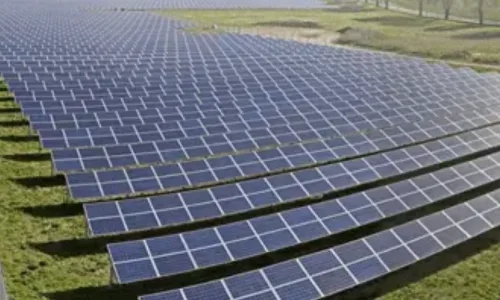
Synergy Solar, specialized in high-efficiency solar energy systems across India. If you’re planning to invest in a 500 kW solar power plant, it’s one of the most scalable and profitable clean energy solutions Nowadays
A 500 kW solar energy system can power 200–250 urban homes or supply consistent electricity for industrial, commercial, or agricultural needs. It’s ideal for businesses looking to reduce electricity costs, adopt sustainability, or secure long-term returns through solar investments.

Why Choose a 500 kW Solar Plant Investment?
Whether you’re setting up a 500 kW rooftop solar plant for your factory or planning a 500 kW captive solar power project, here’s who benefits the most:
Industrial Units & Factories: Reduce operational costs and dependency on the grid.
Commercial Establishments: Secure fixed electricity costs for 25+ years.
Investors & Entrepreneurs: Earn through Power Purchase Agreements (PPAs).
Farms & Institutions: Utilize idle land for energy generation and income.
Eco-conscious Companies: Reduce carbon footprint and improve ESG ratings
Benefits of a 500 kW Solar Farm
Strong ROI: Earn ₹6.5 – ₹8 crore in lifetime revenue over 25 years.
Daily Output: Generates 2,000–2,500 units/day (~9 lakh units/year).
Government Incentives: Avail up to 30% subsidy in select states.
Eco-Friendly: Offsets 700–800 tons of CO₂ annually.
Low Maintenance: Minimal servicing; AMC options available.
PPA Options: Sell surplus energy to DISCOMs or private buyers.
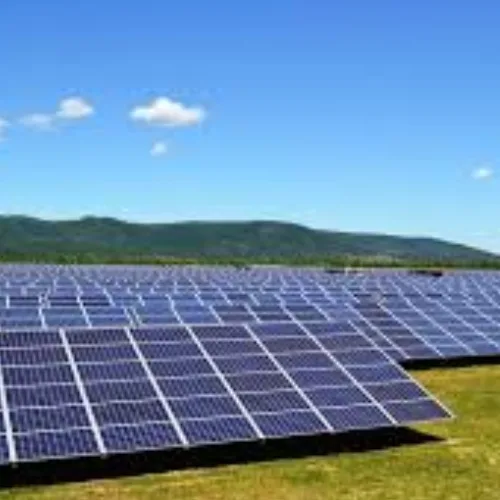
500kw Solar Power Plant Cost
The cost of a 500 kW solar plant depends on system configuration:
System Type | Estimated Cost | Best For |
| On-Grid | ₹2.1 – ₹2.8 crore | Investors with reliable grid power & Gross Metering / PPA |
| Off-Grid | ₹2.8 – ₹3.5 crore | Areas with frequent power cuts & no grid support |
| Hybrid | ₹3.2 – ₹3.9 crore | Businesses needing both grid & battery backup |
With government subsidies, the net cost reduces significantly, making solar farms more affordable for investors.
Technical Specifications of a 500 kW Solar Farm
| Specification | Details |
| System Size | 500 kW |
| Solar Panels | 1,100–1,300 modules (400–450 W each) |
| Inverter | 500 kW Grid-tie / Hybrid |
| Daily Output | 2,000–2,500 units |
| Annual Output | 7.2–9 lakh units |
| Land Area | 2.5–3 acres |
| Lifespan | 25+ years (panels) |
Energy Generation of a 500 kiloWatt Solar Farm
A properly engineered 500 kWp solar plant (also called a 500 kilowatt solar power system) typically generates:
- Daily Output: 2,000 – 2,500 units (kWh)
- Monthly Output: 60,000 – 75,000 units
- Annual Output: 7,20,000 – 9,00,000 units
Actual generation depends on location, shadow-free design, panel efficiency, inverter sizing, and cleaning/O&M quality. A well-maintained 500 kW solar PV plant generally performs consistently for 25+ years.
How Much Profit Can a 500 kW Solar Power Plant Generate?
Estimating profit for a 500 kW (0.5 MW) solar power plant involves considering revenue from energy sales and savings from self-consumption.
| Metric | Estimated Value |
| Annual Generation | 7.5 – 9 lakh units |
| Average Tariff | ₹7 – ₹8 per unit |
| Annual Income/Savings | ₹52 – ₹70 lakh |
| Net Investment (after subsidy) | ₹2 – ₹2.5 crore |
| Payback Period | 4 – 5 years |
| ROI Over 25 Years | 6× to 8× Return |
Factors Affecting 500 kW Solar Plant Cost
System type:
On-grid vs hybrid vs with battery backup (storage increases cost).
Rooftop or ground installation
• Rooftop: may need roof strength check and extra safety work
• Ground: may need land leveling, fencing, and foundations
Quality of panels and inverter:
Better brands cost more but give higher performance, fewer issues, and longer life.
Electrical work and grid connection:
Cost changes based on transformer size, cable length, and how far the grid connection point is.
Government rules and approvals:
DISCOM approvals, metering rules, and state policies can affect both time and total cost.
Site conditions and civil work:
Rocky soil, uneven land, waterlogging, or shading can increase installation work and cost.
Use Cases for a 500 kW Solar Plant
Commercial Buildings & Warehouses
Industrial Plants
Commercial Buildings & Warehouses
Agro-based Businesses & Cold Storage
Looking for a 500 kW rooftop solar system for your factory? We can design both rooftop and ground-mounted systems based on your space and load profile.
Enquire now to receive a professional Solar Energy Feasibility Report and complete Solar Energy Project Viability Study designed for real-world performance and approvals.

Installation Process of a 500 kW Solar Farm
- Site Survey – Land feasibility, soil testing, and shadow analysis
- Design & Engineering – Plant layout, electrical design, and approvals
- Government Approvals – DISCOM, subsidy, and Gross Metering/PPA applications
- Installation – Mounting panels, wiring, inverter setup, transformers
- Testing & Commissioning – Final performance checks
- O&M (Operation & Maintenance) – Regular cleaning and service
Why Choose Synergy Solar for Your 500 kW Solar Farm?
Site-specific design-Layout and sizing based on your roof/land space, load pattern, and shadow analysis.
End-to-end solutions – land survey, design, installation, subsidy support
Proven expertise in large-scale solar farm projects
Transparent pricing & AMC service for long-term reliability
Quality components only- Reliable panels, inverters, and mounting structures with standard warranties for long life.
Safety-first installation- Proper earthing, lightning protection, cable management, and industry-standard safety practices.
FAQs on 500 kW Solar Farm in India
How much land is required for a 500 kW solar power system?
For ground-mounted, approx. 2.5–3 acres. Rooftop options are available for factories.
What is the cost of a 500 kW solar farm in India?
₹2.5 – ₹3.5 crore depending on system type and subsidy.
How much electricity does a 500 kW solar plant generate daily?
Around 2,000–2,500 units (kWh).
What is the payback period for a 500 kW solar farm?
4–5 years, with 20+ years of free electricity after that.
What's the difference between 500 kW and 500 kWh systems?
500 kW refers to generation capacity; 500 kWh refers to battery storage size.
How can I start a 500 kW solar power plant for selling electricity? What is the investment?
To sell electricity from a 500 kW project, you typically choose one of these routes:
• PPA (Power Purchase Agreement) with DISCOM or a private buyer
• Gross metering (where allowed)
• Open access/third-party sale (state rules apply)
Estimated investment:
• On-grid: ₹2.1 – ₹2.8 crore (approx.)
• Hybrid (with backup): ₹3.2 – ₹3.9 crore (approx.)
The exact investment depends on land, grid connectivity, approvals, transformer/evacuation scope, and equipment selection.
I have 2.5 acres plain land. What is the estimated cost to set up a 500 kW solar plant?
Yes, 2.5 acres is generally sufficient for a 500 kW ground-mounted solar plant (if it’s shadow-free and properly leveled).
Estimated project cost: ₹2.1 – ₹2.8 crore for an on-grid ground-mounted plant.
Cost may increase if you need:
• longer HT/LT cable runs,
• additional civil work (leveling, foundations, fencing),
• transformer upgrades or bay extension,
• extra approvals or DISCOM requirements.
How many solar panels are required for a 500 kW plant?
A 500 kW (500 kWp) solar setup usually needs around 1,100 to 1,300 panels, depending on panel wattage:
• 450W panels: ~1,110 panels
• 400W panels: ~1,250 panels
Final count depends on design, inverter sizing (DC/AC ratio), and available space.