
Solar Power System for 5 KW
Power Your Future with a 5kW Solar System – Generate Clean Energy and Cut Electricity Bills.
Looking for a reliable way to reduce your electricity bills and embrace clean energy? A 5 kW solar panel system is ideal for residential homes, small businesses, or commercial setups. It generates sufficient power to meet daily electricity needs, is cost-effective, and helps you contribute to a greener planet. With rising electricity costs and government incentives for solar adoption, a 5 kW system offers a perfect balance of power output, return on investment (ROI), and space requirements.
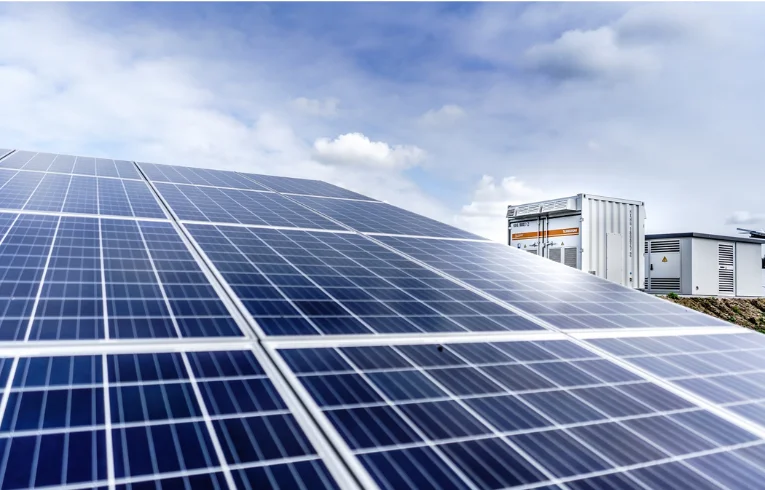
A 5 kW solar power system is a photovoltaic (PV) setup that can produce around 18–22 kWh of electricity per day, depending on sunlight availability.
The system consists of:
- Solar PV panels – convert sunlight into electricity.
- Grid-tie inverter – converts DC electricity from panels into AC for home use.
- Mounting structures – secure panels on rooftops or ground.
- Cabling, connectors, and safety devices – ensure proper electricity flow and protection.
This system can be on-grid, off-grid, or hybrid, allowing flexibility depending on your electricity needs and backup requirements.
Types of 5 Kilo Watt Solar Power Systems
When installing a 5 kW solar system, you have three main options:
On-Grid (Grid-Tied) Solar System
- Connected directly to the electricity grid.
- Excess power can be exported via net-metering.
- Ideal for areas with reliable grid electricity.
Off-Grid Solar System
- Independent from the grid; requires batteries for storage.
- Best for remote areas with no grid access.
Hybrid Solar System
- Combines on-grid and off-grid features.
- Stores excess power in batteries for night or power cuts.
Power Output & ROI of 5 KW Solar System
A 5 kW solar system can produce:
- 18–22 kWh per day on average.
- Around 540–660 kWh per month, depending on location and sunlight.
ROI & savings:
- Average payback period: 3–5 years.
- Reduction in monthly electricity bills: up to 80%.
- Additional benefits via government subsidies and net-metering.
With proper installation and maintenance, a 5 kW system can last 25+ years, delivering long-term savings.
Area Required for 3000 watt Solar PV System
A 5 kW solar panel system requires roughly 25–35 square meters of rooftop or ground area.
- Panels are typically 335–400 W each, so 12–15 panels are needed.
- Panels should be south-facing with a tilt angle optimized for your location to maximize energy generation.
Benefits of Installing a 5000Watt solar Power Plant system
Installing a 5 kW solar system offers multiple advantages:
Lower electricity bills – generate your own clean energy.
Environmentally friendly – reduce carbon footprint.
Reliable power supply – especially with hybrid systems and battery storage.
Government incentives & subsidies – reduce upfront costs.
Increase property value – homes with solar are more attractive.
- Technical Specifications of 5 kilowatt Solar Energy System
- Installation Process for Solar Panels for 5 Kw System
Component | Specification / Details |
Solar Panels | Mono/Polycrystalline, 335–400 W each, 12–15 panels |
Inverter | 5 kW grid-tie, MPPT functionality, 95–98% efficiency |
Mounting Structure | Aluminum or steel, corrosion-resistant, suitable for roof/ground |
Cabling | DC & AC cables, proper insulation, MC4 connectors |
Protection Devices | DC/AC fuses, MCBs, surge protection, earthing system |
Expected Output | 18–22 kWh/day, 540–660 kWh/month |
Lifespan | Panels: 25 years, Inverter: 10–12 years |
Warranty | 5–10 years for panels, 5 years for inverter |
A proper single-line diagram shows the PV panels connected to the inverter, which feeds electricity to your home and the grid through the AC distribution board.
1. Site Survey & Assessment – Analyze rooftop space, shading, and sunlight availability.
2. Mounting Structure Installation – Fix panels securely on roof or ground.
3. Panel Placement & Wiring – Connect panels in series/parallel as per system design.
4. Inverter & Electrical Connections – Connect DC to inverter, inverter output to ACDB and grid.
5. Safety Checks & Commissioning – Test voltage, current, earthing, and surge protection.
6. Net-Metering Activation – Coordinate with your DISCOM for grid connection.
Why Choose Synergy Solar?
Experience & Expertise
Skilled technicians and engineers ensure safe, efficient installations.
High-Quality Components
Premium solar panels, inverters, and mounting systems.
Warranty & Support
5–25 years coverage depending on component.
Tailored Solutions
Custom designs to maximize energy production for your property.
Customer Satisfaction
Trusted by homeowners and businesses across India.
End-to-End Support
After-sales service, system monitoring & annual maintenance.
100+ Installations
Trusted by residential, commercial & industrial clients.
FAQs About 5 kW Solar Systems
1. How many solar panels do I need for a 5 kW solar system?
A 5 kW solar system typically requires 12–15 solar panels, depending on the wattage of each panel. For example:
• 335 W panels → ~15 panels
• 400 W panels → ~12–13 panels
The exact number depends on the panel efficiency and available roof area. You’ll need approximately 25–35 square meters of rooftop space for proper installation. Proper spacing and orientation are important to maximize sunlight exposure and energy generation.
2. How much electricity does a 5 kW solar system produce per month?
A 5 kW solar system can generate around 540–660 kWh per month, depending on sunlight hours, panel efficiency, and location.
• In cities with good sunlight, like Chennai or Bangalore, daily production can reach 18–22 kWh/day.
• This output can significantly reduce your electricity bills and sometimes even allow you to earn credits through net-metering if your system is grid-connected.
3. Will a 5 kW solar system run my home appliances?
Yes, a 5 kW system can power most household appliances, including:
• 2–3 air conditioners (1.5–2 ton each)
• Lights, fans, and TVs
• Fridge, washing machine, and other standard home appliances
Note: Continuous use of high-power appliances simultaneously may require battery backup if the system is off-grid or hybrid. On-grid systems will supplement with electricity from the grid when needed.
4. What is the difference between string inverters and microinverters for a 5 kW system?
• String Inverters: One central inverter manages the entire system. It’s cost-effective and ideal for rooftops with uniform sunlight exposure.
• Microinverters: Installed on each panel, allowing panels to work independently. Useful if your roof has shading issues or panels face different directions.
Summary: String inverters are more economical, while microinverters offer higher efficiency in shaded or complex rooftops.
5. Can I install a 5 kW solar system myself?
Technically, DIY installation is possible, especially with solar kits. However, professional installation is strongly recommended because:
• Proper wiring, grounding, and safety standards are required.
• Grid-tied systems must comply with DISCOM regulations for net-metering.
• Warranty for panels or inverters may be void if installed incorrectly.
Hiring experts ensures safety, performance, and compliance.
6. Will solar panels work during cloudy or rainy days?
Yes, solar panels still generate electricity on cloudy or rainy days, but output is reduced:
• Typically 10–25% of normal output depending on sunlight availability.
• Solar panels rely on daylight, not just direct sunlight, so they continue producing some power.
For consistent power supply during low sunlight days, battery backup or grid connection is recommended.
7. Do solar panels produce electricity at night?
No. Solar panels cannot generate electricity at night because they rely on sunlight.
To use solar power at night:
• Grid-tied systems: Draw electricity from the utility grid.
• Hybrid/off-grid systems: Store excess energy in batteries during the day for nighttime use.
8. Is there any government subsidy for a 5 kW solar system?
No, MNRE subsidies in India are only available for rooftop systems up to 3 kW.
For 5 kW systems:
• You can still benefit from net-metering, exporting excess electricity to the grid to reduce bills.
• Some states may offer additional incentives or soft loans, but the standard subsidy does not apply.
• For budget planning, some homeowners start with 3 kW to get subsidy and later expand to 5 kW, though the extra 2 kW won’t get financial support.