
Direct Solar Dryer
Harness Solar Energy for Efficient Drying Solutions

In today’s sustainability-focused world, the Direct Solar Dryer is an efficient solution for drying agricultural and food products using natural solar energy. It helps reduce moisture content in fruits, vegetables, spices, herbs, and other produce while lowering dependence on electricity or fossil fuels. By improving drying hygiene, reducing spoilage, and supporting better product quality, Direct Solar Dryers have become a practical choice for farmers, food processors, and small agro-industries.
Companies like Synergy Solar support farmers and agribusinesses with Direct Solar Dryer solutions designed to reduce post-harvest losses, improve drying efficiency, and lower operating costs through renewable energy technology.
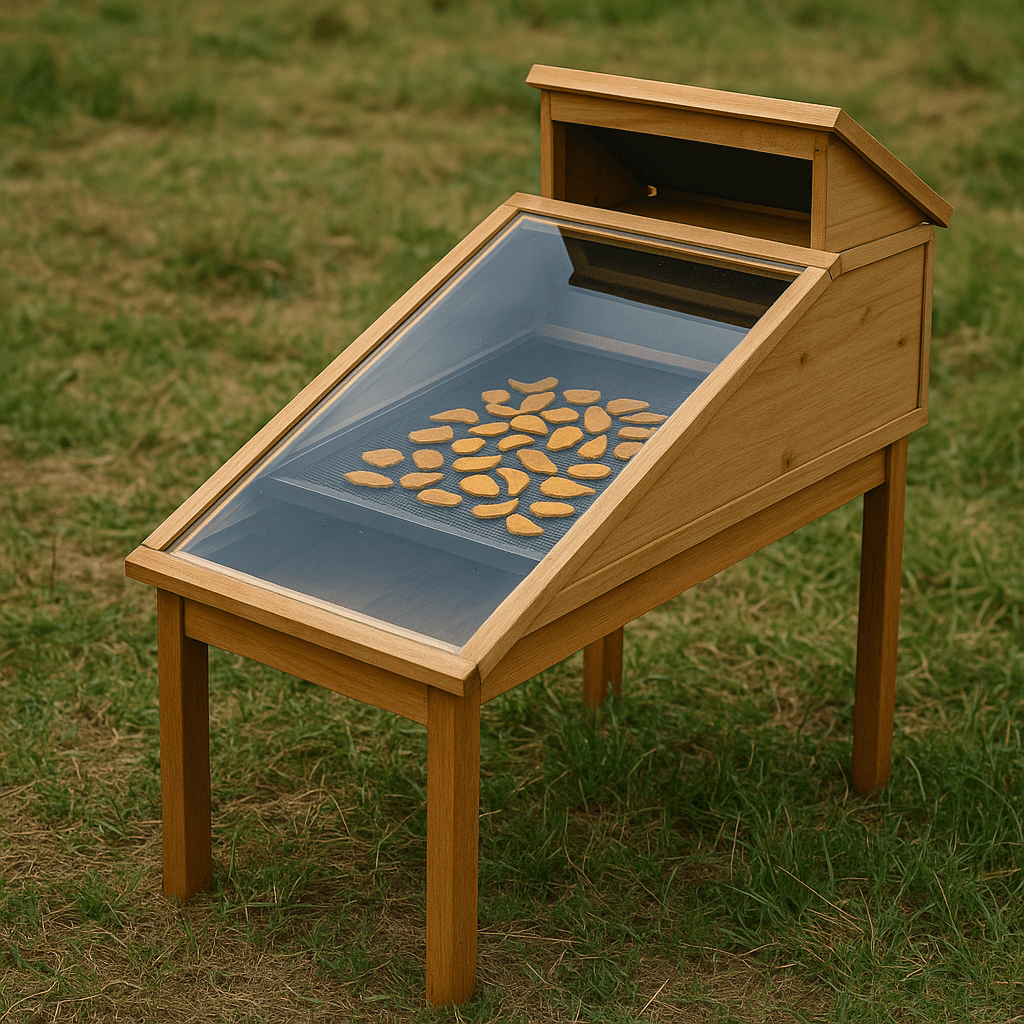
What is a Direct Solar Dryer?
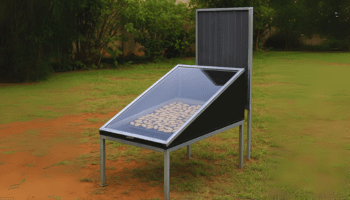
A Direct Solar Dryer is a drying system in which the product is placed inside an enclosed chamber covered with a transparent material such as glass, polycarbonate, or UV-stabilized plastic. Sunlight enters the chamber directly, heats the product and the surrounding air, and helps evaporate moisture from the material being dried. Compared with open sun drying, this method offers better hygiene, faster drying, improved product protection, and lower contamination risk.
With over 15 years of experience in renewable energy solutions, we have witnessed firsthand the transformative impact of Direct Solar Dryers on agricultural practices. Our team has collaborated with numerous farmers who have successfully integrated solar drying into their operations, resulting in higher quality produce and reduced spoilage. For example, one farmer reported a 30% increase in shelf life and a significant reduction in food waste after implementing our solar drying technology, demonstrating the practical benefits of this approach.
How Does a Solar Dryer Work?
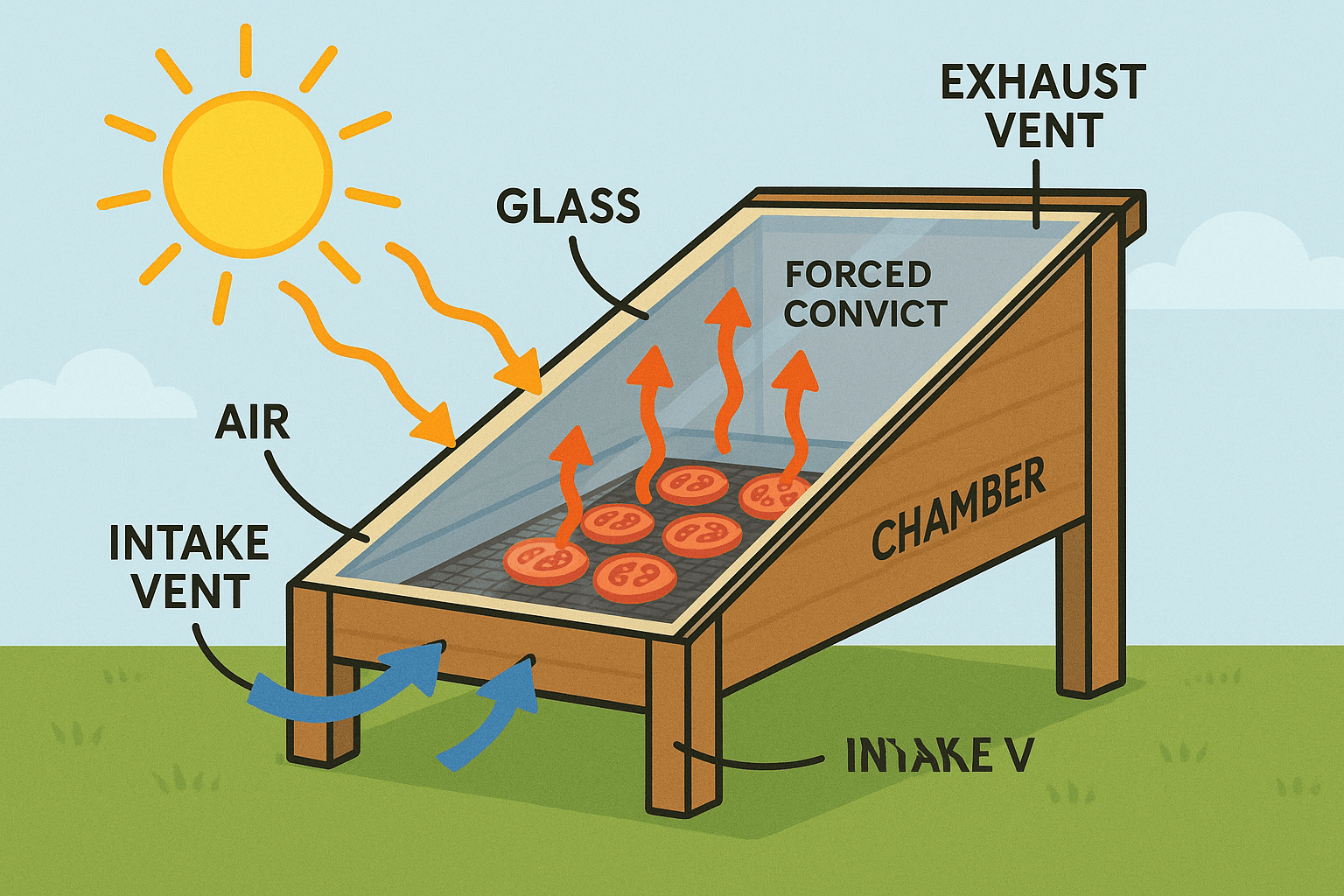
1. Sunlight Enters the Drying Chamber
The transparent cover allows solar radiation to enter the enclosure and fall directly on the product placed on trays.
2. Heat Builds Up Inside the Chamber
The enclosed structure traps heat and creates a greenhouse effect, raising the air temperature inside the dryer above ambient conditions.
3. Moisture Evaporates from the Product
As the product warms up, moisture begins to evaporate from its surface, reducing its water content gradually.
4. Moist Air Leaves Through Vents
Fresh air enters from lower vents, while warm humid air exits through upper vents by natural convection or with the help of a fan in some designs.
5. Drying Continues Until Safe Moisture Level Is Reached
The process continues until the crop reaches the desired moisture content for storage, transport, or processing.
Proper solar drying can help preserve color, aroma, and nutritional quality better than uncontrolled open sun drying when temperature and airflow are managed effectively. Because the product is dried in a protected and warmer enclosure, the drying process is often much faster than traditional open sun drying. In many cases, if open sun drying takes around 10 days, a Direct Solar Dryer may reduce the drying time to about 5 to 6 days, depending on the crop type, slice thickness, sunlight intensity, humidity, and airflow conditions.
Applications of Direct Solar Dryers
Agriculture
Direct Solar Dryers are widely used in agriculture for post-harvest drying of fruits, vegetables, spices, seeds, and herbs. They help reduce spoilage, improve storage life, and protect produce from dust, insects, and sudden weather changes.
Food Processing
Food processors use Direct Solar Dryers to prepare hygienically dried products with improved appearance, shelf life, and market value. This is especially useful for dried fruits, chilli, turmeric, onion, garlic, leafy products, and herbal materials.
Research and Development
Research centers, agricultural universities, NGOs, and training institutions use Direct Solar Dryers for pilot projects, rural development programs, food preservation studies, and renewable energy demonstrations.
Technical Specifications of Direct Solar Dryer
| Parameter | Typical Specification |
|---|---|
| Drying Temperature Range | 40°C – 70°C depending on sunlight |
| Drying Capacity | 5 kg – 500 kg per batch (based on model size) |
| Tray Material | Stainless Steel 304 Food Grade |
| Tray Size | Custom sizes available for different capacities |
| Cover Material | UV-stabilized polycarbonate or transparent sheet |
| Air Circulation | Natural convection or optional fan assisted |
| Ventilation | Adjustable vents for moisture removal |
| Structure Material | Galvanized steel / powder coated frame |
| Power Requirement | Optional for fan or hybrid systems |
| Suitable Products | Fruits, vegetables, spices, herbs, grains, fish |
Types of Direct Solar Dryers
| Dryer Type | Description | Common Applications | Best Suited For |
| Solar Cabinet Dryer | Compact box-type enclosed dryer with transparent cover | Herbs, spices, chillies, small fruit batches | Home users, small farms |
| Tray Direct Solar Dryer | Enclosed tray-based system for uniform small to medium batch drying | Vegetables, sliced fruits, medicinal plants | Small agro units, farm processors |
| Tunnel Direct Solar Dryer | Long transparent tunnel design for higher capacity drying | Mango, banana, tomato, onion, leafy produce | Medium farms, cooperatives, food units |
Benefits of Using Direct Solar Dryers
Eco-Friendly and Sustainable
By utilizing renewable energy sources, Direct Solar Dryers reduce reliance on fossil fuels and contribute to lower greenhouse gas emissions. This aligns with global sustainability goals and promotes responsible farming practices.
Cost-Effective
After installation, Direct Solar Dryers help reduce conventional energy use and operating costs. They require relatively low maintenance and can offer good long-term value, especially in sunny regions.
Nutrient Preservation
Solar drying often results in better preservation of nutrients and flavors compared to other methods, making it ideal for maintaining food quality. Controlled solar drying can help maintain product quality, including color, aroma, and important nutrients, better than uncontrolled traditional drying methods.
Versatility
Direct Solar Dryers can be used for a variety of applications, including herbs, fruits, vegetables, and even fish or meat, catering to diverse drying needs. This versatility makes them suitable for both small-scale home use and large-scale commercial operations.
Scalability
Subsidy Support for Direct Solar Dryer
To make solar drying solutions more affordable for farmers, food processors, and rural entrepreneurs, subsidy support may be available under applicable government or institutional programs, depending on the project type, capacity, and location. The Agricultural Engineering Department has published subsidy support for solar drying units, with benefits ranging from 40% to 50% on the current scheme page, while earlier departmental scheme documents showed support up to 60% for eligible categories. This can help reduce the initial investment cost and encourage the adoption of renewable drying technology for agricultural and food-processing applications.
At Synergy Solar, we not only supply and install Direct Solar Dryers but also support customers with subsidy-related guidance wherever applicable. Our team helps in preparing the basic technical details, system specifications, quotations, and project-related documents required during the subsidy application process.
Why Choose Us?
Customized solar dryer solutions for different industries
Complete installation & commissioning
Training & after-sales service
Subsidy application support
Solar Dryer FAQs
How long does it take to dry products using a Direct Solar Dryer?
The drying time varies based on several factors, including the type of product, initial moisture content, ambient temperature, and humidity levels. Generally, fruits can take anywhere from 6 to 12 hours, while vegetables may take longer. Optimal conditions can significantly reduce drying times.
Can Direct Solar Dryers be used in cloudy weather?
Yes, while Direct Solar Dryers are most effective in sunny conditions, they can still operate during cloudy weather, although drying times may increase. Some designs allow for supplemental heating to enhance performance on overcast days, ensuring consistent results.
What maintenance is required for a Direct Solar Dryer?
Maintenance is minimal but essential. Regular cleaning of the solar collectors to remove dust and debris is necessary for optimal performance. Additionally, checking and repairing any wear and tear in the drying chamber ensures longevity and efficiency, prolonging the life of your investment.
Are Direct Solar Dryers safe for food products?
Absolutely! Direct Solar Dryers are designed to meet safety standards for food drying, providing a clean, hygienic environment free from contaminants, ensuring that dried products are safe for consumption. Our products are certified by relevant food safety authorities, including the USDA, reinforcing their reliability.
What is the cost of a Direct Solar Dryer?
The cost of a Direct Solar Dryer varies based on size, design, and features. Investing in a quality solar dryer can lead to significant long-term savings and benefits, making it a worthwhile addition to your operations.