
Hybrid Solar Dryers
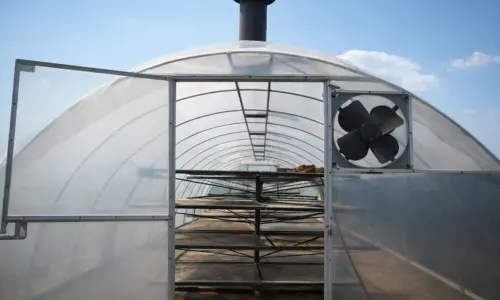
Hybrid solar dryers are advanced drying systems that use solar energy as the primary heat source along with a supplementary heating source such as electricity, biomass, or other backup heat systems. They provide faster, cleaner, and more reliable drying for agricultural, food processing, and industrial applications.
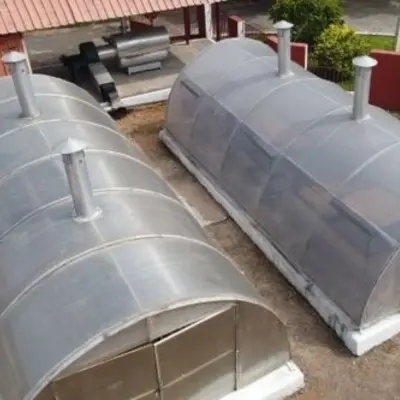
What is a Hybrid Solar Dryer?
What is a Hybrid Solar Dryer?
A hybrid solar dryer is an advanced drying system that uses solar energy together with a supplementary heat source such as an electric heater, biomass heater, or thermal backup system. It is designed to provide continuous and controlled drying even when sunlight is low or unavailable. This dual approach ensures efficient drying regardless of weather conditions. During sunny hours, the dryer mainly works on solar heat. When sunlight is insufficient, the backup heating source supports the system, helping maintain continuous drying performance throughout the year. Synergy Solar supplies and installs hybrid solar dryers for farmers, food processors, and industrial users, offering dependable systems designed for efficient performance, product quality, and long-term sustainability.
Features and System Highlights of Hybrid Solar Dryer
1. Designed Based on Load Capacity
The hybrid solar dryer is designed according to the required product load capacity. For example, a drying capacity of 5 to 10 tons may require approximately 3000 sq. ft. of drying area, depending on the type of product, moisture content, and drying requirement.
2. Temperature Maintenance with Fan Support
To maintain proper airflow and temperature balance inside the dryer, the system is equipped with:
- 4 AC fans connected to the EB line for continuous airflow support
- 8 DC fans operated through solar power for energy-efficient air circulation during sunlight hours
This combination helps improve drying uniformity and supports efficient moisture removal.
3. Ventilation Support
The dryer includes 4 ventilators to assist in removing humid air from the chamber. Proper ventilation helps maintain airflow movement, reduces excess moisture buildup, and improves the overall drying process.
4. Hot Air Blower for Night-Time Drying
A 5 kW hot air blower connected to the EB line is provided for hybrid operation. This blower generates hot air during night-time or low-sunlight conditions, allowing the drying process to continue even without sunlight. For a 3000 sq. ft. hybrid solar dryer, this backup heating support helps ensure more reliable and continuous drying.
5. UV-Coated Sheet Protection
The structure is covered with a UV-coated sheet, which helps protect the food product from direct harmful exposure while still supporting effective solar heat utilization. This improves product safety and helps maintain better drying conditions.
6. Control Panel with Sensors
The hybrid solar dryer is equipped with a control panel integrated with temperature and humidity sensors. This helps monitor and manage internal drying conditions more accurately, resulting in better process control and improved product quality.
How Hybrid Solar Dryers Work
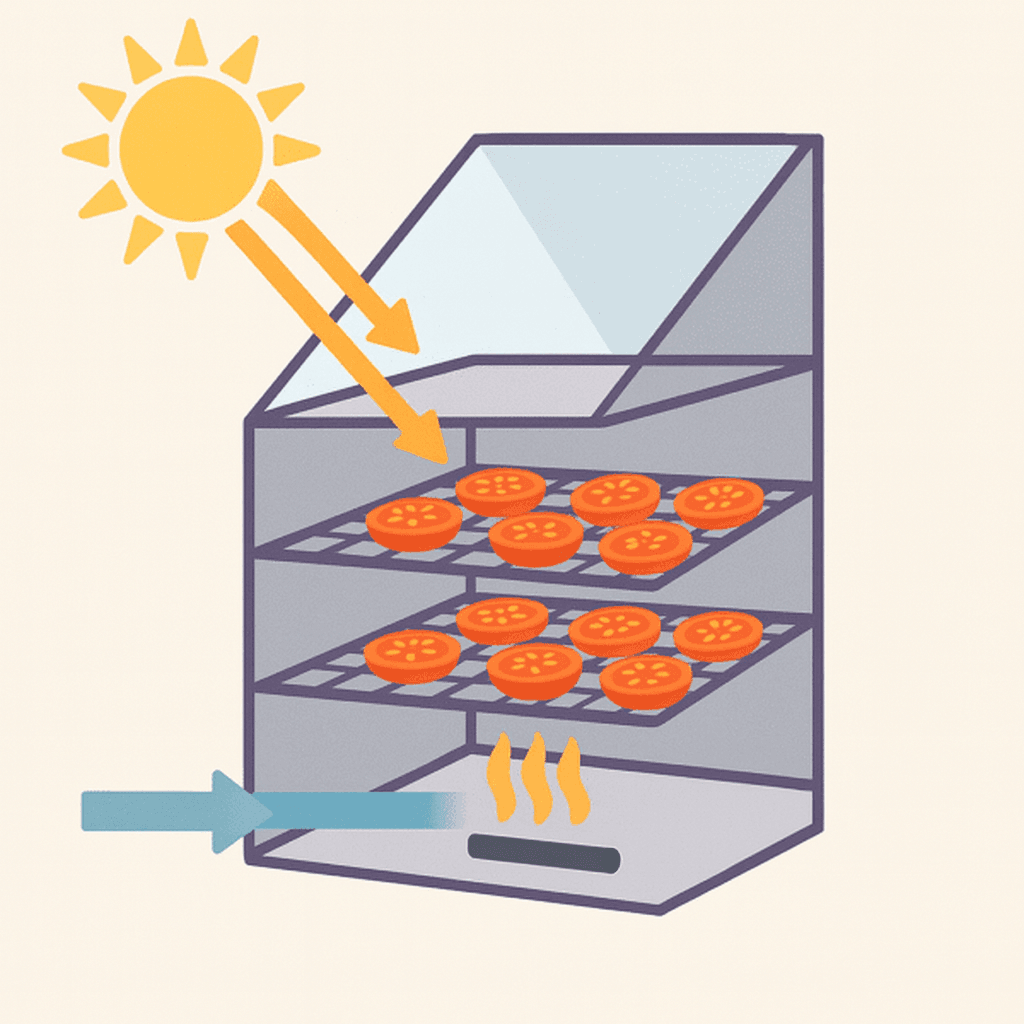
Solar Collection:
The system captures solar energy using high-efficiency panels or collectors, converting sunlight into heat. These panels are designed to maximize energy absorption, even in less-than-ideal weather conditions, ensuring consistent performance.
Heat Distribution
Collected heat is evenly distributed throughout the drying chamber, facilitating moisture evaporation. This uniform heat distribution is crucial for achieving consistent drying results, which is essential for maintaining product quality.
Supplemental Heating
When solar energy is inadequate, an alternative heat source activates, ensuring uninterrupted operation. This feature is particularly beneficial during rainy seasons or in regions with fluctuating sunlight, providing peace of mind to users.
Moisture Control
Integrated sensors continuously monitor humidity levels, adjusting heater operation to maintain optimal drying conditions. This smart technology enhances efficiency and protects the quality of the products being dried, leading to superior outcomes compared to traditional methods.
Applications of Hybrid Solar Dryers
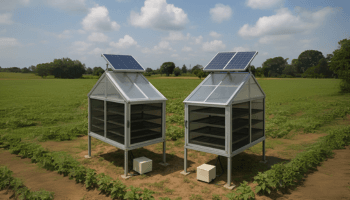
Agricultural Products
Farmers can efficiently dry fruits, vegetables, and herbs, leading to extended shelf life and reduced wastage. For example, a farmer using a hybrid solar dryer reported a 30% increase in the marketability of their dried produce, demonstrating the financial benefits of this technology. Synergy Solar’s installations in farming communities have consistently shown similar results, reducing losses and increasing profitability.
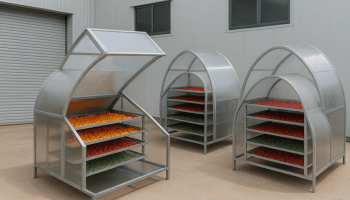
Food Processing
Food processors utilize hybrid solar dryers to maintain the nutritional values of products, catering to quality-conscious consumers. This technology supports compliance with stringent food safety regulations, ensuring that products meet industry standards.
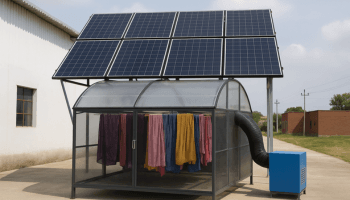
Textile Industry
Textiles require specific drying conditions to prevent damage. Hybrid solar dryers provide necessary control over humidity and temperature, ensuring high-quality finishes that meet consumer expectations.
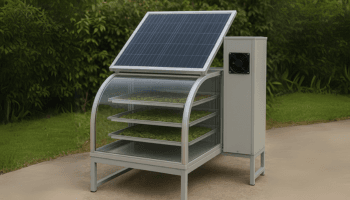
Pharmaceuticals
The pharmaceutical industry benefits from the consistent and controlled drying of herbal products and other materials, ensuring quality and efficacy. This reliability is vital for maintaining product integrity and meeting regulatory requirements.Synergy Solar works with commercial clients to design systems that meet strict industry demands.
Technical Specifications of Hybrid Solar Dryer
| Parameter | Specification |
|---|---|
| Ambient Temperature Range | 5°C to 40°C |
| Maximum Drying Temperature | 50°C to 70°C |
| Temperature Controller Range | 30°C to 80°C |
| Humidity Controller | 0% to 80% |
| Moisture Removal Capacity | 3 to 10 Litres per Hour |
| Heating Capacity | 1 kW to 10 kW |
| Heater Type | Tubular Fin Type |
| Heater Material | Copper |
| Air Circulation | Inner Circulation Fan Provided |
| Power Supply | 230V Single Phase / 440V Three Phase |
| Inner Cabinet Material | Stainless Steel 304 (Food Grade) |
| Outer Cabinet Material | GI Powder Coated |
| Control System | Temperature and Humidity Sensors with Control Panel |
| Backup Heating | Electric Heater / Hot Air Blower for Hybrid Operation |
Choosing the Right Hybrid Solar Dryer
Capacity Needs
Assess your drying requirements by considering the volume of products to be dried. Select a dryer that accommodates your needs without excessive energy consumption. Consulting with an expert can help you determine the best capacity for your operations.
Climate Considerations
Understand your local climate. If you live in an area with prolonged cloudy seasons, a dryer with a robust supplemental heating system may be necessary. Consider local weather patterns when making your selection to ensure optimal performance.
Additional Features
Look for dryers equipped with features such as moisture sensors, adjustable temperature controls, and easy-to-clean designs for enhanced usability and maintenance. These features can significantly improve the user experience and operational efficiency.
Types of Hybrid Solar Dryers
| Dryer Type | Description | Common Applications | Best Suited For |
|---|---|---|---|
| Hybrid Cabinet Solar Dryer | Compact enclosed dryer with solar heating and backup heat support | Herbs, spices, chillies, fruits | Small farms, home users, micro enterprises |
| Hybrid Tray Solar Dryer | Multi-tray drying system with controlled airflow and supplementary heating | Vegetables, fruits, medicinal plants | Farmers, food processors |
| Hybrid Tunnel Solar Dryer | Tunnel-type structure designed for larger batch drying with solar and backup heating | Leafy vegetables, banana, mango, tomato | Medium farms, cooperatives, agro units |
| Hybrid Solar-Biomass Dryer | Solar dryer supported by biomass heating for continuous drying | Grains, spices, agricultural produce | Rural and semi-commercial users |
| Hybrid Solar-Electric Dryer | Solar dryer with electric heater backup for controlled drying | Food products, herbs, specialty products | Commercial and quality-focused operations |
Benefits of Hybrid Solar Dryers
Energy Efficiency
By primarily utilizing solar energy, hybrid solar dryers significantly lower energy costs. Users have reported energy savings of up to 50% compared to traditional drying methods. This efficiency not only reduces operational costs but also aligns with global sustainability goals.
Enhanced Product Quality
These dryers provide controlled drying conditions that help retain the nutritional value, flavor, and color of dried products. For instance, studies by the International Journal of Food Science indicate that fruits dried in hybrid solar dryers maintain higher vitamin content than those dried using conventional methods, making them ideal for health-conscious consumers.
Environmentally Friendly
Reduced reliance on fossil fuels leads to a lower carbon footprint. By utilizing renewable energy, hybrid solar dryers contribute to environmental sustainability and the fight against climate change. They align with global initiatives to promote green technology and reduce greenhouse gas emissions.
Versatility
Hybrid solar dryers are suitable for a wide range of applications, including fruits, vegetables, herbs, grains, and textiles. This versatility makes them ideal for various sectors, from agriculture to manufacturing, allowing businesses to diversify their product offerings.
Cost-Effectiveness
Subsidy Support for Solar Dryers
Subsidy support for solar dryers may be available through the Agricultural Engineering Department, depending on the state, the current scheme, and the beneficiary category. For Tamil Nadu, the current official department page lists 40% to 50% subsidy for small and marginal farmers, and women farmers for installation of solar drying units. Since subsidy structure can vary by scheme and location, applicants should check the latest eligibility and assistance details with the concerned department before applying.
Why Choose Us?
Proven Expertise
Over 1,000 successful installations in agriculture and industry.
Tailored Solutions
Systems customized for your crops, climate, and capacity.
Durability & Food Safety
Built with food-grade, corrosion-resistant, and UV-protected materials.
Complete Support
From design to installation and after-sales service.
Sustainability Mission
We help reduce carbon emissions while boosting profitability.
Hybrid Solar Dryer FAQs
How does a hybrid solar dryer differ from a traditional solar dryer?
Traditional solar dryers rely solely on solar energy, making them highly dependent on weather conditions. In contrast, hybrid solar dryers incorporate additional heating methods, allowing for efficient operation even when sunlight is limited. This makes hybrid dryers more versatile and reliable for year-round use.
What types of products can be dried using a hybrid solar dryer?
Hybrid solar dryers are suitable for a wide range of products, including fruits (like mangoes and bananas), vegetables (such as tomatoes and peppers), herbs, grains, textiles, and some pharmaceutical ingredients. Their versatility makes them ideal for various industries.
Are hybrid solar dryers environmentally friendly?
Yes, hybrid solar dryers are designed to minimize energy consumption and reduce carbon emissions. By utilizing renewable solar energy and limiting reliance on fossil fuels, they contribute positively to environmental sustainability.
What are the cost implications of using a hybrid solar dryer?
While the initial investment can be higher than traditional dryers, the energy savings and enhanced product quality often lead to greater profitability over time. Additionally, government incentives for renewable energy solutions may help offset initial costs.
How do I maintain a hybrid solar dryer?
Regular maintenance includes cleaning the solar panels, checking for blockages in the airflow, inspecting seals, and ensuring that the heating elements are functioning correctly. Adhering to the manufacturer’s guidelines can help prolong the lifespan of the dryer.