
Tunnel and Greenhouse Solar Dryers
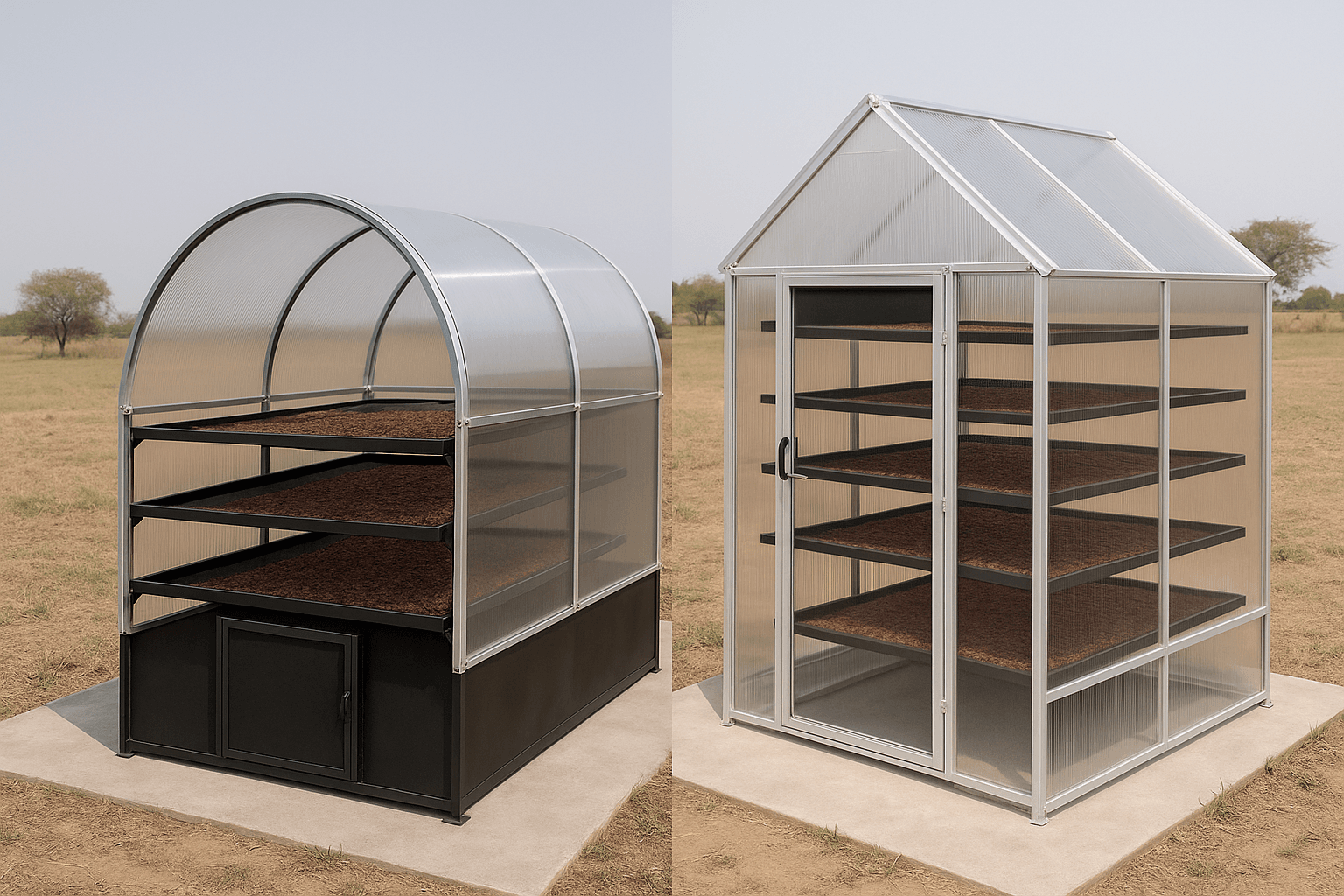
In today’s agricultural landscape, sustainability is key. Farmers are increasingly adopting innovative technologies to improve their operations, and one such solution is the Tunnel and Greenhouse Solar Dryer. This eco-friendly technology harnesses solar energy to dry crops efficiently, preserving their quality and extending shelf life. Synergy Solar, a trusted supplier and installer of solar drying systems, has supported more than 500 farms with tailored tunnel and greenhouse dryer solutions. With over a decade of experience in agricultural technology, we are dedicated to helping farmers navigate the benefits, design, and operation of Tunnel and Greenhouse Solar Dryers. This comprehensive guide addresses common questions to empower you to make informed decisions for your farming needs.
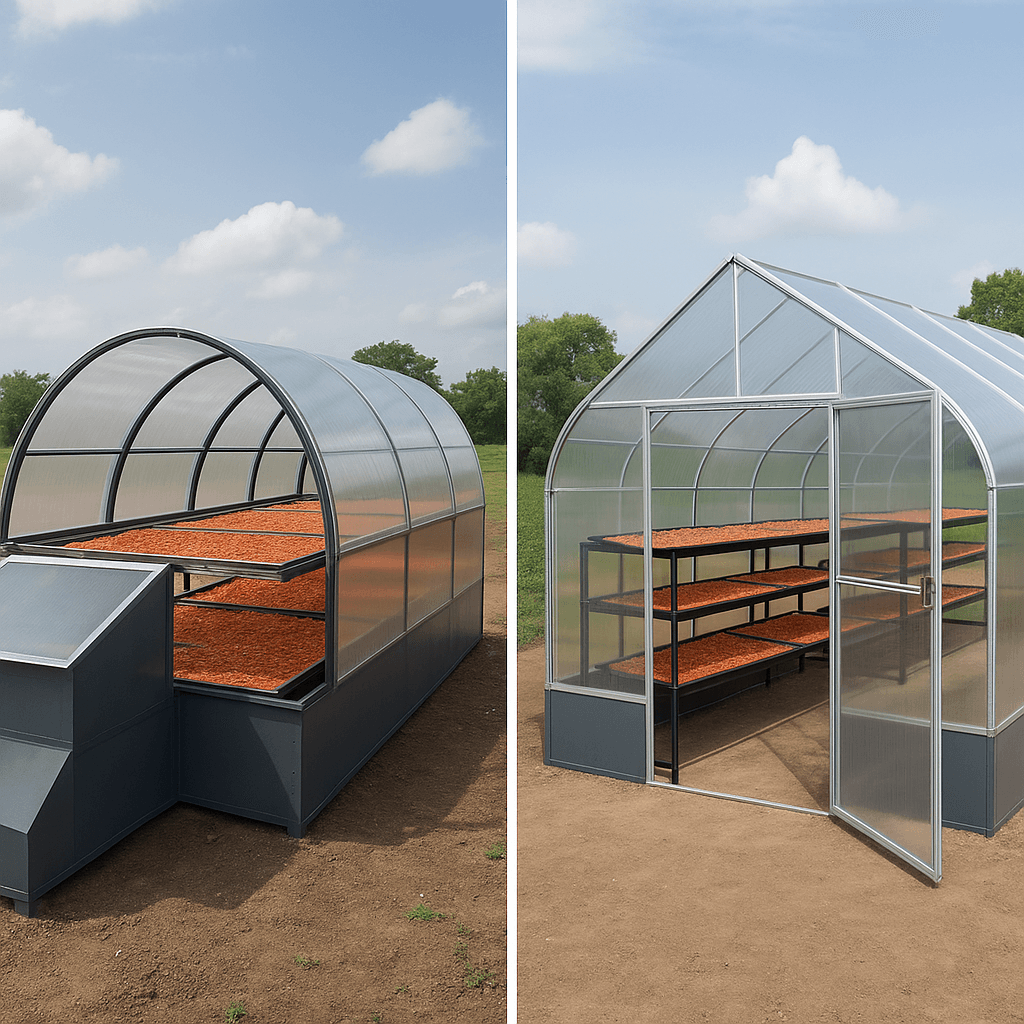
What is a Tunnel and Greenhouse Solar Dryer?
A Tunnel and Greenhouse Solar Dryer is a specialized structure designed to dry agricultural products using solar energy. Unlike traditional drying methods that can be labor-intensive and time-consuming, these dryers offer a cost-effective and efficient solution for farmers focused on preserving their produce while minimizing environmental impact. Our team has successfully implemented solar drying solutions for over 500 farms, demonstrating their effectiveness in diverse agricultural settings.
How Does a Tunnel and Greenhouse Solar Dryer Work?
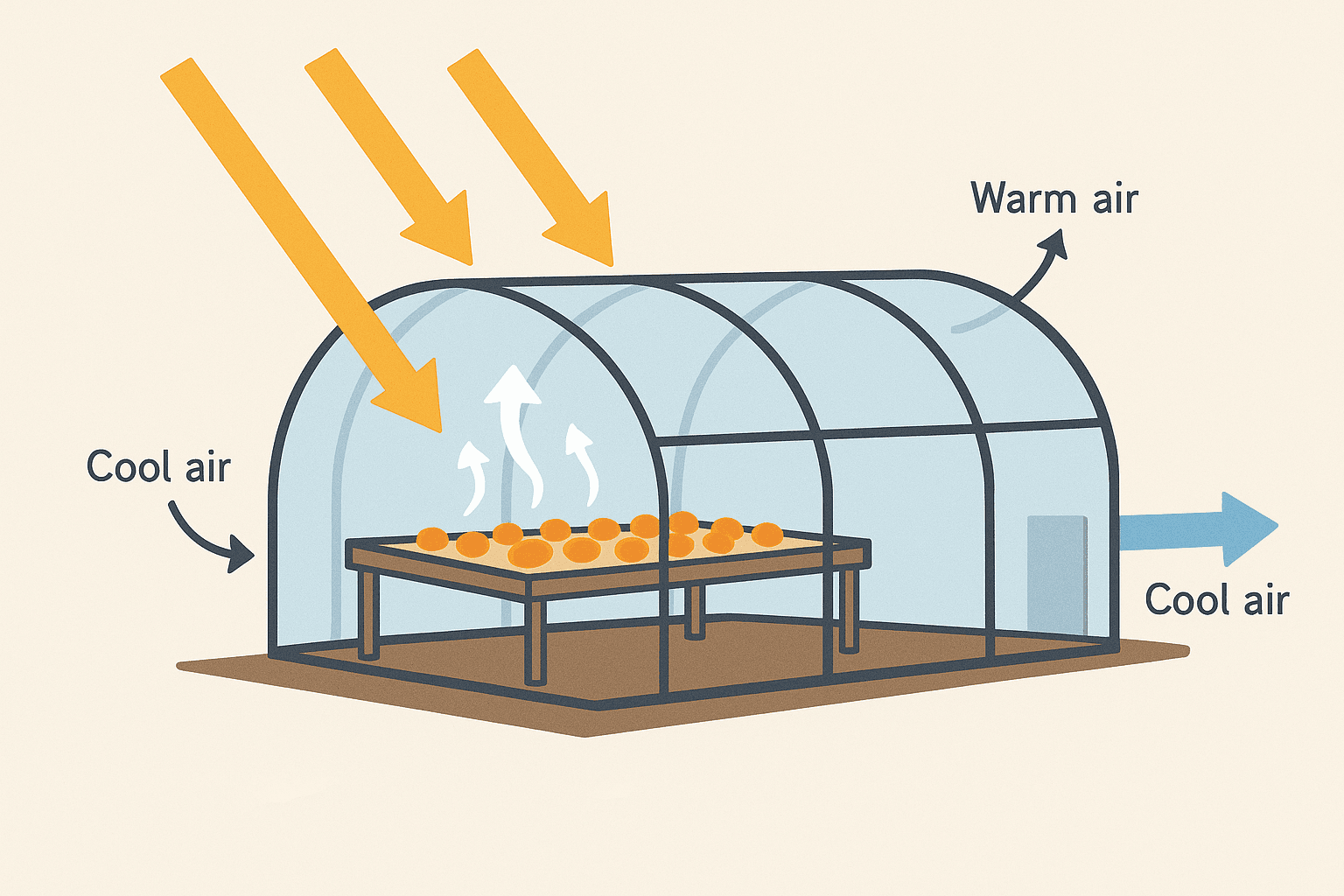
The operation of a Tunnel and Greenhouse Solar Dryer is based on capturing solar radiation to heat the air within the structure. This heated air circulates through the crops, effectively removing moisture. Key components include:
Transparent Roof
Made from UV-resistant polycarbonate, allowing sunlight to penetrate while trapping heat inside for optimal drying conditions.
Ventilation System
Features adjustable vents for controlled air circulation, preventing overheating and ensuring even drying.
Insulation
Insulated walls maintain internal temperatures, maximizing drying efficiency and reducing energy loss, which is crucial for maintaining product quality.
Designing Your Tunnel and Greenhouse Solar Dryer
Operational Best Practices
Location and Orientation
The effectiveness of your Tunnel and Greenhouse Solar Dryer largely depends on its location. Select a site with maximum sunlight exposure and orient the dryer east-west to capture sunlight effectively throughout the day. Consulting local agricultural extension services can provide insights into optimal positioning based on your region, ensuring you maximize solar gain.
Pre-Drying Preparation
Ensure crops are clean and free from contaminants before placing them in the dryer. Pre-cutting larger fruits or vegetables can expedite the drying process. Proper pre-drying preparation can enhance drying efficiency by up to 20%, as evidenced by our extensive field research conducted in collaboration with agricultural universities.
Size and Capacity
Design your dryer according to your production needs. Consider the volume of crops you typically harvest and ensure adequate airflow for efficient drying. Our team of experienced engineers, with backgrounds in agricultural engineering and sustainable design, can assist in customizing designs to fit specific operational scales, ensuring that your investment meets your unique requirements.
Monitoring and Maintenance
Regularly monitor internal temperature and humidity levels with hygrometers and thermometers to ensure optimal drying conditions and prevent spoilage. Implementing a routine maintenance schedule can extend the lifespan of your dryer and improve overall performance, as highlighted in our maintenance guides used by clients.
Material Selection
Choose durable and thermal-efficient materials. UV-resistant polycarbonate or polyethylene films are ideal for the roof, ensuring longevity and optimal sunlight penetration. We recommend sourcing materials that meet industry standards for durability and insulation, providing you with peace of mind in your investment.
Post-Drying Storage
Store dried products in airtight containers to maintain freshness and prevent moisture reabsorption, extending shelf life. We recommend using vacuum-sealed bags for optimal preservation, as this method has been shown to significantly enhance product longevity, supported by our client success stories.
Benefits of Using Tunnel and Greenhouse Solar Dryers
Improved Quality of Dried Products
Tunnel and Greenhouse Solar Dryers help maintain the quality of dried products. By controlling temperature and airflow, these dryers minimize the risk of over-drying, preserving the color, flavor, and nutritional value of your crops. Farmers who have switched to solar drying with Synergy Solar’s systems report up to 30% increases in product quality., as confirmed by independent agricultural studies from the USDA.
Energy Efficiency
Utilizing renewable solar energy significantly reduces reliance on fossil fuels and lowers operational costs. Farmers can save up to 80% on energy bills, depending on usage, while contributing to environmental sustainability. Our clients consistently report reduced energy costs, allowing them to reinvest savings into their operations, a benefit supported by our case studies showcasing energy savings across various farm sizes.
Versatility
These dryers can accommodate a wide range of agricultural products, including fruits, vegetables, herbs, and grains. This versatility makes them an excellent investment for diverse farming operations. We have successfully implemented solar drying solutions across various crop types, demonstrating their adaptability and effectiveness in real-world applications.
Faster Drying Times
With controlled conditions, Tunnel and Greenhouse Solar Dryers can significantly reduce drying times compared to traditional methods. This efficiency allows farmers to process their harvests quickly, minimizing post-harvest losses. Our clients have reported drying times that are 50% shorter than conventional methods, leading to increased throughput and profitability, as evidenced by our detailed performance metrics.
Reduced Risk of Contamination
Why Choose Us?
Proven Installations
500+ successful projects across farms of all sizes.
Custom Engineering
Systems designed to match local conditions and crop volumes.
Durability
Built with UV-resistant, food-grade, and long-lasting materials.
Turnkey Service
Consultation, installation, training, and after-sales support.
Farmer-Focused Mission
Helping reduce post-harvest losses, cut energy bills, and improve profitability with sustainable technology.
Tunnel and Greenhouse Solar Dryer FAQs
What types of crops can I dry using a Tunnel and Greenhouse Solar Dryer?
You can dry a variety of crops, including fruits (mangoes, apples, bananas), vegetables (tomatoes, peppers, onions), herbs (basil, parsley), and grains (rice, corn). The versatility of Tunnel and Greenhouse Solar Dryers makes them suitable for diverse agricultural needs, as confirmed by our extensive client base.
How long does it take to dry crops in a Tunnel and Greenhouse Solar Dryer?
Drying times vary based on crop type, thickness, and moisture content. Typically, fruits may take 6-12 hours, while vegetables can take 8-16 hours. Factors such as temperature, humidity, and airflow also influence drying times, and our team can provide tailored advice based on your specific crops.
Are Tunnel and Greenhouse Solar Dryers expensive to build?
The initial investment for a Tunnel and Greenhouse Solar Dryer can range from a few hundred to several thousand dollars, depending on size and materials. However, long-term savings on energy costs and improved crop quality often justify the investment. Many of our clients have recouped their initial costs within the first year due to increased efficiency and higher market prices for their quality dried products.
Can I use a Tunnel and Greenhouse Solar Dryer in rainy or cloudy weather?
While efficiency decreases during adverse weather, solar dryers can still function effectively. Some designs incorporate auxiliary heating systems to maintain optimal drying conditions, ensuring you can continue operations regardless of weather.
How do I maintain my Tunnel and Greenhouse Solar Dryer?
Regular maintenance includes cleaning the roof for maximum sunlight penetration, checking for leaks or damages, and inspecting the ventilation system for proper airflow. Routine checks can prolong the life of your dryer and enhance efficiency, as demonstrated in our maintenance best practices shared with clients.