
Solar Farm Wind Fence
In large-scale solar fields, wind and airborne dust can significantly impact energy production. A properly engineered windfence for solar farms acts as a critical barrier—reducing wind speeds, minimizing soiling losses, and extending the life of solar panels and equipment.
Our dust/wind fencing for solar fields is designed to address site-specific challenges, whether you’re dealing with high winds, shifting sand, or dust storms that degrade performance.
• Engineered for performance in utility-scale solar power plants
• Optimized for high-wind, arid, and semi-arid regions
• Field-proven to reduce cleaning costs and improve energy output
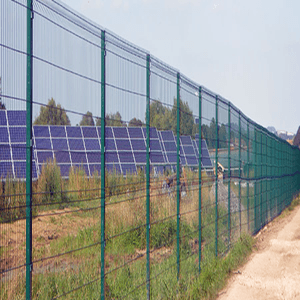
Why Wind Protection Matters in Solar Installations
Solar farms located in windy or dusty environments face the following challenges:
- Dust accumulation on panels reduces light absorption, cutting output by up to 30%.
- Wind-blown sand can scratch panel surfaces and damage racking systems.
- Frequent cleaning increases O&M costs and water use.
- Storm gusts may cause structural stress or damage to exposed installations.
A wind protection fence for solar farms mitigates these issues by creating a micro-climate around the array, lowering wind velocity, and intercepting airborne particles before they reach critical components.
Types of Wind fences for Solar Applications
We offer a wide range of wind fencing for solar farms, tailored for varying site conditions and project needs. These include both net-type and sheet-type wind barriers, designed to block wind, reduce turbulence, and control dust effectively.
| Fence Type | Description | Common Materials | Best Use Case |
| Permeable Net Fence | Mesh-style barrier that slows wind speed and reduces dust transport without causing turbulence | HDPE mesh, UV-stabilized polyethylene, galvanized mesh | Sites with moderate winds and fine dust |
| Sheet-Type Wind Fence (Windbreaking Wall) | Solid or perforated metal sheets for high wind and sand protection | Steel plate, galvanized plate, color-coated sheet, stainless steel sheet, nickel-plated bright sheet | High-wind, high-dust zones like deserts or coasts |
| Modular Composite Panels | Eco-friendly, lightweight, and easy to scale | Recycled plastics or composites | Temporary or mobile solar arrays |
Each fence type can be engineered with appropriate porosity, height, and anchoring system based on wind direction, solar array layout, and dust source zones.
How to Control Dust in a Solar Plant
Dust mitigation is crucial in areas prone to arid conditions or seasonal winds. Here’s how solar farms can effectively manage airborne debris:
Install Wind Barriers
A wind barrier for solar panels slows down airflow and reduces dust uplift and transport. Our dust control windfence for solar farms is made from UV-resistant, semi-permeable mesh—ideal for long-term use in harsh environments.
Ground Stabilization
Using gravel, vegetation, or soil-binding agents between rows helps reduce dust generation from ground surfaces
Smart Cleaning Strategy
Windfencing reduces cleaning frequency, saving water and labor. Pair it with robotic cleaners or anti-soiling coatings for a full solution.
Benefits of Windfences for Solar Panel Protection
- Minimized panel soiling = less cleaning
- Reduced wear on tracking and racking systems
- More consistent energy output year-round
- Lower O&M costs and improved asset life
- Sustainability via reduced water usage for cleaning
Installation Considerations for Windfence in Solar Farms
Wind Direction & Site Analysis
- Use wind rose data to determine prevailing wind flow
- Place windfence on windward side or full perimeter if needed
Fence Height & Porosity
- Height: 1.5–3 meters (or 1.2x panel height)
- Porosity: 30–50% for optimal airflow and dust control
Soil Conditions & Anchoring
Use:
- Concrete footings for hard or rocky ground
- Screw piles for firm soil
- Ballast blocks for temporary sites
Material Selection
- Net-type: HDPE mesh, galvanized mesh
- Sheet-type: Steel plate, galvanized/color-coated/stainless steel, nickel-plated sheet
- All materials should be UV- and corrosion-resistant
Access & Layout Integration
- Include gates or removable panels for maintenance access
- Avoid airflow dead zones near critical components
Permits & Compliance
- Check local building codes and zoning
- May require structural drawings or engineering approval
Installation Workflow
- Site assessment → Layout design → Soil testing → Fabrication → Anchoring → QA inspection
Why Choose Us for Windfence Solutions in Solar Farms
At Synergy Solar, we combine expertise in solar power installation with a deep understanding of farming needs to deliver agrivoltaic solutions that maximize land productivity and farmer income. Here’s why we are the trusted choice across India
Industry Expertise
Years of experience in wind and dust control for solar farms across diverse climates.
Solar-Focused Engineering
Tailored wind barrier systems designed specifically for solar panel protection and performance.
High-Quality Materials
Durable, weather-resistant options like HDPE mesh, galvanized steel, stainless steel, and color-coated sheets.
Proven Performance Gains
Helps reduce soiling losses, cut cleaning needs, and improve energy yield.
End-to-End Service
From wind analysis and layout planning to delivery, installation, and post-support.
Compliant and Certified
Designs meet IEC, ASTM, and local wind load standards.
Frequently Asked Questions (FAQs) on Solar Dust Fence
How does a windfence help reduce soiling losses in solar panels?
By slowing down wind velocity, a windfence reduces the amount of airborne dust and sand that settles on solar panels. This minimizes soiling losses, meaning better sunlight absorption and less frequent cleaning.
Where should a wind barrier be installed in a solar plant?
Wind barriers are typically installed on the windward side (facing prevailing winds) of the solar array. In high-dust or multi-directional wind zones, perimeter or U-shaped fencing layouts may be used
Is a windfence necessary for all solar farms?
Not always. Windfences are most beneficial in areas with:
• High winds
• Dust storms
• Loose or sandy soil
• Frequent panel soiling
In calm, grassy, or humid areas, wind barriers may not be required.
Can a windfence affect solar panel performance or shading?
No, when properly designed. Windfences are placed at appropriate distances and heights to avoid shading the panels. Porosity and layout are calculated to maintain airflow while reducing dust and turbulence.
Do you offer custom windfence design for my site?
Yes. We provide site-specific wind analysis, layout planning, and custom material recommendations based on your location, wind data, and solar array design.