
Off-Grid Solar System for Home
Rising electricity costs, unreliable grid supply, and increasing environmental awareness have encouraged many homeowners to switch to renewable energy. An off-grid solar system for home provides a reliable and independent energy source that allows households to generate and store their own electricity without relying on the utility grid.
A standalone solar power solution is especially beneficial for rural homes, farmhouses, villas, and independent houses where electricity supply may be limited or inconsistent. With solar panels, battery storage, and an efficient inverter system, homeowners can enjoy uninterrupted power throughout the day and night.
At Synergy Solar Solutions, we design customized off-grid systems that deliver efficient, long-term performance tailored to your energy needs.
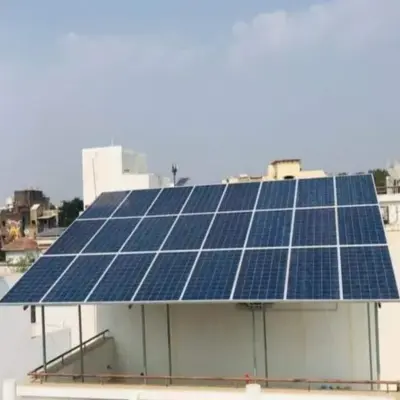
Why Home Owners Choose Off-Grid Solar System?
An off-grid solar system is a self-sufficient power system that operates independently from the government electricity grid. It uses solar panels to generate electricity, stores excess energy in batteries, and supplies power through an inverter to run household appliances.
Unlike grid-tied systems, an off-grid system:
- Does not require a utility connection
- Works in remote or rural areas
- Stores backup energy for night use
- Provides complete energy autonomy
It is ideal for residential homes, villas, farmhouses, and locations with unreliable power supply.
How Does a Home Standalone Solar Power Solution Work?
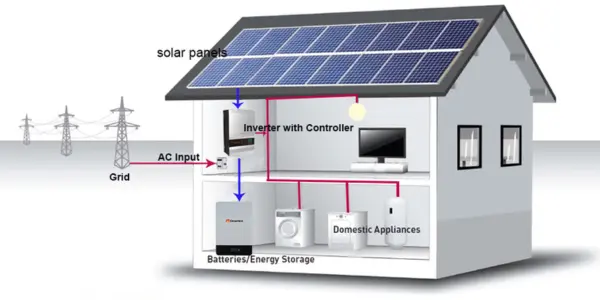
A home standalone solar power solution consists of five major components:
Solar Panels
Solar panels capture sunlight and convert it into DC (Direct Current) electricity.
Charge Controller
The charge controller regulates the voltage and ensures safe battery charging.
Solar Batteries
Batteries store excess electricity generated during the day for use at night or during cloudy conditions.
Solar Inverter
The inverter converts DC electricity into AC (Alternating Current) power, which runs home appliances.
Distribution System
Electricity is distributed safely to power lighting, fans, refrigerators, TVs, water pumps, and other appliances.
During the day, panels power your home and charge batteries. At night, stored energy runs your essential loads seamlessly.
Cost Factors for Grid-Independent Solar PV System for Home
System Size – Bigger homes need more panels and batteries, so costs are higher.
Solar Panels – Quality and number of panels affect the price.
Battery Backup – More backup hours require larger batteries, increasing cost.
Inverter – Good-quality inverters ensure reliable power but cost more.
Installation – Professional mounting, wiring, and safety equipment add to the cost.
Approximate Cost Range (India)
System Size | Approximate Cost (₹) |
1 kW | 1.5 – 2.0 lakh |
3 kW | 4 – 5 lakh |
5 kW | 6 – 8 lakh |
10 kW | 10 – 14 lakh |
Synergy Solar handles everything — subsidy application, inspection, and reimbursement — through the National Portal process.
Advantages of Off-Grid Solar Systems for Homes
Complete Energy Independence
No reliance on electricity boards or power cuts.
Eco-Friendly
Reduces carbon footprint and promotes sustainable living.
Uninterrupted Power Supply
Stored battery backup ensures continuous electricity.
Ideal for Remote Locations
Perfect for villages, farmhouses, hills, and off-grid properties.
Long-Term Cost Savings
One-time investment with minimal maintenance cost.
High ROI
Payback within 3–4 years and 25 + years of performance life.
Subsidy Benefits
Up to 40 % government subsidy for rooftop systems ≤ 3 kW.
Important Points to Consider Before Installing an Isolated Solar System for Home
Before installing an Off-Grid Solar Power Solution, consider the following factors:
Load Assessment - Calculate total daily electricity consumption in units (kWh).
Load Assessment - Calculate total daily electricity consumption in units (kWh).
Battery Backup Requirement - Decide how many backup hours are required (6 hours, 12 hours, or full-day backup)
Roof Space Availability - Ensure sufficient shadow-free rooftop space for solar panel installation.
Budget Planning- Battery capacity significantly affects system cost.
Future Expansion - Choose a scalable system that can be upgraded later.
Applications of Off-Grid Solar Systems in Residential Buildings
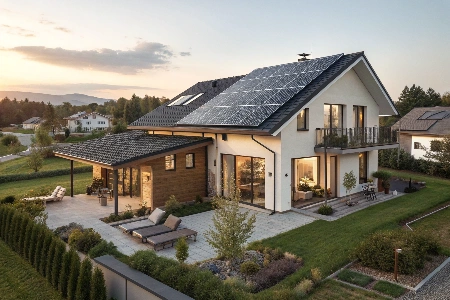
Independent Houses & Villas
Generate power for all your household appliances — fans, lights, refrigerators, air conditioners — and reduce monthly bills by up to 90 %.
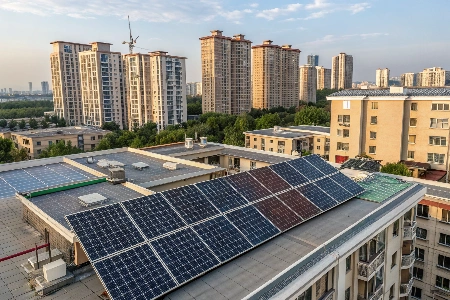
Apartments & Housing Societies
Use shared rooftop systems to power lifts, water pumps, and common lighting areas through net-metering.
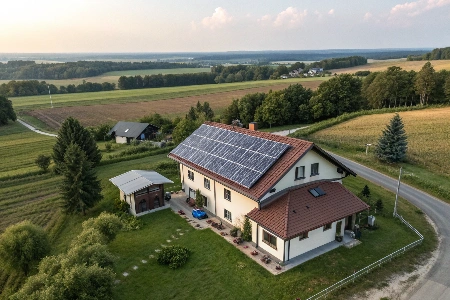
Rural & Semi-Urban Homes
Where grid access exists, on-grid solar provides reliable daytime power and dramatically lowers reliance on conventional energy.
Our Solar Installation Process
At Synergy Solar Solutions, we follow a structured installation process:
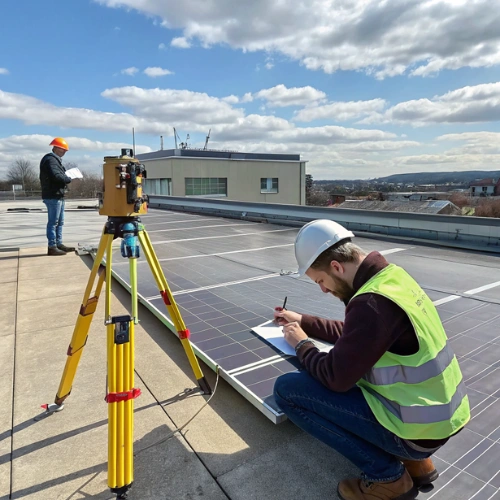
Site Survey
Technical team visits the location to assess roof structure and energy needs
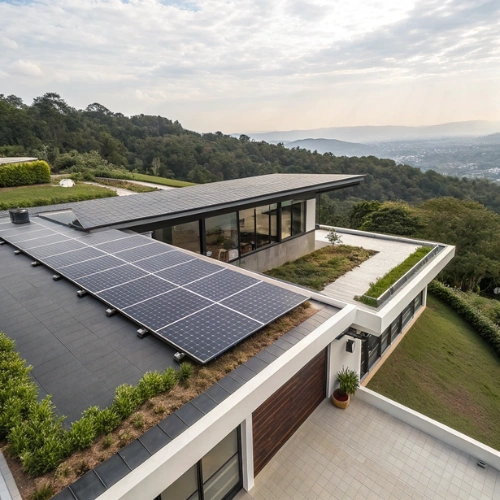
System Design
Customized design based on load calculation and backup requirement.
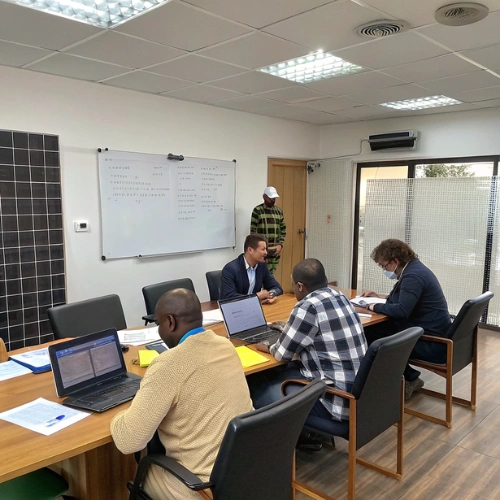
Material Procurement
High-quality solar panels, inverter, batteries, and mounting structures are arranged.
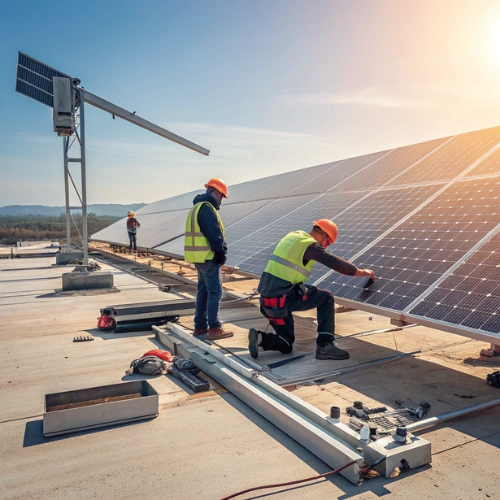
Installation
Professional installation with proper wiring, earthing, and safety compliance.
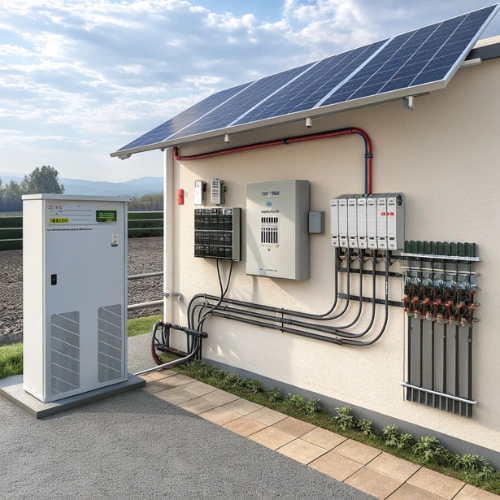
Wiring, Inverter & Net Meter Installation
Our team ensures smooth execution and long-term reliability.
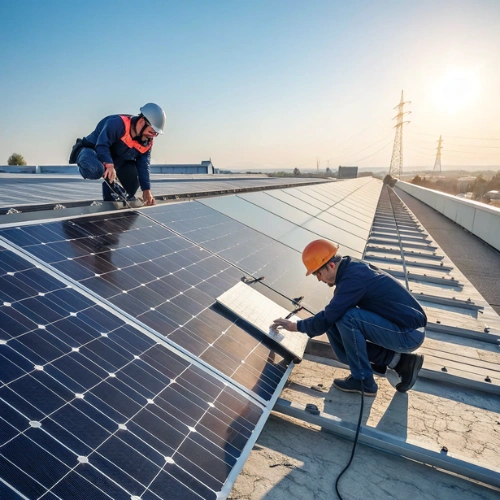
Testing & Commissioning
System performance testing and load trial before final handover.
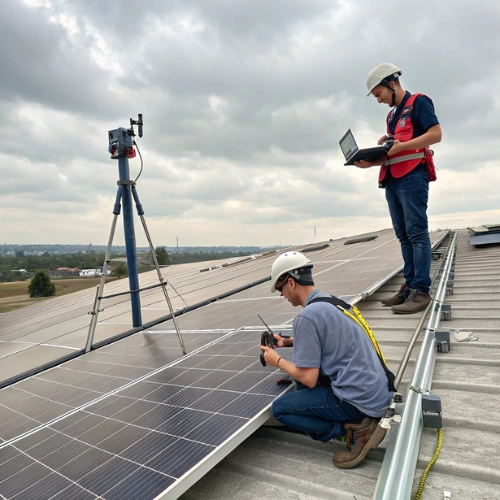
Training & Support
Customer guidance on system operation and maintenance.
Why Choose Synergy Solar Solutions?
Synergy Solar Solutions stands out as a trusted solar EPC installer because:
High-Quality Solar Materials
We use high-quality solar panels, inverters, batteries, and durable mounting structures from trusted manufacturers to ensure long-term performance and efficient power generation.
Safe and Professional Installation
Our trained technicians follow industry safety standards with proper mounting, electrical protection, and secure wiring for a safe solar installation.
On-Time Project Implementation
Our experienced team completes every solar project on schedule, from site survey and system design to installation and final commissioning.
Dedicated Customer Support
We provide continuous customer support including system monitoring guidance, maintenance assistance, and warranty support after installation.
Government Subsidy Support
We assist homeowners with complete guidance and documentation support to apply for available government rooftop solar subsidies.
Assistance with Solar Financing & Bank Loans
Synergy Solar Solutions helps customers explore solar financing options and provides guidance for bank loans to make solar installation more affordable.
Frequently Asked Questions About Off-Grid Solar System for Home
What is the difference between an off-grid solar system and a grid-tied solar system?
An off-grid solar system for home operates completely independently from the electricity grid and uses batteries to store energy. A grid-tied solar system, on the other hand, is connected to the utility grid and typically does not require battery storage.
How much does an off-grid solar system for a house cost in India?
The cost of an off-grid solar power system for house depends on system size, battery capacity, and equipment quality. Small residential systems can start from around ₹1.5 lakh, while larger systems designed to power an entire home can cost significantly more.
How many solar panels are required for an off-grid home?
The number of panels required for an off-grid residential solar power system depends on daily electricity consumption. For example, a 3kW system may require around 8–10 solar panels depending on the panel wattage.
Can an off-grid solar system run a refrigerator and washing machine?
Yes, a properly sized off-grid solar system for household electricity can easily run appliances such as refrigerators, washing machines, televisions, lights, and fans.
Can an air conditioner run on an off-grid solar system?
Yes, air conditioners can run on an off-grid solar power system for house, but the system must be designed with higher solar capacity and larger battery storage to handle the power demand.
What happens if the battery in an off-grid solar system becomes fully discharged?
If the battery becomes fully discharged, the standalone solar system for private residence will temporarily stop supplying power until the solar panels recharge the battery during sunlight hours.
How long can batteries power a home in an off-grid solar system?
Battery backup duration depends on battery capacity and electricity usage. A typical off-grid solar system for residential use can provide backup ranging from 6 hours to 24 hours depending on system design.
Is an off-grid solar system suitable for urban homes?
Yes, many homeowners install an off-grid solar system for independent house in urban areas to avoid power outages and reduce dependency on electricity providers.
What maintenance is required for an off-grid solar system?
Maintenance for a complete off-grid solar system for small house mainly involves cleaning solar panels regularly, checking battery health, and ensuring electrical connections remain secure.
How much roof space is required for an off-grid solar system?
On average, a 1 kW off-grid residential solar power system requires about 80–100 square feet of shadow-free rooftop space.