
General
Solar Farming in India: The New Age Passive Income for Rural Entrepreneurs
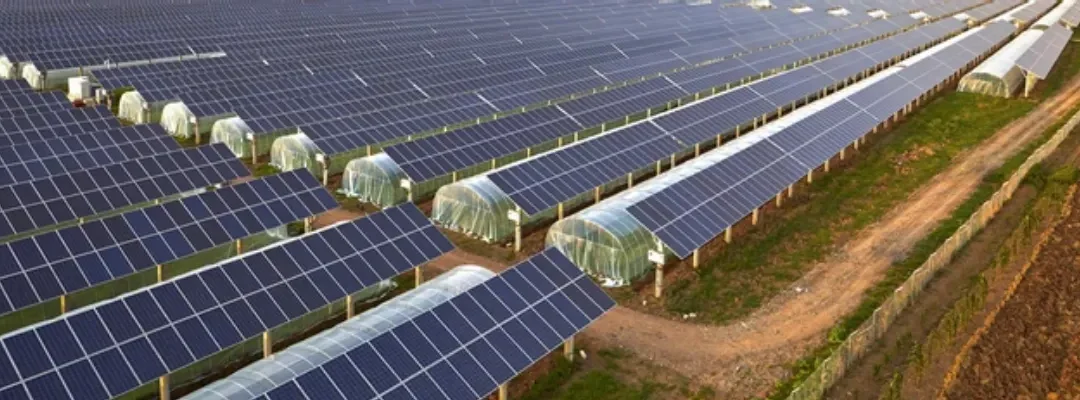
For rural landowners and farmers in India, solar energy has emerged as a reliable source of passive income. Unlike traditional farming, which depends on crops, weather, and active labor, solar farming allows you to earn money consistently without daily involvement.
With government schemes like PM-KUSUM, rising energy demand, and the push for renewable energy, solar farming is now a profitable, low-risk investment for rural entrepreneurs.
What is Passive Solar Farming?
Passive solar farming means earning income from solar energy without managing daily operations. The main approaches include:
- Leasing your land to a solar developer – You receive fixed annual rent while the developer handles installation, maintenance, and power sales.
- Power Purchase Agreements (PPA) – You install solar panels (or fund a project) and sell electricity at a fixed rate to the grid or corporate buyers.
- Participation under PM-KUSUM – Government-backed scheme allowing farmers to set up small solar systems and sell surplus energy with minimal involvement.
This allows rural landowners to earn steady, long-term revenue without replacing their primary occupation.
Real-World Passive Income Potential
| Land Size | Model | Expected Annual Income | Notes |
|---|---|---|---|
| 1 acre | Lease to developer | ₹30,000–₹80,000 | Fixed rent, no maintenance |
| 1–2 acres | Small solar plant under PM-KUSUM | ₹1–2 lakh | Subsidy-backed, sells to grid |
| 5+ acres | PPA for commercial solar | ₹5–15 lakh | Long-term contract, minimal involvement |
Key benefits:
- Consistent revenue independent of crop yield
- Low operational responsibility
- 20–25 years of income potential
Why Passive Solar Farming Works
- Guaranteed Long-Term Income
Solar leases and PPAs provide a stable cash flow over decades. - Low Risk
Government-backed programs like PM-KUSUM reduce investment risk and ensure predictable returns. - Minimal Maintenance
Modern solar farms require little upkeep, and developers typically manage operations. - Dual Benefits
You can sometimes continue limited farming under solar panels (agro-solar), earning both agricultural and solar income.
How to Start Earning Passive Income from Solar Farming
- Evaluate Your Land – Open, unshaded areas with grid connectivity are ideal.
- Choose Your Model – Decide between leasing, PPA, or self-owned solar plant with government support.
- Partner with Experts – Work with solar EPC companies like Synergy Solar Solutions to handle installation, approvals, and management.
- Leverage Government Subsidies – PM-KUSUM can cover a portion of installation costs, improving ROI.
Planning solar?
Get a free site survey and subsidy guidance
Our engineers size the system to your bill and roof, handle the subsidy paperwork and install it end to end.
How much land does a solar farm need?
Roughly 4–5 acres per MW for ground-mounted plants, depending on module type, layout and spacing.
How does a solar farm earn income?
By selling power under a PPA to a DISCOM or a business, through open access, or by captive use. Returns depend on tariff, location and financing.
What does Synergy handle for a solar farm?
Feasibility, land and approvals support, design, EPC installation, commissioning and O&M.
Keep reading
Related articles
Tamil Nadu Budget 2026: ₹1 Lakh Rooftop Solar Subsidy Under PM Surya Ghar
Why Solar Insurance Is Essential for Protecting Your Investment
Top Benefits of Solar Insurance for Homes and Businesses
Free site survey · Written quote
Planning solar? Get a free site survey
Share your monthly electricity bill and roof size. Our engineers size the system, explain the subsidy and send a written quote.