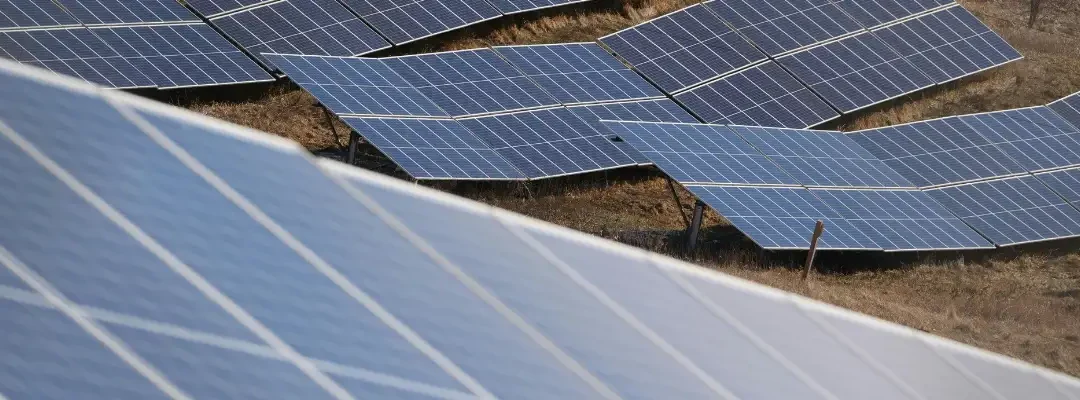
Tamil Nadu is giving a major push to residential solar energy through its 2026 Budget, with the government announcing a subsidy of up to ₹1 lakh for domestic consumers installing rooftop solar panels under the PM Surya Ghar Muft Bijli Yojana.
The State Government has allocated ₹50 crore for implementing the new rooftop solar subsidy initiative. The announcement is expected to make residential solar installations more affordable by reducing the upfront investment required from homeowners.
The announcement comes at a time when Tamil Nadu is looking to accelerate rooftop solar adoption. While the state has a strong position in renewable energy generation, residential rooftop solar adoption has not grown at the same pace as in several other major states.
For homeowners considering solar panels for their houses, the new incentive could make 2026 an important year to explore rooftop solar installation in Tamil Nadu.
What Did Tamil Nadu Budget 2026 Announce for Rooftop Solar?
The Tamil Nadu Government has announced a new Rooftop Solar Subsidy Scheme for domestic electricity consumers. The scheme will be implemented in convergence with the central PM Surya Ghar Muft Bijli Yojana.
Under the announcement, eligible domestic consumers installing rooftop solar systems can receive subsidy support of up to ₹1 lakh. The state has earmarked ₹50 crore for the programme in the 2026–27 Budget.
The key objective is to lower the initial cost of installing solar panels and encourage more households to generate clean electricity from their own rooftops.
However, homeowners should note that the detailed guidelines, exact state subsidy component, eligibility conditions and application procedure are yet to be fully notified. Therefore, consumers should verify the official implementation rules before making a payment or finalising an installation.
Why Is Tamil Nadu Introducing a ₹1 Lakh Solar Subsidy?
The new incentive is aimed at addressing one of the biggest barriers to residential solar adoption: the upfront cost.
Although rooftop solar can provide long-term electricity savings, the initial investment can discourage households from making the switch. A state-level financial incentive can reduce this burden and make solar more accessible to a larger number of domestic consumers.
The subsidy also supports Tamil Nadu's broader renewable-energy goals by encouraging distributed solar generation rather than relying entirely on large-scale power generation projects.
For households, the combination of government financial support, solar power generation and potential electricity-bill savings can improve the overall economics of a rooftop solar project.
PM Surya Ghar and Tamil Nadu's New Solar Subsidy
The Tamil Nadu initiative is being introduced in convergence with the Pradhan Mantri Surya Ghar Muft Bijli Yojana, the central government's residential rooftop solar programme.
PM Surya Ghar was designed to expand rooftop solar among households and encourage residential consumers to generate their own electricity. The national programme has now crossed the 50-lakh rooftop solar installation milestone, demonstrating the growing interest in household solar across India.
Tamil Nadu's new announcement adds another important policy push for homeowners in the state.
How the Central and State Support May Work
The Tamil Nadu Budget announcement states that the new rooftop solar subsidy will operate in convergence with PM Surya Ghar.
This means homeowners should not assume that the ₹1 lakh figure is simply an additional ₹1 lakh over and above every other subsidy without checking the final rules.
The state government's detailed guidelines are important because they are expected to clarify:
Who can apply
Which rooftop solar systems qualify
The exact state subsidy component
How the state and central benefits will be coordinated
Required documentation
Vendor requirements
Application and approval procedures
Installation and commissioning requirements
How and when the subsidy will be released
Until these guidelines are officially published, homeowners should rely on government notifications rather than advertisements promising a fixed subsidy amount.
How Much Is the Solar Subsidy in Tamil Nadu?
The Tamil Nadu solar subsidy 2026 has been announced at up to ₹1 lakh for eligible domestic consumers under the new state initiative being implemented in convergence with PM Surya Ghar.
The important point is that ₹1 lakh is the maximum announced support, not necessarily a fixed amount that every household will receive.
The actual benefit can depend on the final eligibility criteria, solar system capacity and implementation rules notified by the government.
Particular
Details
Scheme
Tamil Nadu Rooftop Solar Subsidy Scheme
Announced in
Tamil Nadu Budget 2026–27
Target beneficiaries
Domestic consumers
Maximum announced subsidy
Up to ₹1 lakh
Central scheme
PM Surya Ghar Muft Bijli Yojana
State allocation
₹50 crore
Purpose
Promote residential rooftop solar adoption
Implementation
In convergence with PM Surya Ghar
The state has allocated ₹50 crore for the scheme, while the detailed operational guidelines are expected to establish how the benefit will be delivered.
Who Can Benefit From the Tamil Nadu Rooftop Solar Subsidy?
The new announcement specifically focuses on domestic consumers installing rooftop solar systems.
This makes the initiative particularly relevant to:
Individual homeowners
Residential property owners
Independent houses
Eligible domestic electricity consumers
Households looking to reduce electricity expenses
Families planning a new residential solar installation
The final eligibility conditions should be confirmed once the government releases the detailed scheme guidelines.
Commercial buildings, factories, warehouses and other non-residential properties should not automatically assume that they qualify for this particular residential subsidy.
How to Apply for the ₹1 Lakh Solar Subsidy in Tamil Nadu?
The exact application process for the new Tamil Nadu state subsidy should be confirmed after the government publishes the detailed implementation guidelines.
However, homeowners planning to install solar can start preparing by understanding the expected process and keeping their electricity and property information ready.
1. Check Your Residential Electricity Connection
Start by checking your domestic electricity consumer details and ensuring that your electricity connection information is accurate.
2. Assess Your Rooftop
A professional solar assessment can determine whether your roof has adequate space, structural suitability and sufficient sunlight for solar panel installation.
3. Determine the Right Solar Capacity
The appropriate system size depends on your electricity consumption, roof area, budget and future power requirements.
4. Check the Official Scheme Guidelines
Before making any payment, verify the latest subsidy rules released by the Tamil Nadu Government and the PM Surya Ghar portal.
5. Select an Eligible Solar Installer
Choose a qualified installer who can explain the applicable subsidy, equipment, installation process, documentation and grid-connection requirements.
6. Complete Installation and Required Approvals
Once the applicable approvals are completed, the solar system can be installed according to the required technical standards.
7. Complete Commissioning and Subsidy Formalities
The final subsidy process will depend on the official guidelines and the applicable central and state procedures.
Important: Since the new Tamil Nadu ₹1 lakh scheme is newly announced, homeowners should wait for the official detailed procedure before assuming that a particular installation automatically qualifies.
What Is the Current Rooftop Solar Situation in Tamil Nadu?
The new subsidy comes at a time when Tamil Nadu is seeking to increase residential rooftop solar adoption.
According to the figures reported following the Budget announcement, as of July 2026, Tamil Nadu had around 316 MW of rooftop solar capacity, with 87,039 installations across 1,03,004 households.
The figures highlight both the progress already made and the opportunity for further growth.
The state has historically been one of India's leading renewable-energy markets. However, rooftop solar adoption among households requires a different approach because individual consumers consider factors such as upfront cost, installation quality, electricity savings, approvals and payback period.
The new subsidy is therefore aimed at making residential solar more financially attractive.
Benefits of the ₹1 Lakh Rooftop Solar Subsidy
Lower Initial Investment
The biggest immediate benefit is the potential reduction in the upfront cost of a residential solar installation.
Better Solar Affordability
Financial assistance can make rooftop solar more accessible to households that may otherwise postpone installation because of the initial investment.
Reduced Electricity Expenses
A properly designed solar system can generate electricity for household consumption and potentially reduce the amount of electricity purchased from the grid.
Greater Renewable Energy Adoption
More residential installations can increase distributed solar generation and support Tamil Nadu's renewable-energy objectives.
Long-Term Energy Savings
Solar panels can generate electricity for many years, allowing households to potentially benefit from long-term energy savings after accounting for installation, maintenance and other project costs.
Encourages Cleaner Energy
Greater use of rooftop solar can help households shift part of their electricity consumption toward renewable energy.
Why Rooftop Solar Can Be a Smart Investment for Tamil Nadu Homes
Tamil Nadu receives substantial solar radiation across much of the year, making rooftop solar suitable for many residential properties.
However, the financial outcome of a solar installation depends on several factors, including:
Monthly electricity consumption
Solar system capacity
Roof orientation
Available shadow-free area
Solar panel efficiency
Inverter performance
Installation quality
Electricity tariff
Applicable metering arrangements
Maintenance requirements
Therefore, homeowners should not select a solar system only because it qualifies for a subsidy. The system should be properly sized according to the property's electricity consumption.
What Should Homeowners Check Before Installing Solar?
Before proceeding with a solar panel installation for home, homeowners should consider more than just the subsidy amount.
Electricity Consumption
Review recent electricity bills to understand your actual energy requirement.
Rooftop Space
Ensure sufficient shadow-free space is available for the proposed solar array.
System Capacity
Choose a capacity that matches your electricity consumption and available roof area.
Equipment Quality
Compare solar modules, inverters, mounting structures and electrical protection equipment before selecting a system.
Installation Standards
A high-quality installation is essential for safety, performance and long-term reliability.
Warranty and Service
Check product warranties and understand what after-sales support is provided by the installer.
Subsidy Documentation
Keep all required consumer, banking and installation documentation ready and follow the official process.
Tamil Nadu Budget 2026: Other Renewable Energy Initiatives
The rooftop solar subsidy is only one part of Tamil Nadu's broader energy strategy.
The 2026 Budget also announced several initiatives related to renewable energy, energy storage and power infrastructure.
Battery Energy Storage System Promotion Policy
Tamil Nadu plans to formulate a new Battery Energy Storage System (BESS) Promotion Policy to encourage private investment and develop the state as a major battery energy storage hub.
Energy storage can help manage fluctuations in renewable generation and support electricity demand during peak periods.
Green Energy Corridor Phase-II
The government also plans to expedite Phase-II of the Green Energy Corridor Project, valued at ₹1,187 crore.
The project is important for strengthening infrastructure required to evacuate renewable electricity generated in southern Tamil Nadu.
Smart Meter Installation
A smart-meter installation programme is also planned for consumers in Chennai city and for 50 lakh industrial and commercial consumers across other parts of Tamil Nadu.
Smart metering can support more efficient electricity monitoring and improve consumer-level energy data.
New Power Sub-Stations
The government has announced plans to construct 178 new substations with an investment of ₹1,543 crore to strengthen the state's electricity distribution infrastructure.
Transformer Replacement
Around 40,000 old transformers are planned to be replaced in phases, with an estimated investment of ₹2,000 crore.
These initiatives show that the rooftop solar subsidy is part of a wider effort to strengthen Tamil Nadu's energy infrastructure while increasing renewable-energy adoption.
How Will the New Subsidy Impact Solar Adoption in Tamil Nadu?
The new incentive could significantly influence the residential solar market over the next few years.
The reduction in upfront cost may encourage homeowners who have been interested in solar but delayed installation because of the initial investment.
Industry representatives have also indicated that state-level financial support could improve adoption by lowering the upfront burden on residential customers. At the same time, streamlining the application and approval process will be important to ensure that the subsidy translates into actual installations.
For the solar industry, increased residential demand could also create opportunities for installers, equipment suppliers, maintenance providers and other participants in the rooftop solar ecosystem.
Is the ₹1 Lakh Subsidy Available Immediately?
The ₹1 lakh rooftop solar incentive has been announced in the Tamil Nadu Budget 2026, but homeowners should distinguish between the budget announcement and the operational implementation of the scheme.
The government has allocated ₹50 crore for the programme, while detailed information about the exact state subsidy share, eligibility requirements and application procedure is still expected to be notified.
Therefore, consumers should check the latest official notification before applying.
Frequently Asked Questions
What is the new Tamil Nadu solar subsidy in 2026?
Tamil Nadu has announced a rooftop solar subsidy of up to ₹1 lakh for domestic consumers under a new state initiative being implemented in convergence with PM Surya Ghar Muft Bijli Yojana.
Who can benefit from the ₹1 lakh solar subsidy?
The announcement is aimed at domestic electricity consumers installing rooftop solar panels. Final eligibility conditions will depend on the detailed guidelines issued by the government.
How much has Tamil Nadu allocated for the rooftop solar subsidy?
The Tamil Nadu Government has allocated ₹50 crore for implementing the new rooftop solar subsidy programme.
Is the ₹1 lakh subsidy separate from PM Surya Ghar?
The Tamil Nadu scheme is being implemented in convergence with PM Surya Ghar Muft Bijli Yojana. The exact method of combining or coordinating state and central benefits will depend on the official implementation guidelines.
Can commercial consumers apply for the ₹1 lakh rooftop solar subsidy?
The announced scheme targets domestic consumers. Commercial and industrial consumers should check separate applicable policies and incentives rather than assuming eligibility under this residential programme.
How can I apply for the Tamil Nadu rooftop solar subsidy?
The detailed application procedure for the newly announced state subsidy should be confirmed after the government releases the official guidelines. Homeowners should follow the official PM Surya Ghar and relevant Tamil Nadu electricity-utility procedures.
Should I install solar before the detailed guidelines are released?
Homeowners should carefully verify the official eligibility and subsidy rules before making a financial commitment. Avoid relying solely on claims from third-party installers about guaranteed ₹1 lakh benefits.
Why is Tamil Nadu promoting rooftop solar?
The initiative aims to reduce the upfront cost of residential solar, increase rooftop solar adoption, encourage renewable-energy generation and help households reduce electricity expenses.
A solar power system is a long-term investment that can reduce electricity costs, improve energy independence, and support sustainability goals. However, installing solar panels does not remove every financial risk.
Severe weather, electrical faults, theft, accidental damage, and equipment breakdown can affect the performance of a solar system and lead to costly repairs. Solar insurance can help reduce the financial impact of eligible losses and support faster recovery after an unexpected event.
For homeowners, businesses, and project owners, insurance provides an additional layer of protection for the money invested in solar equipment and installation.
Why Solar Systems Need Financial Protection
A complete solar installation includes much more than panels. It may also contain inverters, batteries, mounting structures, cables, monitoring systems, switchgear, and transformers.
If one important component is damaged, the entire system may stop generating power. Repair or replacement costs can be significant, especially when specialist labour or multiple components are involved.
Suitable solar system insurance may help protect declared equipment against risks covered by the selected policy.
Common Risks Faced by Solar Installations
Solar systems are built for outdoor conditions, but they may still be exposed to unexpected events.
Common risks include:
Fire and explosion
Lightning and power surges
Flooding and heavy rainfall
Storm, cyclone, and hail damage
Theft or vandalism
Falling objects or debris
Accidental physical damage
Electrical or machinery breakdown
The level of exposure depends on the project location, system design, installation quality, security arrangements, and maintenance practices.
How Solar Insurance Protects Your Investment
The main purpose of solar insurance is to reduce the financial burden created by a covered event.
Reduces Repair and Replacement Costs
Damage to panels, inverters, batteries, transformers, or electrical equipment can be expensive to repair.
Insurance may help cover eligible repair or replacement expenses, subject to deductibles, policy limits, and exclusions. This can prevent a single incident from becoming a major financial setback.
Protects Energy Savings
A solar system creates value only when it is operating correctly.
When a residential system stops working, the owner may need to purchase more electricity from the grid. This can reduce the expected savings from the installation.
Insurance can support the restoration of damaged equipment so the system can return to operation sooner.
Supports Business Revenue
Commercial and industrial systems are often installed to reduce operating expenses or generate income.
Extended downtime may affect electricity savings, production costs, and financial projections. Some policies may include eligible business interruption or loss-of-generation protection after insured physical damage.
Provides Liability Protection
Solar installations can occasionally cause injury or damage to nearby property.
For example, a panel may fall from a roof, an electrical fault may damage surrounding equipment, or a fire may spread to another area.
Third-party liability cover may help respond to eligible legal claims, depending on the policy conditions.
Helps Meet Financing Requirements
Banks, investors, landlords, and project partners may require insurance before financing or approving a solar installation.
Insurance requirements may also be included in loan agreements, leases, EPC contracts, or power purchase agreements.
Solar Insurance for Different Types of Projects
Insurance needs vary according to the size, value, and purpose of the solar installation.
Residential Rooftop Systems
Homeowners should confirm whether their property insurance includes permanently installed solar equipment.
Rooftop solar insurance may cover panels, inverters, batteries, cables, and mounting structures, depending on the policy.
Commercial Solar Projects
Commercial solar insurance may include physical damage, machinery breakdown, liability, and business interruption protection.
This can be useful for offices, hotels, hospitals, schools, retail properties, and other commercial buildings that depend on solar savings.
Industrial Solar Installations
Industrial projects often have larger systems and more complex electrical infrastructure.
Factories, warehouses, and manufacturing units may need broader protection because system downtime can affect operating expenses and long-term energy planning.
What Can Solar Insurance Cover?
Coverage varies between insurers, but a policy may include protection against:
Fire and explosion
Lightning
Flood and storm damage
Theft and vandalism
Accidental external damage
Electrical breakdown
Machinery failure
Transit damage
Installation damage
Third-party liability
Eligible loss of generation
Not every policy includes every risk. The policy schedule and full wording should always be reviewed before purchase.
Documents Required for Better Claim Support
Proper documentation can make the insurance and claim process more efficient.
System owners should maintain:
Purchase invoices
Equipment serial numbers
Installation photographs
Technical specifications
Warranty documents
Commissioning reports
Maintenance records
Generation reports
Repair estimates
Incident photographs and videos
These records help confirm ownership, condition, system value, and the circumstances of the loss.
Frequently Asked Questions About Solar Insurance
What is solar insurance?
Solar insurance is designed to provide financial protection for eligible solar panels, inverters, batteries, cables, mounting structures, and related equipment against risks covered by the policy.
Why is solar insurance important?
Solar insurance can help reduce repair and replacement costs after damage, protect expected energy savings, and support faster recovery from unexpected events.
Does home insurance cover rooftop solar panels?
Some home insurance policies may include permanently installed solar panels, while others may require an extension or separate policy. Homeowners should confirm coverage with their insurer.
What risks can solar insurance cover?
Depending on the policy, coverage may include fire, lightning, storms, floods, theft, vandalism, accidental damage, electrical breakdown, machinery failure, and third-party liability.
Does solar insurance cover inverter failure?
Sudden and unforeseen inverter damage may be covered under machinery breakdown protection. Wear and tear, poor maintenance, and manufacturing defects are often excluded.
Can solar insurance cover loss of generation?
Some commercial policies may include loss-of-generation or business interruption cover after insured physical damage, subject to waiting periods, limits, and policy conditions.
Solar power systems help homeowners and businesses reduce electricity costs, improve energy independence and support long-term sustainability goals. However, solar panels and related equipment remain exposed to weather damage, theft, fire, electrical faults and accidental breakdowns.
Solar insurance provides financial protection against eligible risks and may help system owners recover more quickly after an unexpected incident. Understanding the main benefits of solar insurance can help you decide whether coverage is suitable for your residential or commercial installation.
1. Protects Your Solar Investment
Installing a solar system requires a significant financial commitment. In addition to solar modules, the total project cost may include inverters, batteries, structural components, electrical equipment, labour and engineering services.
Suitable solar investment protection may reduce the financial impact of eligible physical damage. Instead of paying the full replacement cost directly, the owner may receive financial support according to the policy terms.
This benefit is especially important for high-value residential, commercial and industrial systems.
2. Reduces Unexpected Repair Costs
Solar equipment is designed for long-term use, but unexpected events can still cause expensive damage.
Possible risks include:
Fire
Lightning
Flooding
Storms and cyclones
Hail
Theft
Vandalism
Electrical surges
Accidental impact
Machinery breakdown
Solar repair cost coverage may help pay for eligible repairs or replacement after a covered event. This can protect household savings and reduce pressure on business finances.
3. Covers More Than Solar Panels
A solar installation depends on several connected components. Damage to an inverter, battery or transformer can interrupt the entire system even when the modules remain undamaged.
Comprehensive solar system insurance may cover multiple declared assets rather than panels alone.
System owners should confirm whether the policy includes:
Inverters
Energy-storage batteries
Mounting structures
Cables
Transformers
Monitoring devices
Electrical protection equipment
All important components should be listed clearly in the policy schedule.
4. Helps Protect Home Energy Savings
Residential solar systems are commonly installed to reduce monthly electricity bills. When a system stops working after physical damage, the homeowner may lose expected savings while also facing repair expenses.
Solar insurance for homeowners may provide financial support for eligible equipment damage and help restore generation sooner.
Before purchasing separate coverage, homeowners should check whether permanently installed solar equipment is already included in their building or home insurance policy.
5. Supports Commercial Business Continuity
Businesses often use solar energy to control operating expenses and improve long-term financial planning. An extended system shutdown may increase electricity purchases from the grid and affect projected savings.
Commercial solar insurance may provide physical damage protection and can sometimes be combined with machinery breakdown or business interruption cover.
This may be valuable for:
Offices
Hotels
Hospitals
Schools
Shopping centres
Warehouses
Manufacturing facilities
The right policy can support faster restoration and help reduce the financial effect of downtime.
6. May Cover Loss of Generation
When insured physical damage prevents a solar installation from producing electricity, the owner may lose expected savings or revenue.
Some policies offer loss-of-generation cover for eligible financial losses following a covered event.
The settlement may consider:
Previous generation records
Expected system output
Electricity tariffs
Power-purchase agreement rates
Waiting periods
Indemnity periods
Policy limits
This protection is particularly relevant for businesses, investors and project owners whose financial returns depend on system performance.
7. Provides Protection Against Theft and Vandalism
Solar panels, cables, batteries and electrical components may be targeted for theft, especially at remote or ground-mounted installations.
Solar theft protection may cover eligible losses caused by burglary, attempted theft or malicious damage.
Insurers may require security measures such as:
CCTV
Controlled site access
Perimeter fencing
Security guards
Equipment serial-number records
Alarm systems
Regular site inspections
Good security can reduce risk and support claim documentation.
8. Protects Equipment During Installation
Solar equipment can be damaged before the system becomes operational.
Possible incidents may occur during:
Transportation
Loading and unloading
Temporary storage
Panel lifting
Equipment mounting
Electrical installation
Testing
Commissioning
Installation or transit coverage may protect eligible equipment during these stages. EPC contractors and project owners should confirm exactly when the policy begins and ends.
9. Offers Machinery Breakdown Protection
Inverters, transformers and other electrical equipment may suffer sudden and unforeseen mechanical or electrical failure.
Solar breakdown insurance may help cover eligible repair or replacement costs for declared machinery.
However, this type of cover may exclude:
Normal wear and tear
Corrosion
Gradual deterioration
Poor maintenance
Manufacturing defects
Design defects
Improper installation
The complete policy wording should be reviewed carefully.
10. Provides Third-Party Liability Protection
Solar installations may create liability risks if equipment causes accidental injury or damages another person’s property.
Examples may include:
A panel falling from a roof
Fire spreading to a neighbouring building
Electrical damage affecting another property
Injury caused by damaged equipment
Solar third-party liability cover may help with eligible legal liability, compensation and defence costs, subject to policy conditions.
This protection can be especially important for commercial buildings, housing societies and industrial sites.
11. Supports Loan and Contract Requirements
Banks, investors, landlords and project partners may require insurance before approving financing or entering into a commercial agreement.
Coverage may be requested under:
Solar financing agreements
Property leases
EPC contracts
Operations and maintenance contracts
Power-purchase agreements
Investor requirements
Solar asset protection can provide greater financial confidence to stakeholders by reducing exposure to unexpected losses.
12. Helps Businesses Recover Faster
A major incident can involve damaged equipment, interrupted generation, repair coordination and insurance documentation.
Suitable coverage may provide financial support for:
Equipment repair
Component replacement
Debris removal
Professional reinstatement costs
Temporary recovery measures
Eligible revenue loss
Although insurance cannot prevent damage, it can support a more organized and financially manageable recovery.
Residential and Commercial Solar Insurance Compared
Residential Solar Insurance
Residential coverage usually focuses on protecting rooftop panels, inverters, batteries and related equipment.
Homeowners should ask:
Are solar panels included in the building definition?
Is storm, flood or lightning damage covered?
Are batteries and inverters included?
Does the policy cover theft?
Is accidental damage included?
Is public liability available?
Is the replacement value accurate?
Business Solar Insurance
Business coverage may require a broader structure because commercial systems often have higher values and greater financial exposure.
Commercial owners may consider:
Physical damage cover
Machinery breakdown
Business interruption
Loss of generation
Third-party liability
Transit and installation protection
Natural catastrophe coverage
The final policy should reflect the system value, business dependence and site-specific risks.
What Does Solar Insurance Commonly Cover?
Depending on the policy, cover may be available for:
Fire and explosion
Lightning
Flood and inundation
Storm and cyclone damage
Hail
Earthquake
Theft and burglary
Malicious damage
Accidental external damage
Electrical damage
Machinery breakdown
Transit damage
Installation risks
Third-party liability
Business interruption
Loss of generation
Not every policy includes every risk. Owners should review the policy schedule, endorsements and complete wording before purchasing coverage.
Common Solar Insurance Exclusions
A policy may exclude or limit losses caused by:
Wear and tear
Gradual deterioration
Corrosion
Poor maintenance
Faulty workmanship
Defective design
Manufacturing defects
Pre-existing damage
Undeclared modifications
Fraud or deliberate acts
Equipment outside the insured location
Underinsurance
Failure to follow policy warranties
Some exclusions may be modified through endorsements, while others may remain standard.
Documents Required for Solar Insurance
Accurate documentation can support underwriting and make future claims easier to assess.
Useful records may include:
Purchase invoices
Asset registers
Equipment serial numbers
Installation photographs
Site layout drawings
Electrical diagrams
Technical specifications
Testing reports
Commissioning certificates
Warranty documents
Maintenance records
Generation reports
EPC contracts
Previous claims details
Records should be stored securely and updated whenever equipment is replaced or modified.
How to Choose the Right Solar Insurance Policy
Before selecting a policy, compare more than the premium.
Consider:
Which assets are covered
The insured replacement value
Included natural hazards
Deductibles and sub-limits
Machinery breakdown protection
Theft coverage
Liability limits
Business interruption conditions
Maintenance requirements
Claim-documentation rules
Major exclusions
The most affordable policy may not provide the most suitable protection for your installation.
Is Solar Insurance Worth It for Homes and Businesses?
Insurance may be worth considering when:
The installation has a high replacement value
The site is exposed to severe weather
The system includes costly batteries or inverters
The owner cannot easily absorb repair costs
A business depends on solar generation
A lender or investor requires coverage
The installation creates third-party liability exposure
The decision should be based on the system value, project location, risk exposure and financial effect of possible downtime.
Frequently Asked Questions
Does home insurance cover solar panels?
Some property policies may cover permanently installed solar panels, while others require an extension or separate policy. Homeowners should confirm coverage directly with their insurer.
Can businesses insure lost solar generation?
Some commercial policies may offer business interruption or loss-of-generation protection following insured physical damage.
Are solar batteries covered?
Batteries may be covered when they are declared in the policy schedule and installed according to the insurer’s safety requirements.
Does insurance cover inverter failure?
Sudden and unforeseen inverter damage may be covered under machinery breakdown protection, subject to exclusions and policy conditions.
Is solar insurance mandatory?
It is not always mandatory, but lenders, investors, landlords or commercial contracts may require specific coverage.
A 1MW solar power plant is a large-scale renewable energy solution designed to generate clean electricity for industrial, commercial, institutional, or utility applications. Conducting a comprehensive feasibility analysis of a 1MW solar power plant is a crucial step before project development, as it evaluates technical viability, financial returns, site suitability, regulatory requirements, and long-term performance.
With rising electricity costs and growing emphasis on sustainability, investing in a 1MW solar project offers both economic and environmental benefits. This guide provides a complete overview of the factors involved in assessing the feasibility of a 1MW solar installation.
What is a 1MW Solar Power Plant?
A 1 megawatt (MW) solar photovoltaic (PV) plant is capable of generating large quantities of electricity using sunlight. It is typically installed as a ground-mounted system and connected either to the grid or used for captive consumption.
Typical generation capacity:
4,000 to 5,000 kWh (units) per day
1.4 to 1.8 million kWh per year
Power supply for large factories, campuses, or communities
Why Feasibility Analysis is Important
A proper feasibility study ensures that the solar project is technically sound and financially profitable. It helps stakeholders avoid costly mistakes and optimize system performance.
Key objectives of feasibility analysis:
Assess site suitability and solar potential
Estimate project cost and returns
Identify technical requirements
Evaluate risks and constraints
Support financing and approvals
Ensure long-term operational success
Land Requirement for a 1MW Solar Plant
Land availability and quality are critical factors.
Typical land requirement:
4 to 5 acres for ground-mounted systems
Flat, shadow-free land preferred
Site selection considerations:
High solar radiation levels
Minimal shading from trees or buildings
Proper drainage and low flood risk
Good soil strength for foundations
Easy road access for construction
Proximity to transmission infrastructure
Solar Resource Assessment
Solar energy output depends on the availability of sunlight throughout the year.
Important parameters include:
Global Horizontal Irradiance (GHI)
Peak Sun Hours (PSH)
Seasonal weather patterns
Temperature variations
Dust and atmospheric conditions
Regions with higher solar irradiation produce greater energy and better financial returns.
Technical Feasibility Study
Technical analysis determines system design, equipment selection, and performance expectations.
Solar Modules (Panels)
Common panel types used in 1MW plants:
Monocrystalline panels — high efficiency
Polycrystalline panels — cost-effective
Bifacial panels — higher output for utility projects
Approximate number of panels: 2,500 to 3,000 modules depending on wattage
Inverter Selection
Inverters convert DC power from panels into usable AC electricity.
Options include:
Central inverters — suitable for large solar farms
String inverters — better monitoring and reliability
Mounting Structures
Mounting systems determine panel orientation and energy output.
Fixed tilt structures — lower cost, simple design
Single-axis trackers — increased generation
Dual-axis trackers — maximum output but higher cost
Grid Connectivity and Electrical Infrastructure
Power evacuation is a major feasibility component.
Key factors:
Distance to nearest substation
Grid capacity and stability
Transmission line requirements
Voltage compatibility
Protection and synchronization systems
Grid connection costs can significantly influence project economics.
Regulatory and Approval Requirements
Solar power plants require multiple clearances before construction.
Typical approvals include:
Land use conversion (if required)
Electricity board permissions
Environmental approvals (if applicable)
Open access approval for captive plants
Power Purchase Agreement (PPA) for grid-connected projects
Understanding regulatory requirements early helps avoid delays.
Financial Feasibility Analysis
Financial evaluation determines project profitability and investment viability.
Capital Cost of a 1MW Solar Power Plant
Approximate cost in India:
₹3.5 crore to ₹5 crore depending on technology, location, and infrastructure.
Major cost components:
Solar modules
Inverters
Mounting structures
Civil and electrical works
Transformers and cables
Land development
Installation and commissioning
Operation and Maintenance (O&M) Cost
Annual maintenance expenses are relatively low.
Typical O&M cost:
1% to 2% of total project cost per year
Includes:
Panel cleaning
Preventive maintenance
Monitoring systems
Security and insurance
Equipment replacement
Revenue Generation and Savings
Returns depend on project type.
Captive Solar Plant
Reduces electricity bills for industries
Protection from tariff hikes
Energy independence
Faster payback
Grid-Connected Solar Plant
Revenue through power sale
Long-term PPA income
Potential government incentives
Return on Investment (ROI)
A well-designed 1MW solar plant offers attractive financial returns.
Typical performance indicators:
Payback period: 4 to 7 years
Internal Rate of Return (IRR): 12% to 20%
Plant lifespan: 25 years or more
Higher solar radiation and lower land costs improve ROI.
Risk Assessment
Feasibility studies must identify potential risks:
Policy or tariff changes
Equipment degradation
Weather variability
Grid curtailment
Financing challenges
Land ownership issues
Proper planning helps mitigate these risks.
Environmental Benefits
Investing in solar energy contributes to sustainability goals.
Key environmental advantages:
Zero emissions during operation
Reduced carbon footprint
Renewable and clean energy source
Minimal water usage
Low environmental impact
Project Implementation Timeline
Typical duration for a 1MW solar project:
Feasibility study: 1–2 months
Approvals and financing: 2–4 months
Procurement and construction: 3–5 months
Testing and commissioning: 1 month
Total timeline: 6 to 12 months
Advantages of a 1MW Solar Power Plant
Long-term stable energy supply
Significant electricity cost savings
Low operational expenses
Protection against rising power tariffs
Sustainable corporate image
Reduced dependence on fossil fuels
FAQ on Feasibility Analysis of 1MW Solar Power Plant
Can a 1MW solar plant operate during cloudy or rainy days?
Yes, solar panels still generate electricity under diffuse sunlight, but output decreases significantly during cloudy or rainy conditions. Annual generation estimates already account for seasonal weather variations.
What type of land is not suitable for a solar power plant?
Land may be unsuitable if it has:
Heavy shading
Frequent flooding
Rocky terrain requiring expensive foundations
Legal disputes or unclear ownership
Environmental restrictions
Steep slopes
Such conditions increase project cost and reduce feasibility.
How far should a 1MW solar plant be from a substation?
Ideally, the plant should be located as close as possible to an electrical substation to minimize transmission losses and infrastructure costs. Long-distance evacuation requires additional investment in transmission lines and approvals.
What is the capacity utilization factor (CUF) of a 1MW solar plant?
The Capacity Utilization Factor represents actual output versus maximum possible output.
Typical CUF in India:
> 17% to 22%
Higher CUF indicates better performance and profitability.
Is water required for operating a 1MW solar power plant?
Water is mainly needed for cleaning solar panels to remove dust and dirt. Consumption is relatively low compared to conventional power plants. In water-scarce regions, robotic or dry-cleaning systems may be used.
Can a 1MW solar plant be expanded later?
Yes. If sufficient land and grid capacity are available, additional solar capacity can be added. Planning future expansion during the initial design phase reduces upgrade costs.
As solar adoption grows, operators face a crucial question: how do you maximize the energy output of your solar farm? Even small improvements in efficiency can lead to major increases in return on investment over the life of a solar asset.
This guide covers proven strategies to improve solar farm efficiency, reduce soiling losses, and ensure long-term performance optimization.
1. Optimize Panel Tilt and Orientation
Getting the angle and orientation right is essential to maximize solar irradiance. Panels that are misaligned with the sun’s path consistently underperform.
Key Tips:
Adjust tilt seasonally, either manually or with automated trackers
For most regions like India, solar panels should be oriented from south to north, as the sun moves in that arc over ~9 months of the year
True south-facing alignment offers strong performance, but factoring in the sun’s seasonal shift enhances year-round generation
Large-scale solar farms can benefit from single-axis or dual-axis tracking systems that dynamically follow the sun’s path
Pro Tip: Single-axis tracking can boost solar farm output by up to 25% compared to fixed-mount systems.
2. Control Dust and Soiling Losses
Dust is a silent efficiency killer in solar farms — especially in dry, dusty, or agricultural zones. It reduces light penetration and accelerates panel degradation.
How to Minimize Soiling Losses:
Implement regular solar panel cleaning using waterless brushes, soft cloths, or robotic systems
Install dust control windfences or sand protection barriers around the solar array
Apply anti-soiling coatings to panel glass in high-dust zones
Soiling losses can range from 5% to 30%, depending on climate and cleaning frequency.
3. Perform Predictive Maintenance
Traditional reactive maintenance leads to delays and power loss. Instead, adopt a predictive maintenance strategy using smart tech.
Recommended Tools:
IoT-enabled solar monitoring systems
Thermal imaging to detect hot spots and faulty cells
Alerts for underperforming strings, inverters, or connectors
This helps reduce downtime, prevent large-scale faults, and increase operational lifespan.
4. Manage Shading and Vegetation
Even minor shading on one panel can reduce output for the entire string.
Solutions:
Perform regular vegetation trimming around and between panel rows
Remove temporary shadows (e.g., from buildings, poles, or scaffolding)
Use MLPE (Module-Level Power Electronics) like microinverters or optimizers to isolate shaded modules
5. Upgrade to High-Efficiency Components
Older systems may be using outdated technologies. Upgrading to modern, higher-efficiency components can significantly increase output.
Consider Retrofitting With:
High-efficiency solar modules (TopCon, HJT, bifacial)
MPPT inverters with advanced power tracking algorithms
Smart combiner boxes that allow real-time performance and surge protection
A small 2–3% efficiency improvement scales to massive energy gains over 25 years.
6. Improve Cable Management & Grounding
Electrical losses due to poor wiring or grounding are often overlooked but critical.
What to Check:
Undersized or degraded cables that cause voltage drops
Loose or oxidized connections
Proper and compliant grounding for safety and efficiency
Well-maintained cabling ensures stable power transmission and minimizes system losses.
7. Leverage Solar Farm Monitoring Systems
Live performance tracking is a must for modern solar farms.
Key Metrics to Monitor:
Daily, weekly, and monthly energy generation
Irradiance levels, temperature, and weather trends
String-level or inverter-level output to catch early signs of failure
Use SCADA or cloud-based platforms for remote access, alerts, and data-driven O&M decisions.
8. Train Your O&M Team
Even the best equipment fails if handled improperly. Empowering your maintenance staff is vital for long-term efficiency.
Best Practices:
Train technicians in solar-specific O&M protocols
Stay updated with latest IEC and MNRE guidelines
Conduct quarterly audits to ensure adherence to maintenance schedules
If your solar plant output is falling month by month—or you feel like “it used to generate more earlier”—there’s usually a clear reason behind it. The good news is: many issues can be found early with simple checks before they turn into bigger losses.
This blog explains the most common causes of low solar plant generation in a way that’s easy to understand, along with what to check first.
First, how do you know your solar plant is underperforming?
You may be underperforming if you notice:
Your monthly units (kWh) are lower than the same month last year
Inverters show frequent trips or long downtime
You see mismatch between inverters/strings
Your O&M team keeps “fixing small issues” but output doesn’t improve
Before jumping to conclusions, compare: This month vs same month last year Sunny days output vs earlier sunny days output Inverter-wise generation (which inverter is lagging)
12 Common Causes of Underperformance (Simple Explanation + Checks)
1) Panels are dirty (dust, bird droppings, leaves)
Even a small layer of dust can reduce output. What to check:
Are panels visibly dusty or patchy dirty?
Is cleaning happening regularly and properly?
Quick fix: Better cleaning schedule + correct method (avoid hard water marks).
2) Shadow falling on panels
A small shadow from a tree, pipe, wall, or nearby structure can reduce generation. What to check:
Without proper monitoring, problems stay hidden and losses grow. What to check:
Do you get inverter-wise and string-wise data?
Are alarms being noticed and responded quickly?
Fix: Upgrade monitoring and set alert response process.
What to Check First
If output is low, start with these steps:
Compare generation with last year (same month)
Check inverter alarms and downtime hours
Inspect cleaning and shadow issues
Check for hotspots / burnt connectors
Verify combiner box fuses and SPD health
Check IR and earthing health (trained technician)
This gives fast clarity on whether the issue is:
cleaning/shading
electrical faults
inverter/grid issues
aging equipment needing upgrades
When is it time to think beyond repairs?
If the same problems keep coming back and generation continues to drop even after maintenance, it may be time to consider:
inverter upgrade
module replacement
DC redesign / string balancing
monitoring upgrade
(These are often part of a repowering plan, but the first step is always diagnosis.)
FAQs
Why is my solar plant generating less electricity? Most common reasons are dust, shading, inverter trips, loose connectors, and DC losses.
How can I increase my solar plant output? Start with cleaning, shading removal, checking inverter downtime, fixing DC connector issues, and improving monitoring.
What causes inverter tripping in solar plants? Common reasons include grid voltage problems, insulation faults, overheating, DC imbalance, and component aging.
How do I know if my solar panels are damaged? Visible cracks/burn marks and hotspots found in thermal scanning are strong indicators.