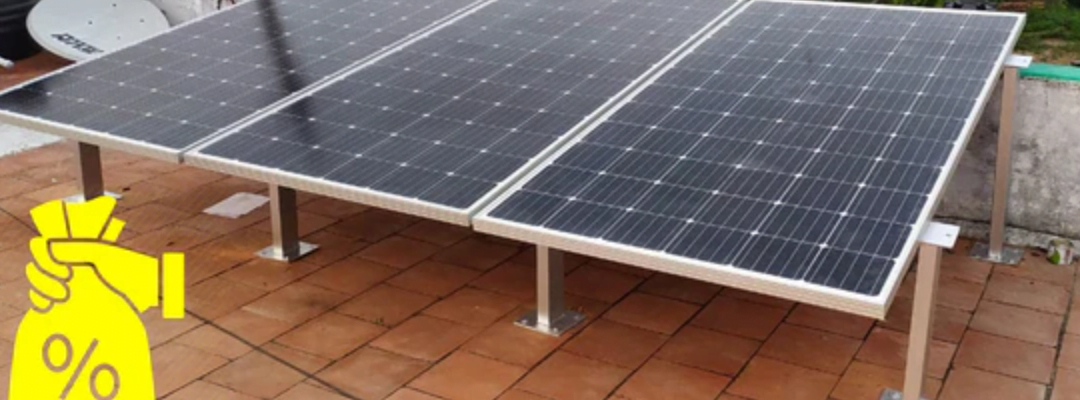
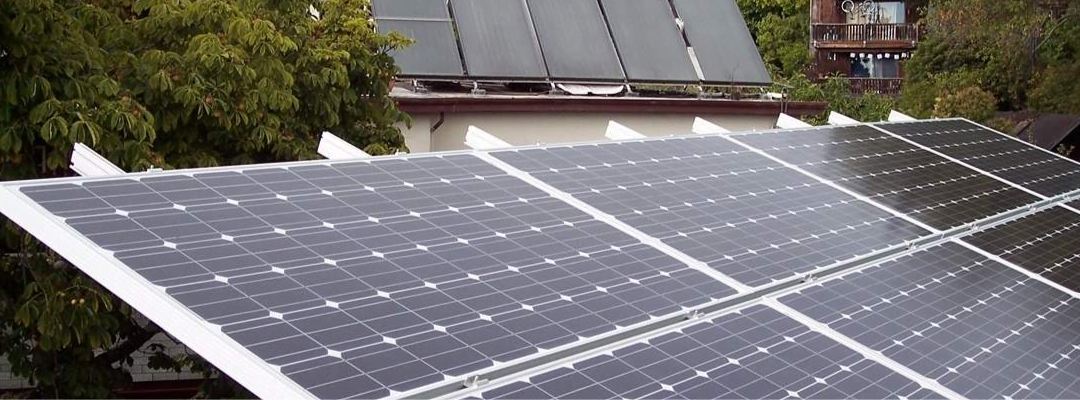
The cost of solar panels has dropped significantly over the past decade due to advancements in photovoltaic technology. Despite the upfront investment, solar energy remains the most cost-effective renewable power source, offering free electricity for 25+ years. Tamil Nadu residents can further reduce costs with government subsidies, making solar installation an attractive option.
This guide covers the latest solar system prices in Tamil Nadu, subsidy details, application process, and cost-saving calculations to help you make an informed decision.
Solar Panel Subsidy in Tamil Nadu
Government Incentives for Residential Solar Installations
The New and Simplified Programme for Rooftop Solar Phase II encourages widespread residential solar adoption across India. Under this scheme, affordable solar solutions for households in Tamil Nadu become possible by reducing costs through subsidies.
Who is Eligible for a Solar Subsidy?
Homeowners who install grid-connected solar PV systems with domestically manufactured components can apply for a Central Financial Assistance (CFA) or government subsidy. Applications must be submitted through the National Portal for Rooftop Solar.
Solar Subsidy Rates in Tamil Nadu (2024)
Rooftop Solar System Capacity
Subsidy Amount (INR)
Up to 3 kW
18,000 per kW
Above 3 kW and up to 10 kW
9,000 per kW
Above 10 kW
1,17,000 (fixed)
Resident Welfare Associations (RWA) / Group Housing Societies (GHS)
9,000 per kW for common facilities up to 500 kWp
Example: A 5kW solar system will receive a subsidy of INR 72,000, reducing the overall installation cost significantly.
Solar System Prices in Tamil Nadu (2024)
How Much Does a Solar System Cost?
Solar system costs in Tamil Nadu depend on the system type (on-grid, hybrid, off-grid), panel efficiency, and installation size. The most budget-friendly option is an on-grid system, as it does not require costly batteries.
Solar System Size
Estimated Price (INR)
1kW
75,000 – 85,000
2kW
1,50,000 – 1,70,000
3kW
1,89,000 – 2,15,000
4kW
2,52,000 – 2,85,600
5kW
3,15,000 – 3,57,000
10kW
5,31,000 – 6,07,000
Solar System Prices After Subsidy
The table below shows the estimated net cost of installing a solar system after applying subsidies.
Solar System Size
Estimated Cost (INR)
Subsidy (INR)
Final Price After Subsidy (INR)
1kW
75,000 – 85,000
18,000
57,000 – 67,000
2kW
1,50,000 – 1,70,000
36,000
1,14,000 – 1,34,000
3kW
1,89,000 – 2,15,000
54,000
1,35,000 – 1,61,000
4kW
2,52,000 – 2,85,600
63,000
1,89,000 – 2,22,600
5kW
3,15,000 – 3,57,000
72,000
2,43,000 – 2,85,000
10kW
5,31,000 – 6,07,000
1,17,000
4,14,000 – 4,90,000
How to Apply for a Solar Subsidy in Tamil Nadu?
To claim a subsidy, follow these steps via the National Portal for Rooftop Solar:
Register on the Portal – Visit solarrooftop.gov.in and create an account.
Submit Application – Provide system details, estimated capacity, and installation type.
Approval Process – Your application is reviewed by the state DISCOM (electricity provider).
Installation – Once approved, hire an MNRE-empanelled solar vendor for installation.
Inspection & Verification – DISCOM officials inspect and approve the installed system.
Subsidy Disbursement – The subsidy amount is credited directly to your bank account.
Benefits of Installing a Solar System in Tamil Nadu
Huge Cost Savings – Save up to 80% on electricity bills by switching to solar.
High Return on Investment (ROI) – A payback period of 5-7 years, followed by 18+ years of free electricity.
Government Incentives – Reduce upfront costs significantly through MNRE subsidies.
Environmentally Friendly – Reduce carbon footprint by switching to renewable energy.
Energy Independence – Avoid power cuts and high electricity tariffs.
The solar subsidy introduced by the Rajasthan government is a positive stride towards promoting the adoption of clean and renewable energy sources. By offering financial incentives, it empowers homeowners to lessen their reliance on conventional power sources and fulfill their electricity requirements through cost-effective solar energy. Embracing solar power not only reduces annual utility expenses but also contributes to fostering a greener and more sustainable future.
The Indian government's initiation of the Solar Rooftop Programme Phase II marks another significant effort in this direction. Through this program, subsidies on solar panels for households in Rajasthan facilitate the transition to cleaner and more sustainable energy solutions with reduced initial investments. Furthermore, the National Portal for Rooftop Solar simplifies the process for residents of Rajasthan and other regions to avail solar subsidies conveniently online. The solar subsidy scheme in Rajasthan is geared towards extending financial assistance to homeowners and housing communities interested in installing solar panels on their rooftops.
Solar Panel System Subsidy In Rajasthan
The Rooftop subsidy for solar panels in Rajasthan provides residents with a means to alleviate the initial financial burden associated with acquiring a rooftop solar system for their homes. Spearheaded by the Ministry of New & Renewable Energy (MNRE), this initiative has stimulated interest among residential consumers in transitioning to rooftop solar systems. Access to subsidy benefits is contingent upon application through the National Portal for Rooftop Solar.
Additionally, housing societies comprising multiple individual households can also reap the rewards of the subsidy program. Regrettably, the scope of this initiative does not encompass solar projects in public, private, or industrial sectors. As per the guidelines of the national subsidy scheme, the amount of Rajasthan's rooftop solar subsidy varies, typically contingent upon the approved size of the solar system for residential structures.
Rooftop Solar System Capacity
Applicable Subsidy (₹)
Up to 3 kW
18,000/kW
Above 3 kW and up to 10 kW
9,000/kW*
Above 10 kW
1,17,000**
Resident Welfare Associations (RWA) / Group Housing Societies (GHS)
Rs. 9,000/- per kW For common facilities up to 500 kWp @ 10 kWp per house, with the upper limit being inclusive of individual rooftop plants already installed by individual residents in that GHS/RWA at the time of installation of RTS for common activity.
Solar System Price In Rajasthan
The presence of the National Portal for rooftop solar subsidy in Rajasthan has significantly enhanced the appeal of solar energy for households. Investing in solar power offers a promising avenue towards securing a cost-free electricity supply for your home over the next 25 years. However, several factors distinctively influence the pricing of solar panels in Rajasthan, including:
Variations in production techniques utilized for different types of solar panels.
Varied efficiencies among different solar panel models.
Potential government subsidies or incentives provided by the state.
Distinctions between monofacial and bifacial module types.
Costs associated with delivery, installation, and the design of the PV module mounting structure.
The cost of subsidies on solar panels in Rajasthan may fluctuate based on the chosen brand and capacity. Premium-brand solar components typically deliver superior performance but often come with a higher price tag compared to standard-efficiency components. To ascertain the cost for a specific capacity, one can multiply the price range of the module by the desired capacity. Presented below is an approximate breakdown of the price range one might anticipate for various system sizes:
Solar System Size
Price Range (Estimated)
1kW Solar System
Rs. 75,000 – 85,000
2kW Solar System
Rs. 1,50,000 – 1,70,000
3kW Solar System
Rs. 1,89,000 – 2,15,000
4kW Solar System
Rs. 2,52,000 – 2,85,600
5kW Solar System
Rs. 3,15,000 – 3,57,000
10kW Solar System
Rs. 5,31,000 – 6,07,000
Solar System Price In Rajasthan With Subsidy
Offering subsidies for solar plants in Rajasthan serves as a potent incentive to promote the adoption of solar panels among residential users. Through the government's solar subsidy initiative, homeowners can harness affordable, on-site electricity generation to power their residences. The table provided illustrates the solar subsidies available in Rajasthan alongside the estimated price range, inclusive of the fixed subsidy amount, for various sizes of solar systems.
Solar System Size
Estimated Price Range
Subsidy Applicable
Prices After Subsidy
1kW Solar System
Rs. 75,000 – Rs. 85,000
Rs. 18,000
Rs. 57,000 – Rs. 67,000
2kW Solar System
Rs. 1,50,000 – Rs. 1,70,000
Rs. 18,000 x 2 = Rs. 36,000
Rs. 1,14,000 – Rs. 1,34,000
3kW Solar System
Rs. 1,89,000 – Rs. 2,15,000
Rs. 18,000 x 3 = Rs. 54,000
Rs. 1,35,000 – Rs. 1,61,000
4kW Solar System
Rs. 2,52,000 – Rs. 2,85,600
Rs. 18,000 x 3 + Rs. 9,000 x 1 = 63,000
Rs. 1,89,000 – Rs. 2,22,600
5kW Solar System
Rs. 3,15,000 – Rs. 3,57,000
Rs. 18,000 x 3 + Rs. 9,000 x 2 = Rs. 72,000
Rs. 2,43,000 – Rs. 2,85,000
10kW Solar System
Rs. 5,31,000 – Rs. 6,07,000
Rs. 1,17,000
Rs. 4,14,000 – Rs. 4,90,000
Stages To Apply For A Subsidy In Rajasthan
The process of applying for an on-grid solar system subsidy in Rajasthan is uncomplicated. Initially, navigate to the National Portal for Rooftop Solar and complete your application online. Those registered on the portal can conveniently monitor the progress of their application, upload all necessary documents, and receive the approved subsidy amount directly into their bank accounts.
Uncertain about whether you qualify for a subsidy on the price of your 5kW solar system in Rajasthan? The national subsidy scheme provides a fixed subsidy amount for residential solar systems connected to the grid and installed by accredited solar vendors. However, residents opting for a hybrid setup with solar batteries are not eligible for subsidy coverage. For further information regarding eligibility criteria, accredited solar vendors in your locality, and the catalogue of Approved Models & Manufacturers offering BIS-compliant Solar Photovoltaic Modules for purchasing indigenous solar components, visit the online portal.
Benefits Of Solar Panel Subsidy In Rajasthan
Regardless of the size of the solar system you opt for, you stand to gain from the advantages of clean, free energy generated by solar panels. The cost of a 3kW solar panel installation in Rajasthan, within a grid-connected setup, may surprise you with its affordability. Depending on your budget and monthly energy requirements, you have the flexibility to choose a larger or smaller system size. Solar energy offers substantial cost savings and environmental benefits over a span of 25 years. Here are some key benefits:
Reliable Electricity Source: Many households turn to solar due to frequent and prolonged power outages. Solar panels harness abundant sunlight to produce electricity, providing a reliable power source, especially when combined with solar batteries. This reliability contrasts with grid-supplied electricity, which often faces disruptions due to weather and other factors. However, opting for a solar panel + battery system might entail forfeiting rooftop solar subsidies in Rajasthan.
Assistance in System Sizing and Monitoring: Solar panel installation company in rajasthan can aid in determining the appropriate system size and the annual energy generation capacity of your panels. Modern solar setups are equipped with monitoring devices, allowing you to track daily production.
Addressing Rising Energy Needs: Increasing global energy demands strain traditional sources, making the transition to alternative, sustainable energy sources a wise choice. Whether you reside in a modest 1BHK apartment or a spacious villa, you can avail yourself of solar system subsidies in Rajasthan.
Reduction in Electricity Bills: A rooftop solar system begins generating power from its first watt/hour of energy produced. With the right system size, on-site solar energy can fulfill a significant portion of your home's total energy needs, reducing reliance on the national power grid. In some cases, this may result in months with zero electricity charges on your bill.
Payback Period and Long-term Benefits: High-efficiency solar systems typically offer a payback period of 6 to 8 years, allowing you to recoup your initial investment through monthly savings on electricity bills. Beyond this period, your home benefits from a prolonged supply of free electricity for the remaining lifespan of the solar panels, which is typically 25+ years.
Solar Credits through Net Metering: Homeowners with grid-connected solar systems can leverage net metering provisions to earn solar credits. Excess solar energy generated by the system is fed back into the government grid, increasing the return on investment. This surplus energy can be credited on your electricity bill or settled in cash by the utility company at the end of the year, potentially resulting in a zero or even negative balance for certain months.
Your subsidized solar panels in Rajasthan offer maximum solar energy output, particularly during sunny days, contributing to your net metering credits and ultimately reducing your reliance on the grid while maximizing your return on investment.
Process For Installing Solar System In Rajasthan
If you intend to establish a home solar energy system through the National Portal and benefit from the on-grid solar system subsidy in Rajasthan, adhere to the following procedure:
Step 1: Registration Begin by activating your account to access your beneficiary profile on the National Solar Portal (https://solarrooftop.gov.in/). Upon activation, log in using your mobile number, email address, and other required information.
Step 2: Application and Submission Once your account is set up, proceed to apply for the Rajasthan rooftop solar subsidy online. Keep your login credentials handy to swiftly submit your application for solar subsidies in Rajasthan.
Step 3: Technical Feasibility Review Ensure accurate completion of all information and banking details. Upon submission, the Distribution Company (DISCOM) will review the technical feasibility of your proposed solar system linked through the portal. Approval or denial will be based on state-specific rules and regulations.
Step 4: Confirmation Upon confirmation of technical feasibility, proceed with setting up your Rooftop Solar (RTS) system, as indicated by the information available on the website. You will also receive email notification confirming the feasibility, allowing you to proceed with the home solar system subsidy in Rajasthan.
Step 5: Installation Launch your RTS system in accordance with the streamlined subsidy scheme. Installation of sponsored RTS projects must be carried out by an approved vendor adhering to specified technical standards under the subsidy scheme. After installation, submit all required documents to the web portal.
Step 6: Physical Inspection Following the completion of physical inspection and necessary documentation, the DISCOM authority will post your application details on the portal. Subsequently, upon final approval of your application, you will be eligible to receive your subsidy amount.
Step 7: Amount Approval The approved Rajasthan rooftop solar system subsidy amount will be credited to your bank account within 30 days of system installation.
What Is Net Metering?
Solar plants installed in Rajasthan through the solar subsidy program are interconnected with the grid and governed by net metering regulations. Net metering incentivizes owners of solar energy systems by compensating them for any surplus electricity they produce. For instance, a homeowner who installs a photovoltaic system may generate more electricity than is needed, particularly during peak sunlight hours. This excess energy can be fed back into the grid, with the homeowner accruing solar credits.
When a home solar system is linked to the local grid, the electricity meter monitors the flow of power between the residence and the grid. The monthly electricity bill reflects both the units of power exported and imported, resulting in either a net charge if imports surpass exports or a credit balance if exports exceed imports.
How To Apply For A Net Meter In Rajasthan?
The process for net metering installation may differ depending on the state or union territory. To apply for net metering, you need to submit the requisite forms and documents to your local administrative office. A junior engineer will then conduct a site visit to inspect the installation and verify its eligibility. Upon completion of the inspection, the homeowner must submit necessary documents—including solar system certifications, net metering fees, installation certificates from the installer, and property papers—to apply for the solar panel subsidy in Rajasthan.
Conclusion
The Indian government presents enticing benefits through the solar panel subsidy program in Rajasthan for both individual homes and housing communities. Leveraging this incentive, you can effortlessly install a rooftop solar system tailored to your specific size and design preferences, effectively meeting your annual energy requirements. To initiate the application process, simply visit the National Portal for Rooftop Solar website. Furthermore, as India pursues its objective of reaching 40 GW of installed capacity from rooftop solar systems, it's important to note that once this target is achieved, the subsidy may no longer be accessible.
FAQs
What are the dimensions and costs associated with 1kW solar panels in Rajasthan?
A 1kW solar panel setup in Rajasthan typically comprises premium solar panels, occupying an area of around 10 square meters, devoid of shading. Consequently, the required installation area may vary based on factors such as mounting structure design and panel efficiency ratings. With high-efficiency panels, achieving the same 1kW capacity might necessitate fewer panels. For this system size, the estimated subsidized price ranges between Rs. 57,000 to Rs. 67,000.
How much does it cost to install a 2kW solar system in Rajasthan?
The estimated cost range for a 2kW solar system falls between Rs. 1,50,000 and Rs. 1,70,000. With a fixed subsidy amount of Rs. 36,000 available for this capacity, the subsidized price range comes to Rs. 1,14,000 to Rs. 1,34,000.
Are there warranties provided for solar components?
Most manufacturers endorsed under the solar system subsidy program in Rajasthan offer comprehensive performance warranties spanning 20 to 25 years for solar panels. These warranties safeguard against any unforeseen degradation in panel performance. Additionally, solar inverters and batteries typically carry product warranties ranging from 5 to 10 years.
Moreover, national subsidy initiatives ensure that all subsidized Rooftop Solar (RTS) plants receive mandatory maintenance services for five years. Empaneled solar vendors are mandated to furnish this service to their clientele.
Is it necessary to install solar PV units in areas devoid of shade?
Shading on any part of a solar panel can obstruct sunlight from reaching the panel's surface, consequently affecting overall efficiency and output. It is advisable to survey for nearby buildings or trees that could cast shadows on solar cells, as this can diminish panel performance and longevity. Empaneled vendors, as per the Rajasthan rooftop solar subsidy scheme, ensure optimal installation of solar panels on rooftops of varying types and sizes.
What alternatives exist for electricity provision when solar power is insufficient?
Solar panels generate electricity by harnessing sunlight, rendering them inactive during nighttime hours and experiencing reduced output during cloudy or rainy conditions. If connected to the power grid, households have the flexibility to meet additional energy requirements through grid-supplied electricity. Remaining connected to the grid also qualifies homeowners to avail solar panel subsidies in Rajasthan.
Kerala, a frontrunner in India’s push toward renewable energy, is rapidly advancing its solar power adoption. With abundant sunlight and high electricity demand, the state presents an ideal setting for residential and commercial solar installations. Solar power not only reduces dependency on fossil fuels but also offers a sustainable and cost-effective alternative for households.
To accelerate this transition, the solar subsidy initiative plays a crucial role in making solar panel systems more affordable. These subsidies significantly cut down installation costs, making solar energy systems accessible to a wider audience. By understanding the eligibility criteria, subsidy application process, and pricing, homeowners can make informed decisions about switching to solar.
Solar Panel System Subsidy in Kerala
The Rooftop Solar Programme (Phase II) is a government-backed initiative aimed at incentivizing residential solar installations. Under this scheme, grid-connected rooftop solar systems are eligible for financial assistance, making the transition to solar energy more feasible.
One key advantage of these systems is net metering, which allows homeowners to sell excess solar energy to the grid, earning solar credits and reducing their electricity bills.
Current Subsidy Rates for Rooftop Solar Systems in Kerala
Solar System Capacity
Applicable Subsidy (INR)
Up to 3 kW
₹18,000/kW
Above 3 kW and up to 10 kW
₹9,000/kW*
Above 10 kW
₹1,17,000**
RWAs / Group Housing Societies
₹9,000 per kW for common areas up to 500 kWp
Eligibility: Only residential rooftop solar systems qualify for this subsidy. Industrial and commercial setups are not covered under this scheme.
Solar System Prices in Kerala (2026)
Knowing the estimated cost of solar panel installation in Kerala can help you choose the best system for your home, as prices vary based on capacity, brand, and installation requirements.
Estimated Solar Panel Costs in Kerala
Solar System Size
Price Range (INR)
1 kW
₹75,000 – ₹85,000
2 kW
₹1,50,000 – ₹1,70,000
3 kW
₹1,89,000 – ₹2,15,000
4 kW
₹2,52,000 – ₹2,85,600
5 kW
₹3,15,000 – ₹3,57,000
10 kW
₹5,31,000 – ₹6,07,000
Cost After Subsidy
Solar System Size
Estimated Price (INR)
Subsidy (INR)
Final Cost (INR)
1 kW
₹75,000 – ₹85,000
₹18,000
₹57,000 – ₹67,000
2 kW
₹1,50,000 – ₹1,70,000
₹36,000
₹1,14,000 – ₹1,34,000
3 kW
₹1,89,000 – ₹2,15,000
₹54,000
₹1,35,000 – ₹1,61,000
4 kW
₹2,52,000 – ₹2,85,600
₹63,000
₹1,89,000 – ₹2,22,600
5 kW
₹3,15,000 – ₹3,57,000
₹72,000
₹2,43,000 – ₹2,85,000
10 kW
₹5,31,000 – ₹6,07,000
₹1,17,000
₹4,14,000 – ₹4,90,000
How to Apply for Solar Subsidy in Kerala?
Applying for a solar subsidy in Kerala is now more accessible with the National Portal for Rooftop Solar. This platform streamlines the application and approval process, ensuring efficient subsidy distribution.
Step-by-Step Application Process
Register on the National Portal: Download the SANDES app and sign up with your local DISCOM details.
Submit Application: Provide electricity bill details, proposed solar system size, and address.
Technical Feasibility Approval (TFR): Wait for DISCOM approval before proceeding.
Installation: Engage a MNRE-empanelled solar vendor to install the system.
Final Inspection & Net Metering: DISCOM verifies the setup.
Receive Subsidy: Submit bank details for direct subsidy transfer within 30 days.
Key Requirement: The solar system must comply with BIS standards and use ALMM-listed solar panels to qualify for the subsidy.
Benefits of Solar Subsidy in Kerala
Lower Costs – Reduces upfront investment and makes solar energy affordable.
Energy Independence – Reduces reliance on grid electricity, leading to long-term savings.
Eco-Friendly – Contributes to lower carbon emissions and supports India's 40 GW renewable energy target by 2026.
Installation Process for Solar Systems in Kerala
Assess Energy Needs: Calculate your daily electricity consumption.
Vendor Selection: Choose an MNRE-approved installer.
Site Survey: Evaluate roof space, shading, and orientation.
Design & Proposal: Get a customized solar system plan.
Obtain Permissions: Secure DISCOM & local authority approvals.
Installation & Commissioning: Set up and connect the system.
Ongoing Maintenance: Ensure regular servicing for efficiency.
What is Net Metering?
Net metering allows solar system owners to receive credits or compensation for excess electricity fed into the grid. This mechanism ensures that homeowners maximize savings while maintaining access to grid power when needed.
How It Works:
If your solar system generates more power than you consume, the excess is exported to the grid.
When you consume more than you generate, you draw power from the grid.
The difference is calculated and adjusted in your electricity bill.
Frequently Asked Questions
1.What types of solar panels and inverters are employed in this subsidy system?
Solar panels and inverters used adhere to high-quality standards set by MNRE and KSEBL. They meet ALMM criteria and comply with BIS (Bureau of Indian Standards) requirements, representing brands authorized by the government after rigorous quality assessments.
2.How do I calculate the required amount of solar energy?
You might aim for a solar system capable of meeting your entire annual electricity needs. A 1kWp solar power plant generally generates between 90 to 120 units of electricity per month. Thus, to estimate the capacity of a solar power plant required for your home, divide your monthly electricity consumption (as indicated on your bills) by 90 or 120. Analyze your invoices from the past year or more to determine your electricity usage accurately. Alternatively, seek assistance from a solar company for guidance or, even better, a price estimate.
3.Who qualifies for the solar subsidy scheme in Kerala?
The eligibility criteria for solar panel subsidies in Kerala are detailed on the National Portal for Rooftop Solar and are consistent for all consumers nationwide. The subsidized 1kW solar panel price in Kerala is contingent upon factors including the solar system type, technical specifications, and safety standards. Typically, subsidies are accessible to homeowners and housing societies meeting the eligibility requirements and following the application procedures.
4.What sets apart grid-connected from off-grid solar panel systems?
Grid-connected solar panel systems facilitate the bi-directional flow of electricity between your home and the grid. In contrast, an off-grid solar panel system operates independently of the grid, relying on battery storage for electricity. Each system offers its own set of advantages and drawbacks, with the decision influenced by factors like electricity consumption, grid connectivity availability, and cost considerations. Opting for an on-grid setup allows for subsidy on your 2kW solar system price in Kerala, whereas selecting solar batteries and going off-grid does not make you eligible for the subsidy
5.Is it feasible to set up solar panels on a leased property in Kerala?
Indeed, installing solar panels on a rented property in Kerala is achievable, contingent upon the cooperation and approval of the property owner or landlord. In certain instances, solar panel installation may enhance property value and attractiveness, potentially resulting in reduced electricity expenses beneficial to both the tenant and the landlord.