Introduction: Making Solar Affordable for Every Indian Home
India is moving toward a cleaner, more energy-independent future—and rooftop solar is at the heart of this revolution. However, many homeowners hesitate due to upfront costs.
To solve this, the Government of India launched the Pradhan Mantri Surya Ghar: Muft Bijli Yojana, a flagship scheme that offers significant subsidies on rooftop solar installations for residential homes.
In this guide, we break down everything you need to know about the subsidy, how much you can save, and how to apply.
What Is the Pradhan Mantri Surya Ghar Yojana?
Launched in 2024, this initiative is part of India’s goal to:
Promote clean, decentralized solar power
Enable 1 crore+ households to generate their own electricity
Reduce grid dependency and bring down household power bills
The scheme offers direct subsidies to homeowners, making solar affordable and accessible.
Key Benefits of the Scheme
1. Up to 60% Subsidy on Rooftop Solar Installations
Up to 3 kW: Eligible for 60% subsidy
Above 3 kW up to 10 kW: Additional 20% subsidy
Max capacity eligible for subsidy: 10 kW
A 3 kW system costing ₹1.8 lakh would only cost ₹72,000 after subsidy.
2. Zero or Low Electricity Bills for 25+ Years
Rooftop solar can offset 70–100% of your monthly electricity bill.
Net metering ensures unused electricity earns credits
Once installed, electricity is virtually free for 20–25 years
3. Direct Benefit Transfer (DBT) to Your Account
Subsidy is credited directly to your bank account
Transparent and time-bound process
No middlemen—you choose the vendor, the government pays the subsidy
4. Free Electricity for Economically Weaker Sections (EWS)
The scheme offers full financial support for families in the EWS and LIG categories, covering:
System installation
Maintenance costs
Application and approvals
Target: 1 crore households to benefit by 2026
Eligibility Criteria
To avail the subsidy:
You must own the house or have long-term occupancy rights
The rooftop must be unshaded and structurally suitable
2. Register your home with basic details and DISCOM info
3. Get site assessed by an empaneled vendor
4. Install the system
5. Apply for net metering
6. Get subsidy credited to your bank account
Expert Advice: Choose Quality Over Cheapest Price
“Subsidy reduces cost, but quality matters. Always use MNRE-registered vendors and Tier-1 panels to ensure longevity and maximum output.” — Dr. Karan Shah, Solar Policy Analyst
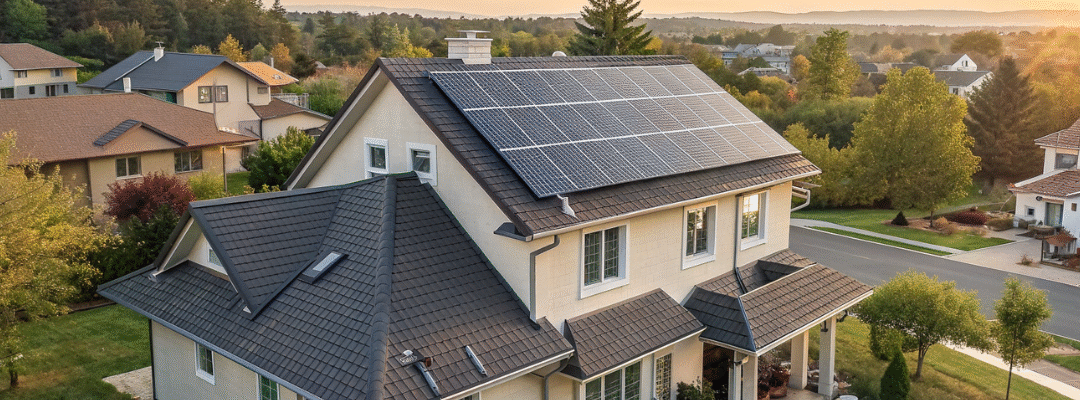
The market for solar energy has witnessed exponential growth over the past decade, thanks to technological advancements that have improved solar panel efficiency and decreased the overall costs of solar installations. Today, solar power is no longer just a niche market; it has become a mainstream solution for homeowners seeking to reduce their carbon footprint and save on energy bills.
Costs of Solar Panel Installation on Hillside Homes
1. Installation Complexity
Installing solar panels on hillside homes can be more challenging because of sloped roofs, uneven ground, and limited access. These factors may need extra labor or special equipment, which can make the installation more expensive than on flat roofs.
2. Structural Considerations
The structural integrity of the hillside home is paramount. Homeowners may need to invest in reinforcements to support the weight of solar panels or mitigate potential risk factors like erosion. Addressing these concerns can further increase the overall cost of the project.
3. Type and Quality of Panels
The type of solar panels selected—monocrystalline, polycrystalline, or thin-film—affects the overall cost. Monocrystalline panels tend to be more efficient and durable, but they also come at a premium. Homeowners should evaluate their energy needs, budget, and long-term goals before making a decision.
4. Government Incentives
Fortunately, many regions offer incentives for homeowners who invest in solar energy. Federal tax credits, state rebates, and local grants can significantly reduce the upfront costs, making solar panels more financially accessible. Homeowners should research available incentives in their area to fully understand their financial obligations and potential savings.
Benefits of Solar Panels on Hillside Homes
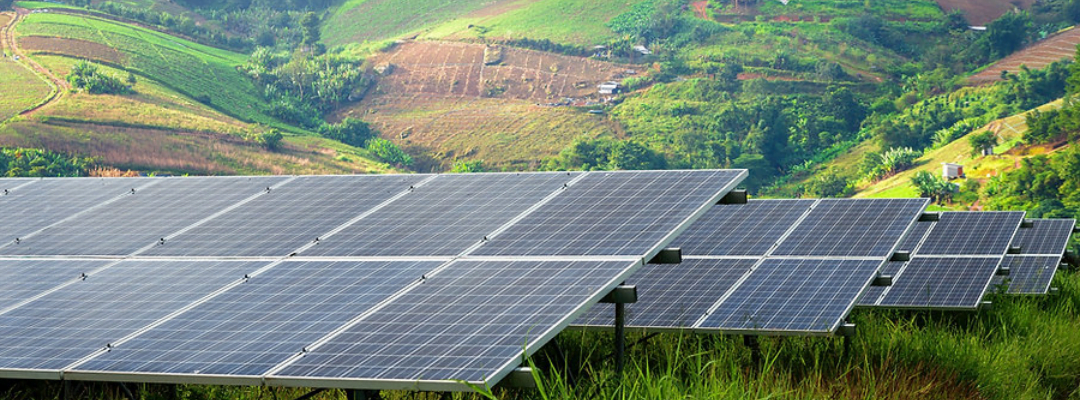
While installing solar solutions for home on hillside properties involves some additional considerations, several unique benefits can make the investment highly worthwhile.
1. Unobstructed Sunlight Access
Hillside homes often enjoy sweeping views that can keep them elevated above surrounding structures. This positioning can lead to higher solar energy production since sunlight is less likely to be obstructed by neighboring buildings or vegetation.
2. Aesthetic Integration
Properly designed solar installations can blend seamlessly with the architecture of hillside homes. Innovative mounting systems can conform to challenging angles without overwhelming the property’s design, maintaining its aesthetic appeal.
3. Increased Property Value
More homeowners are looking for eco-friendly homes with sustainable energy solutions. The addition of solar panels can potentially increase property value, making hillside homes even more attractive to prospective buyers.
4. Sustainable Energy Independence
Hillside homes often face challenges with utility access and service reliability. By generating their electricity, homeowners can attain a degree of energy independence, mitigating the risk of power outages and fluctuations in energy costs.
Considerations for Homeowners
Homeowners with hillside properties should keep the following considerations in mind when planning to install solar panels:
Site Assessment: Conduct a thorough assessment to determine the best locations for panel installation, taking into account shading, orientation, and available roof space.
Professional Consultation: Engage with experienced solar installation professionals who have knowledge of hillside installations. They can provide valuable insights and recommendations tailored to specific site conditions.
Long-Term Maintenance: Consider the maintenance needs of a hillside solar system, such as regular cleaning and inspections, to ensure maximum performance and longevity.
Conclusion
Investing in solar panels for hillside homes can be a worthy endeavor, offering the potential for significant energy savings and contributing to environmental sustainability. While the costs may be higher and installation may present unique challenges, the benefits—such as energy independence, increased property value, and enhanced aesthetic appeal—are compelling. By weighing these factors and seeking expert advice, hillside homeowners can make informed decisions and harness the sun's power to their advantage.
The Jharkhand government has introduced an attractive solar panel subsidy to encourage residential homeowners to adopt renewable energy. The subsidy scheme offers up to 40% financial assistance for installing on-grid solar systems (up to 3 kW capacity). However, due to administrative processes, many applicants face challenges in availing of these benefits.
To implement the scheme, the Jharkhand Renewable Energy Development Agency (JREDA) works through approved vendors. This ensures that solar panel in Jharkhand installations meet quality standards and government compliance.
Eligibility for Solar Subsidy in Jharkhand
Homeowners are eligible for the subsidy.
Tenants can apply with permission from their landlord.
The system must be installed through an empaneled vendor approved by JREDA.
The applicant must follow the standardized procedures set by the government.
Key Components of a Solar System
1. Solar Panels
Solar panels are the heart of a solar system, converting sunlight into electricity. There are different types available:
Bifacial Solar Panels (capture sunlight from both sides, optimal for rooftop installations)
2. Solar Inverter
Since solar panels generate DC power, a solar inverter is required to convert DC into AC, making it usable for household appliances. Common inverter sizes range from 3 kW to 10 kW.
3. Solar Battery (Optional)
Batteries store excess power for use during nighttime or cloudy days. While on-grid systems do not require batteries, they can be useful in areas with frequent power cuts.
4. Mounting Structure & Wiring
A strong mounting structure ensures optimal placement of the panels for maximum sunlight exposure, while high-quality wiring ensures efficiency and safety.
5. Charge Controller (If Using Batteries)
This device regulates power flow to prevent overcharging and extend battery life.
How to Apply for Net Metering in Jharkhand
Net metering is crucial for homeowners to sell surplus electricity to the DISCOM, reducing their electricity bills. Here’s the step-by-step process:
Visit the JREDA Website – Apply for a net meter through the official portal.
Fill Out the Application Form – Provide details about your solar system.
Submit the Form – Upload necessary documents.
Await Approval – DISCOM will review and approve your request.
Installation & Inspection – After approval, install the system and request a DISCOM inspection.
Activation & Benefits – Once installed, start earning from surplus electricity.
Types of Rooftop Solar Systems
1. On-Grid Solar System
Connected to the electricity grid.
Reduces electricity bills by up to 80%.
Allows homeowners to sell excess power back to DISCOM.
Most recommended for urban households.
2. Off-Grid Solar System
Ideal for remote areas with unreliable electricity.
Uses batteries to store energy for nighttime or power outages.
Does not allow selling surplus power to the grid.
3. Hybrid Solar System
Combines the features of both on-grid and off-grid systems.
Includes battery backup for emergencies.
Enables surplus energy sale to DISCOM.
Recommended for households seeking energy independence.
Solar Panel Subsidy Schemes in Jharkhand
1. Central Government Subsidy (DBT Model)
Direct Bank Transfer (DBT) – The subsidy amount is credited directly into the applicant’s bank account.
Available through the National Solar Portal.
Processing time: Within 30 days of system commissioning.
2. Jharkhand State Government Subsidy
Provides an additional 50% discount on installation costs.
Available only for homeowners (tenants need landlord approval).
This subsidy is separate from the central subsidy.
Solar Panel Subsidy Pricing in Jharkhand
Capacity
Central Subsidy
State Subsidy
2 KW
₹29,176
₹X (Varies)
3 KW
₹43,764
₹X (Varies)
4 KW
₹51,058
₹X (Varies)
5 KW
₹58,352
₹X (Varies)
6 KW
₹65,646
₹X (Varies)
7 KW
₹72,940
₹X (Varies)
8 KW
₹80,234
₹X (Varies)
9 KW
₹87,528
₹X (Varies)
10 KW
₹94,822
₹X (Varies)
Step-by-Step Process to Apply for Solar Subsidy
Step 1: Schedule a Site Survey
Book an engineer visit through an approved vendor to assess the feasibility.
Step 2: Finalize the System & Costs
Choose the right capacity and system type based on your power needs and budget.
Step 3: Purchase & Install the Solar System
Buy the system through an approved installer and complete the installation.
Step 4: Apply for Net Metering
Submit the required documents to JREDA and DISCOM for net meter approval.
Step 5: Receive Subsidy in 30 Days
Once installation and inspection are completed, the subsidy amount is transferred within 30 days.
Why Choose Solar Energy in Jharkhand?
Reduce Electricity Bills – Solar power can cut bills by up to 80%.
Earn Money from Excess Power – Sell surplus electricity to the grid.
Environmentally Friendly – Contributes to a cleaner and greener future.
Government Backed Financial Support – Avail attractive subsidies and incentives.
The Indian government has taken a significant step towards promoting solar energy adoption with the approval of Rs. 75,021 crore under the ‘PM-Surya Ghar: Muft Bijli Yojana’ in February 2026. This initiative aims to provide financial assistance for rooftop solar panel installations, helping households transition to renewable energy.
If you’re a resident of West Bengal, understanding the eligibility criteria, required documents, and application process is crucial to benefit from this scheme. This guide will walk you through everything you need to know about the solar subsidy in West Bengal in 2026.
Why Switch to Solar in West Bengal?
The electricity rates in West Bengal continue to rise, making solar energy an attractive alternative:
With power costs increasing annually, investing in solar energy can help reduce dependency on the grid and lower monthly electricity bills. To encourage this transition, the government is offering a subsidy of up to Rs. 78,000 for eligible homeowners.
West Bengal Solar Subsidy for Rooftop Solar Systems
The solar subsidy amount depends on the capacity of the solar system installed. Here’s how much financial aid you can receive:
System Capacity (KW)
Solar Subsidy (Rs.)*
1 KW
Rs.30,000
2 KW
Rs.60,000
3 KW or above
Rs.78,000
This financial aid helps homeowners offset the upfront costs, making solar panel installation more accessible and affordable.
Eligibility Criteria for Solar Subsidy in West Bengal
To qualify for the solar subsidy program in 2026, applicants must meet the following criteria:
1. On-Grid Solar System Requirement
The subsidy applies only to grid-connected rooftop solar systems.
Off-grid solar plants are NOT eligible for this subsidy.
2. Use of DCR (Domestic Content Requirement) Solar Modules
The Ministry of New and Renewable Energy (MNRE) mandates the use of DCR-certified solar panels.
These panels must be manufactured in India (both solar modules and cells).
If non-DCR panels are used, the system will not qualify for the subsidy.
3. Installer Empanelment with WBSEDCL
The solar system must be installed by an MNRE-approved vendor.
The installer must be empanelled with WBSEDCL (West Bengal State Electricity Distribution Company Limited).
Using an unregistered installer will disqualify the applicant from receiving the subsidy.
4. General Requirements
The property owner and subsidy applicant must be the same person.
The electricity meter must be registered in the applicant’s name.
The applicant must be an Indian resident.
West Bengal Electricity DISCOMs & Subsidy Eligibility
In West Bengal, multiple DISCOMs (Distribution Companies) operate, but only WBSEDCL is registered with MNRE. This means that to receive a government subsidy, your electricity provider must be WBSEDCL.
List of DISCOMs in West Bengal:
West Bengal State Electricity Distribution Company Limited (WBSEDCL)
Durgapur Project Limited
Calcutta Electric Supply Corporation (CESC)
Role of Solar Installers in Claiming Your Solar Subsidy
As per MNRE guidelines, only an empanelled solar installer can help you apply for and receive the subsidy.
WBSEDCL is the sole MNRE-registered DISCOM in West Bengal.
Your chosen solar installer will handle the documentation and submit the necessary forms for direct bank transfer of the subsidy amount.
How to Apply for Solar Subsidy in West Bengal?
Step 1: Choose a MNRE-approved and WBSEDCL-registered solar installer.
Step 2: Submit an application through the official WBSEDCL portal or National Rooftop Solar Portal.
Step 3: Await verification and site inspection approval from WBSEDCL.
Step 4: Install the solar system upon approval.
Step 5: Post-installation, WBSEDCL will inspect and validate the system.
Step 6: The subsidy amount is credited directly to your bank account.
Benefits of Installing Solar Panels Under This Scheme
Lower electricity bills with free solar power generation.
Despite being a major coal producer, Odisha is taking bold steps toward renewable energy, aiming to increase solar adoption and reduce dependency on conventional power sources.
Odisha’s solar potential & renewable energy policy
The best way to apply for solar subsidies & incentives
Solar Subsidy in Odisha – Government Schemes & Financial Assistance
Unlike some Indian states, Odisha does not offer an independent state-level subsidy for solar panel installations. However, homeowners can still take advantage of the Central Government’s Financial Assistance (CFA) under the PM Surya Ghar Yojana, which offers up to 40% subsidy on rooftop solar systems.
Who Can Apply? Any residential consumer in Odisha.
How to Apply? Visit the National Portal for Rooftop Solar to submit your application and track the status online.
Subsidy Structure for Rooftop Solar in Odisha (2025)
Solar Capacity
Subsidy Amount (₹)
1 kW - 2 kW
₹30,000 per kW
3 kW
₹78,000
Above 3 kW
Fixed ₹78,000
Solar Potential of Odisha – Is It Worth Investing?
With 280-300 sunny days annually and an average irradiation level of 4.5-5.0 kWh/m²/day, Odisha is ideal for solar energy.
Solar Energy Facts About Odisha:
Estimated solar potential: 170 GW (including mining & industrial wastelands).
Floating solar capacity: Up to 6.7 GW from 125+ reservoirs.
Current installed solar capacity: 460 MW (expected to grow rapidly).
Recent Government Partnerships: Odisha's GRIDCO has partnered with NHPC to develop 1 GW of solar projects within the state.
Odisha Renewable Energy Policy – What’s Changing in 2025?
The Odisha Renewable Energy Policy (2022-2030) focuses on scaling up solar energy adoption. Here are the key incentives introduced by the government:
50p/unit exemption on electricity duty for self-consumed solar power.
Zero stamp duty & registration fees for solar projects.
Government land availability for solar installations.
Incentives for floating & canal-top solar plants.
Faster approvals & a single-window clearance system for solar projects.
Home Solar Panel Prices in Odisha (2025) – Cost Breakdown
The cost of solar panels in Odisha varies based on the panel type, brand, installation charges, and government subsidies. Below is an estimated price range:
Solar Capacity
Estimated Cost (₹)
Subsidy (₹)
Final Cost After Subsidy (₹)
1 kW
₹75,000 – ₹85,000
₹30,000
₹45,000 – ₹55,000
2 kW
₹1,50,000 – ₹1,70,000
₹60,000
₹90,000 – ₹1,10,000
3 kW
₹1,89,000 – ₹2,15,000
₹78,000
₹1,11,000 – ₹1,37,000
5 kW
₹3,10,000 – ₹3,50,000
₹78,000
₹2,32,000 – ₹2,72,000
How to Apply for Solar Subsidy in Odisha – Step-by-Step Guide
Step 1: Visit the National Portal for Rooftop Solar (www.pmsuryaghar.gov.in) and register your details.
Step 3: Await technical feasibility approval from your local DISCOM (electricity provider).
Step 4: Install your solar system through an empanelled vendor.
Step 5: After installation, the system will be inspected, and a net meter will be installed.
Step 6: Subsidy will be credited to your bank account within 30 days of approval.
Frequently Asked Questions
What Are the Key Benefits of Installing Solar Panels in Odisha?
Save up to 80% on your electricity bills.
Minimal maintenance costs with a 25+ year lifespan.
40% subsidy available for residential solar users.
Net metering enabled for selling excess solar energy.
Increases property value by 3-5%.
Reduces carbon footprint, contributing to India’s Net Zero goal.
How Much Space Do I Need for a Rooftop Solar Installation?
A 1 kW rooftop solar plant requires 100-130 sq. ft of shadow-free space.
Advanced Solar Roofing Solutions: Synergy Solar’s InRoof technology requires only 60-65 sq. ft per kW by integrating solar panels into the roof structure.
Does Odisha Offer Net Metering?
Yes, Odisha offers net metering, allowing you to sell excess solar power back to the grid.
What Is the Payback Period for Solar Panels in Odisha?
The payback period depends on system size, electricity rates, and sunlight availability but typically ranges from 4-6 years. After that, you enjoy free electricity for over 20 years!
With abundant sunlight, Uttarakhand offers an excellent opportunity for households to harness solar energy, reducing electricity costs and ensuring power backup during outages. The state government, in collaboration with the central government, has introduced a solar panel subsidy in Uttarakhand, running from November 2023 to 2028. The initiative aims to achieve a total solar capacity of 2,000 MW, making renewable energy more accessible and affordable for residents.
Understanding Solar System Components
Essential Parts of a Solar Setup
A solar energy system consists of several key components, each playing a vital role in energy production and storage:
Solar Panels: Convert sunlight into electricity.
Inverter: Converts DC electricity from panels into usable AC power.
Batteries (if applicable): Store excess power for later use.
Wiring & Connections: Ensure safe and efficient energy transmission.
Why Proper Wiring is Essential
Proper wiring is crucial for connecting your solar panels with the inverter and battery storage. It ensures seamless energy transmission, minimizes energy losses, and enhances system efficiency.
How to Apply for Net Metering in Uttarakhand
Net metering allows solar panel owners to sell excess electricity back to the grid, helping them earn credits on their electricity bills. Here’s how you can apply:
Register on the Uttarakhand Power Corporation Ltd (UPCL) Portal.
Complete the online application for net metering.
UPCL evaluates the application for technical feasibility.
Receive a No Objection Certificate (NOC) if approved.
Submit a signed Power Purchase Agreement and proceed with the installation.
This system promotes renewable energy use while ensuring financial benefits for solar adopters.
Types of Rooftop Solar Systems
1. On-Grid Solar System
Best for: Urban areas with a stable power supply.
Benefits: Reduces electricity bills by up to 80%.
How it works: Directly connected to the power grid; excess energy is sold back to DISCOM.
2. Off-Grid Solar System
Best for: Rural or remote areas with frequent power outages.
Benefits: Provides energy independence with battery storage.
How it works: Stores solar power in batteries for later use, ensuring continuous power supply.
3. Hybrid Solar System
Best for: Households looking for energy security and savings.
Benefits: Combines the advantages of on-grid and off-grid systems.
How it works: Uses batteries for backup while selling excess energy to the grid.
Experts recommend hybrid solar systems as the ideal solution for both cost savings and energy reliability.