For years, many Indian homeowners hesitated to install solar due to the long payback period — often 7–8 years or more. But 2024 has changed the game. Thanks to falling solar panel costs, government subsidies, and improved system efficiency, the payback period for residential rooftop solar has dropped to just 3–5 years in many cases. This means quicker returns and decades of free electricity.
What Is the “Payback Period” in Solar?
The payback period means the time it takes to recover the money you spent on your solar system through savings on your electricity bill.
For example:
If your solar system costs ₹1,50,000
And it saves you ₹30,000 every year on bills
Your payback period = ₹1,50,000 ÷ ₹30,000 = 5 years
After that, your electricity is almost free for another 15–20 years!
The Good News: Solar Payback Is Now Faster Than Ever
In the past, it used to take 7–8 years to recover your solar investment.
But in 2024, things have changed. Now, most homeowners get their money back in just 3 to 5 years.
Here’s why:
1. Big Government Subsidies
The Indian government now gives:
Up to 60% subsidy for rooftop solar (for up to 3 kW systems)
Direct money transfer to your bank account
Available under the PM Surya Ghar: Muft Bijli Yojana
A system that costs ₹1.8 lakh could cost just ₹72,000 after subsidy.
2. Higher Electricity Bills = Faster Savings
Electricity prices are rising. That means:
The more you pay on your current bill, the faster you save
If your monthly bill is ₹5,000, you could save ₹60,000+ per year with solar
3. Net Metering = Extra Savings
Net metering lets you:
Send extra solar electricity to the grid
Get credits for it
Reduce your monthly bill to ₹0 or even earn credits
4. Better Solar Technology
More efficient panels now generate more power in less space
Smart inverters help track usage and improve performance
Panels now last 25–30 years with minimal maintenance
Real-Life Example
Family: Sharma Family, Jaipur System Size: 4 kW Cost after subsidy: ₹1.2 lakh Monthly Bill Before: ₹5,500 Monthly Bill After: ₹200 Payback Period:~2.5 years Total Lifetime Savings (25 years): ₹12–14 lakhs
“We were surprised how fast we saved money. It paid for itself in under 3 years,” – Mr. Sharma
For most middle-class Indian families, rising electricity bills are a major monthly expense. With power tariffs increasing every year, households paying ₹3,000–₹8,000 per month on electricity are looking for long-term savings and energy independence.
Rooftop solar has emerged as one of the smartest financial decisions. Thanks to government subsidies, falling equipment costs, and shorter payback periods, solar is no longer just an eco-friendly choice — it’s an economic necessity.
How Much Does Solar Cost for a Home?
As of 2025:
System Cost (before subsidy): ₹45,000–₹55,000 per kW
Government Subsidy (PM Surya Ghar Yojana):
40% for up to 3 kW
20% for 4–10 kW
Effective Cost (after subsidy): ₹30,000–₹35,000 per kW
Example:
A 5 kWsystem → Gross ₹2.4–₹2.7 lakh → Net Cost ₹1.5–₹1.7 lakh (after subsidy).
Typical Middle-Class Consumption and Solar Sizing
2–3 BHK flat / small independent house: ~3–5 kW system
Electricity Bill: ₹3,500–₹7,000/month
Savings: 70–100% reduction in monthly bills
A 4 kW rooftop system can generate 500–600 units/month, enough to power lights, fans, refrigerators, TVs, laptops, and a couple of ACs.
The Payback Period
Payback time (after subsidy): 3–5 years
System life: 25 years
Annual Savings: ₹50,000–₹80,000
Lifetime Savings: ₹10–15 lakhs per household
That means after the initial payback, families enjoy two decades of nearly free electricity.
Financing Options for Middle-Class Families
The government and banks are making solar more accessible:
Green Home Loans: Reduced interest rates for solar adoption (SBI, HDFC, Bank of Baroda).
EMI Options: Monthly installments can be as low as your current electricity bill.
Direct Benefit Transfer (DBT): Subsidy credited straight into your bank account.
Beyond Money: Environmental & Lifestyle Benefits
Each 1 kW of solar = saves 1.2 tons of CO₂ per year (like planting 50 trees).
Protection from rising power tariffs.
Higher property value – solar homes sell faster and at better prices.
Independence during power cuts (with optional battery backup).
Case Example: A Middle-Class Family in Lucknow
Family Size: 4 members in a 3 BHK
Electricity Bill Before Solar: ~₹6,000/month
System Installed: 4 kW rooftop solar
Investment (after subsidy): ₹1.4 lakh
New Monthly Bill: ₹200–₹300
Payback Period: 3.8 years
Lifetime Savings: ~₹12 lakh
“We treated solar as an investment, like an FD. But unlike an FD, it saves us money every month and protects us from rising bills,” says Mr. Sharma, homeowner.
Key Considerations for Families
Ensure shadow-free roof space (90–100 sq. ft. per kW).
Work with MNRE-approved installers to claim subsidies.
Opt for Tier-1 panels (Tata, Vikram, Adani, Waaree).
Check for net metering availability in your state.
Sign an AMC (Annual Maintenance Contract) for long-term efficiency.
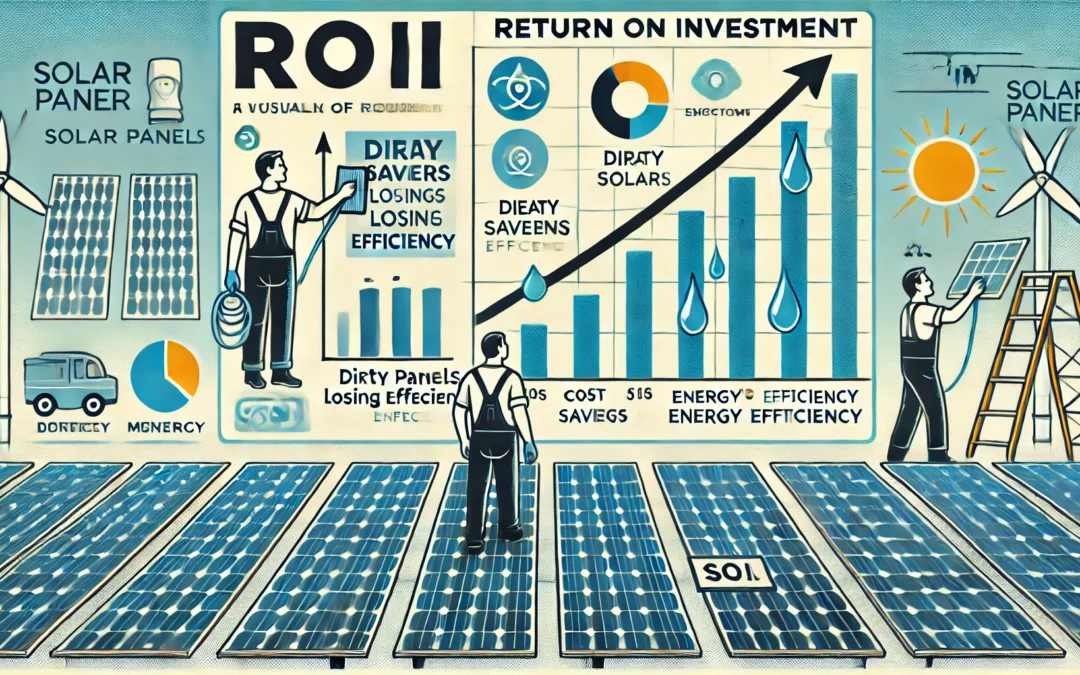
Calculating the Return on Investment (ROI) for a solar panel cleaning system is essential for any solar energy user or facility manager aiming to maximize long-term energy output and financial returns. Over time, solar panels accumulate dust, dirt, bird droppings, and other environmental debris that can reduce their energy efficiency by 10% to 30%—especially in high-dust or industrial areas.
At SynergySolar, a leading solar panel company, we understand that even the best solar installations need regular maintenance to perform at peak levels. Investing in a professional or automated solar panel cleaning system not only restores lost energy production but also extends the life of your panels, ensuring better financial returns on your renewable energy investment.
By maintaining clean panel surfaces, a solar cleaning system helps recover lost efficiency and ensures consistent energy generation—resulting in higher savings and a faster payback period.
1. Calculate the Cost of the Solar Panel Cleaning System
Start by determining the total investment required for the solar panel cleaning system. This includes:
Initial cost of the system: The cost of the cleaning equipment (manual, semi-automatic, or automatic).
Installation Charges: If it's an automated cleaning system, installation costs must be considered.
Operational and maintenance costs: Include water, electricity, labor (if applicable), and routine maintenance.
Formula:
Total Investment Cost = Cleaning System Cost + Installation Cost + Annual Operational Costs
2. Estimate the Energy Loss Due to Dirty Panels
Determine the energy loss percentage caused by dirt accumulation. Solar panels typically lose between 10% to 25% efficiency depending on environmental conditions like dust, pollution, or bird droppings.
For example, if your panels lose 15% efficiency due to dirt, and you’re producing 10,000 kWh annually, your lost energy output would be:
Lost Energy = 10,000 kWh × 0.15 = 1,500 kWh/year
3. Estimate the Energy Gain After Cleaning
Once you install a cleaning system, you can expect to regain the lost energy. Calculate the additional energy generated due to maintaining clean panels.
Energy Gain After Cleaning = Lost Energy
4. Calculate the Monetary Value of Energy Gain
To convert the additional energy into financial savings, use the local electricity rate (typically expressed as the cost per kWh).
If the local rate is $0.10 per kWh:
Annual Savings = Energy Gain After Cleaning × Electricity Rate
The payback period is the time it will take for the savings from the cleaning system to cover the initial investment.
Payback Period = Total Investment Cost / Annual Savings
If your total cleaning system cost is $1,000, and you save $150 annually, the payback period would be:
Payback Period=1,000/150 = 6.67 years
6. Calculate ROI
ROI is calculated by comparing the net returns (total savings over a period minus the initial investment) to the initial investment.
ROI = Total Savings Over Period − Total Investment Cost / Total Investment Cost ×100
If you expect the cleaning system to last for 10 years, your total savings over that period would be:
Total Savings Over 10 Years = 150 USD/year × 10 = 1,500 USD
Thus, the ROI would be:
ROI = 1,500−1,000 / 1,000 × 100=50%
7. Additional Considerations
Panel size and location: Larger solar installations in dusty or pollution-prone areas will see higher energy losses, which means more potential savings from regular cleaning.
Cleaning frequency: The frequency of cleaning (monthly, quarterly, etc.) will influence both operational costs and the amount of energy regained.
Degradation over time: Panels degrade naturally over time, but regular cleaning can help slow efficiency loss, which should be factored into long-term ROI calculations.
Solar power systems and daylighting can complement each other to enhance energy efficiency and sustainability in buildings. Here's how:
Harnessing natural light and renewable energy can significantly elevate a building’s energy performance. By integrating solar power systems with daylighting solutions, homeowners and businesses in India can achieve remarkable energy efficiency, sustainability, and cost savings. Here's how this powerful combination works:
1. Enhanced Energy Efficiency with Dual Solutions
Both solar energy and daylighting contribute to reducing overall energy consumption:
Daylighting systems minimize dependence on artificial lighting during daylight hours by maximizing natural illumination.
Solar panels convert sunlight into usable electricity to power other essential appliances and systems in the building. This dual approach reduces the need for conventional energy sources, cutting down on utility bills and operational costs.
2. Peak Power Generation and Savings
Solar energy production peaks during the day, the same time daylighting systems are most effective. For businesses using commercial solar solutions, this alignment offers a unique advantage such as:
Reduces electricity drawn from the grid during peak demand hours
Supports efficient use of solar-generated power for lighting, cooling, and equipment usage
Leads to significant cost savings on monthly energy expenses
3. Optimized Building Design for Performance and Aesthetics
Combining daylighting systems such as skylights, solar tubes, or light shelves with rooftop solar panels:
Enhances architectural value
Makes optimal use of roof space for energy generation
Improves indoor environments by promoting natural lighting and ventilation This integrated design approach increases the property’s green building rating and overall resale value.
4. Environmental Impact Reduction
Using daylighting and solar energy together drastically reduces dependence on non-renewable energy sources, resulting in:
Lower greenhouse gas emissions
Reduced carbon footprint of the building
Compliance with green building certifications like LEED, GRIHA, and other sustainability standards
5. Reliable Power Even Beyond Daylight Hours
Modern solar systems with battery storage allow surplus electricity to be stored during sunny hours and used:
During nighttime
On cloudy days
In emergency backup scenarios This ensures a consistent and uninterrupted power supply, even when natural light is unavailable.
This combination results in a highly sustainable energy solution for homes and commercial spaces.
Solar energy is booming in today’s world towards a greener future. Switching to solar energy is an increasingly popular choice for homeowners and businesses looking to reduce their carbon footprint and save on energy costs. However, the initial investment can be significant, making it crucial to find ways to cut costs and maximize savings to achieve a favourable return on investment (ROI). Investing in solar panels is a smart financial decision that offers substantial long-term savings and a strong ROI. By carefully selecting the right solar panels, leveraging incentives, optimizing system performance, and maintaining your setup, you can significantly cut costs and improve your overall savings. Embrace these strategies to harness the full potential of solar energy, reduce your energy expenses, and contribute to a more sustainable future.This guide will explore practical strategies to reduce expenses, take advantage of available incentives, and optimize the performance of your solar panel system, ensuring you get the most out of your investment.
Table of Contents:
S.No
TOPICS
1
Conduct a Thorough Assessment
2
Choose the Right Solar Panels
3
Take Advantage of Incentives and Rebates
4
Select a Reputable Installer
5
Optimize Panel Placement and Angle
6
Invest in Energy Storage Solutions
7
Monitor and Maintain Your System
8
Educate Yourself on Solar Financing Options
9
Energy Efficiency Improvements
Conduct a Thorough Assessment
Before diving into the world of solar energy, conduct a thorough assessment of your energy needs and property suitability. This involves:
Energy Audit: Analyze your current energy consumption to determine the size of the solar panel system you need.
Site Evaluation: Assess the location, roof condition, and angle to ensure maximum sunlight exposure.
Technology: Choose the technology suited to maximize the greener energy based on your requirements.lease reply only for gatepass
Choose the Right Solar Panels
Selecting the right type of solar panels can significantly impact your costs and savings. Consider the following:
Panel Efficiency: Higher efficiency panels might have a higher upfront cost but can produce more energy, leading to greater savings in the long run.
Durability and Warranty:Opt for panels with longer warranties and proven durability to reduce replacement and maintenance costs.
Take Advantage of Incentives and Rebates
Governments and local authorities often provide various incentives to encourage solar adoption. These can substantially reduce your initial investment:
Federal Tax Credits: In many countries, including the US, federal tax credits can cover a significant portion of the installation costs.
State and Local Rebates:Check for state-specific rebates and local incentives.
Net Metering Programs: These programs allow you to sell excess electricity back to the grid, further offsetting costs.
Select a Reputable Installer
Choosing a reputable and experienced solar installer can save you money and ensure your system is set up correctly:
Get Multiple Quotes:Compare quotes from different installers to get the best deal.
Check Reviews and References:Ensure the installer has a good track record and positive customer feedback.
Optimize Panel Placement and Angle
Proper placement and angle of your solar panels can maximize energy production and savings:
Southern Exposure: In the Northern Hemisphere, panels should ideally face south to capture the most sunlight.
Angle Adjustment: The angle of your panels should match your latitude for optimal performance.
Invest in Energy Storage Solutions
Energy storage solutions like batteries can significantly improve your savings by storing excess energy for use during peak hours or at night:
Battery Systems:While they involve additional costs, batteries can enhance your energy independence and reduce reliance on the grid.
Time-of-Use Rates:Utilize stored energy during peak hours when electricity rates are higher to maximize savings.
Monitor and Maintain Your System
Regular monitoring and maintenance ensure your system operates at peak efficiency:
Monitoring Systems: Invest in a good monitoring system to track energy production and identify issues early.
Regular Cleaning and Inspection: Keep panels clean and inspect them periodically for any damage or wear.
Educate Yourself on Solar Financing Options
Financing your solar panel system wisely can improve your ROI:
Loans and Leases: Compare the pros and cons of solar loans versus leasing options.
Power Purchase Agreements (PPAs):These agreements allow you to pay for the energy produced by the panels at a lower rate than your utility.
Energy Efficiency Improvements
Before and after installing solar panels, focus on energy efficiency improvements in your home to reduce overall energy consumption:
Insulation and Weatherization:Proper insulation and sealing of your home can reduce energy wastage.
Energy-Efficient Appliances: Upgrade to energy-efficient appliances to lower your energy needs.
Understanding how to calculate the Return on Investment (ROI) for a solar power plant is essential for anyone considering a solar energy project—whether it's a rooftop setup or a large-scale commercial installation. ROI helps assess the long-term financial performance of your solar investment, taking into account costs, energy savings, incentives, and ongoing maintenance.
If you are working with a professional solar panel installation company, they can assist in accurate ROI projections and ensure maximum system performance.
Step-by-Step: How to Calculate ROI for a Solar Power Plant
Assess Total Initial Investment (CAPEX)
This includes all upfront costs required to install the system:
Solar Equipment & Installation: Panels, inverters, batteries (if any), mounting structures, and labor
Permits & Compliance: Government or utility approval fees and inspection charges.
Financing Costs: Interest or fees if the system is financed through a loan or lease.
Estimate Annual Energy Savings & Income
This is the amount of money the solar system will help you save or earn each year:
Electricity Bill Savings: Multiply the system's annual energy generation (in kWh) by the local electricity tariff.
Government Incentives: Include subsidies, tax credits, or capital subsidies from central/state governments.
Export Earnings (Optional): If you're exporting surplus power to the grid, calculate income via feed-in tariffs or Power Purchase Agreements (PPAs).
Account for Annual Operating Costs (OPEX)
Although solar systems are low-maintenance, they do involve ongoing costs:
Maintenance & Cleaning
Inverter Repairs or Replacements
Insurance Premiums
Monitoring Services (if any)
Subtract these recurring expenses from your annual savings to get the net benefit.