India has pledged 500 GW of non-fossil capacity by 2030, with solar expected to contribute over half of this target. But today, India depends heavily on imports of PV cells, wafers, modules, and critical raw materials, leaving the sector vulnerable to global price fluctuations and supply disruptions.
To achieve true energy independence, India must build a self-reliant solar supply chain that spans manufacturing, R&D, raw materials, and exports.
India’s Current Solar Supply Chain Landscape
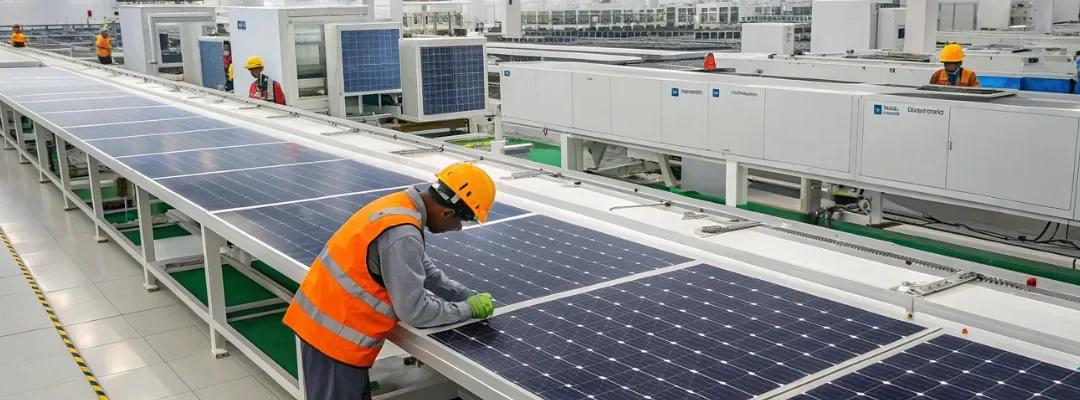
Imports Dominate → India imports the bulk of cells and modules, mostly from China and Southeast Asia.
Limited Domestic Capacity → Module manufacturing has grown (~40+ GW), but cell and wafer production is still limited.
Raw Material Gaps → Polysilicon, EVA sheets, and solar-grade glass are largely imported.
Surging Demand → With rooftop + utility-scale projects booming, India needs a reliable and affordable supply of components.
Key Challenges Hindering Self-Reliance
High Capital Costs → Building polysilicon and cell facilities requires billions in investment.
Technology Gaps → India lags in advanced PV technologies like TOPCon and HJT.
Fragmented Supply Chain → Lack of integration between wafer → cell → module → inverter → storage.
Skilled Workforce Shortage → Need for technicians trained in advanced solar manufacturing.
China → Built integrated clusters for polysilicon, wafers, cells, and modules backed by large-scale R&D.
United States → The Inflation Reduction Act provides tax credits and manufacturing incentives.
European Union → The EU Green Deal emphasizes local supply chains and recycling.
India can blend these lessons with its unique strengths — abundant demand, skilled labor, and strong policy momentum.
Expert Insight
“India must not miss the solar manufacturing revolution. By investing in the entire value chain — from raw materials to exports — we can turn solar into both an energy and economic powerhouse.” — Dr. Ramesh Iyer, Solar Manufacturing Specialist
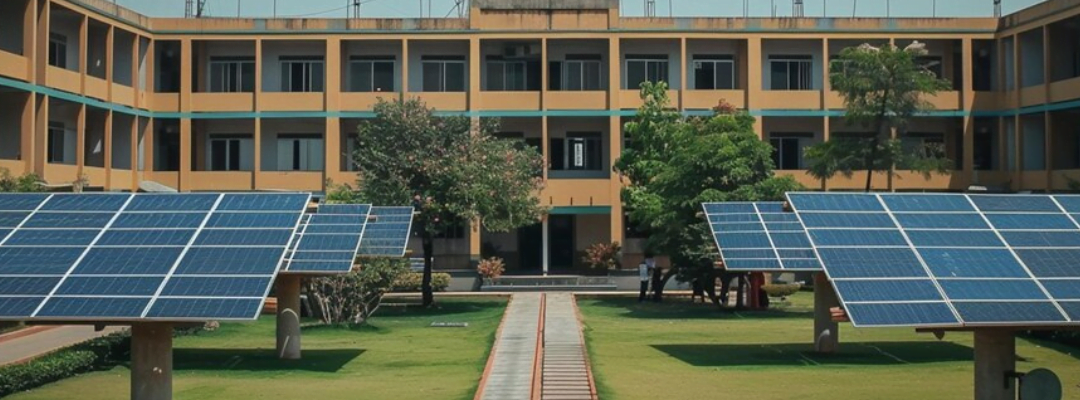
In today’s world, educational institutions have a significant role in leading the charge toward a sustainable future. One of the most effective ways schools can contribute to environmental conservation is by adopting solar energy. Solar panels not only offer a renewable energy source but also play a crucial role in reducing a school's carbon footprint, making them a compelling choice for institutions aiming to champion sustainability
Understanding Carbon Footprint
A carbon footprint is the total amount of greenhouse gases, particularly carbon dioxide, that are emitted into the atmosphere due to human activities. For schools, this includes energy consumption from heating, lighting, computers, and other electrical devices. The carbon emissions from these activities contribute to global warming and climate change, which have long-term detrimental effects on the environment. Transitioning to solar energy significantly reduces these emissions, paving the way for a cleaner and healthier planet.
Contribution to Climate Change Mitigation
Installing solar panels in schools plays a vital role in climate change mitigation efforts. As educational facilities account for approximately 4 percent of the total carbon emissions in the United States, transitioning to solar energy using commercial solar solutions can substantially lower this percentage and demonstrate a commitment to sustainable practices.
Improvement of Air Quality
The use of solar energy helps improve local air quality by displacing the need for power generated from conventional energy sources, such as coal and natural gas. Conventional power generation emits harmful pollutants that contribute to smog and respiratory issues, whereas solar energy production is clean and does not release harmful emissions into the atmosphere.
Significant Decrease in Emissions
By switching to solar power, schools can cut down their carbon dioxide emissions by a substantial margin. For instance, a medium-sized school installing a solar panel system capable of producing 50 kW can reduce carbon emissions by over 70,000 pounds annually. This reduction is equivalent to planting hundreds of trees each year or removing dozens of cars from the road.
Energy Independence and Reliability
Solar panels provide schools with energy independence, reducing their vulnerability to fluctuations in energy prices and supply disruptions. Moreover, during peak sunlight hours, schools can generate excess electricity, which can be stored in batteries or fed back into the grid, contributing to a more stable and sustainable energy system.
Long-term, schools that invest in solar panels contribute to an overall decrease in greenhouse gas emissions and promote a sustainable future. Solar energy systems not only provide immediate benefits in reducing carbon footprints, but they also catalyze community engagement in environmental initiatives.
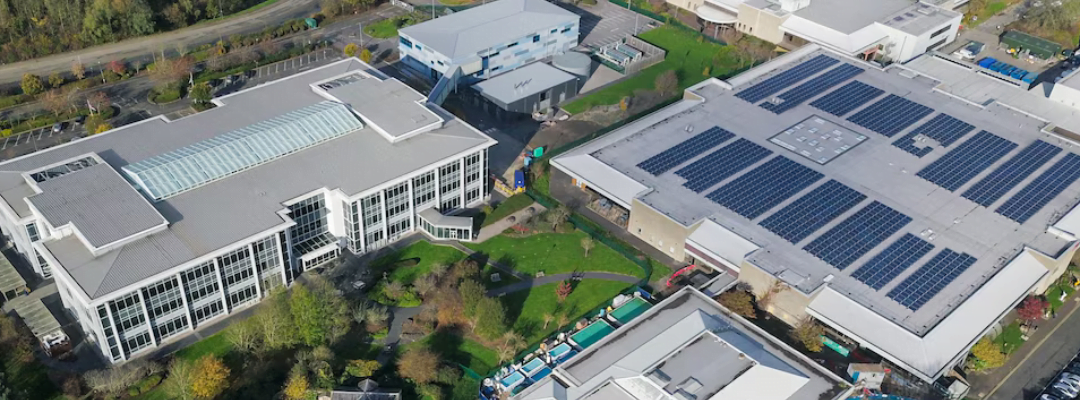
Solar power solutions for hotels and resorts provide sustainable energy options that reduce electricity costs, lower carbon footprints, and enhance eco-friendly practices, contributing to more sustainable and energy-efficient hospitality operations. Implementing commercial solar energy systems ensures consistent energy performance across large hospitality properties.
How Solar Panels Can Enhance Sustainability in Luxury Resorts?
Solar panels can enhance sustainability in luxury resorts by reducing energy consumption, lowering carbon emissions, and promoting eco-friendly practices while maintaining high-end guest experiences. These panels provide a renewable energy source that aligns with sustainability goals without compromising luxury.
Reducing Energy Costs and Carbon Footprints
Solar-powered hotels reduce energy costs and carbon footprints by harnessing renewable solar energy, lowering reliance on traditional electricity sources, and promoting sustainability while maintaining efficient hotel operations.
Benefits and Best Practices
Integrating solar energy into Commercial Industry like hotel operations offers benefits such as reduced energy costs, lower carbon emissions, and enhanced sustainability. Best practices include installing efficient solar systems, optimizing energy use, and leveraging solar power for both electricity and heating needs.
Elevating Guest Experience with Eco-Friendly Solar-Powered Amenities
It involves offering sustainable, energy-efficient features like solar-heated pools and solar-powered lighting, enhancing comfort while showcasing the hotel's commitment to environmental responsibility.
The Role of Solar Panels in Achieving Green Certifications for Resorts
Explores how installing solar panels helps resorts meet green certification standards by reducing energy consumption, lowering carbon emissions, and demonstrating a commitment to sustainability. It details how solar energy contributes to eco-friendly practices that support certifications such as LEED or Green Key, enhancing the resort's environmental credentials.
Innovative Solar Technologies Transforming the Hospitality Industry
It highlights how cutting-edge solar solutions are revolutionizing the hospitality sector. This includes advancements in solar panels, energy storage systems, and integrated solar amenities that enhance energy efficiency, reduce operational costs, and support sustainable practices, all while improving guest experiences and promoting eco-friendly initiatives.
Solar Energy Solutions for Hotel Heating and Cooling Systems
Explores how solar technology can be used to power heating and cooling systems in hotels, offering a sustainable alternative to traditional energy sources. By harnessing solar energy, hotels can reduce energy costs, lower carbon emissions, and enhance overall energy efficiency, contributing to a greener and more cost-effective operation.
How Solar Panels Can Boost the Appeal of Eco-Conscious Resorts?
Solar panels can boost the appeal of eco-conscious resorts by showcasing a commitment to sustainability, reducing energy costs, and enhancing environmental stewardship. Their use not only supports green practices but also attracts eco-minded travelers who prioritize eco-friendly accommodations, thereby increasing the resort's marketability and reputation.
Trends and Success Stories
Examines emerging trends in solar energy adoption within the hospitality industry and highlights successful case studies of hotels and resorts utilizing solar power. It explores how advancements in solar technology, innovative implementations, and positive outcomes are shaping a more sustainable and energy-efficient future for the sector.
Solar panels are transforming the future of cars by enabling vehicles to harness renewable energy, reduce fuel consumption, and lower carbon emissions, leading to cleaner and more sustainable transportation.
A Step Towards a Sustainable Automotive Industry
Highlights initiatives and innovations aimed at reducing environmental impact, including the adoption of electric vehicles, renewable energy sources, and eco-friendly manufacturing processes, driving the industry towards a greener future.
Innovations in solar panel integration for cars
Innovations in solar panel integration for cars are enhancing vehicle efficiency by utilizing solar energy to power systems, extend driving range, and reduce reliance on traditional fuels, contributing to a more sustainable and eco-friendly automotive industry.
How Solar Panels Can Revolutionize the Efficiency of Electric Vehicles?
Solar panels can revolutionize the efficiency of electric vehicles by harnessing sunlight to extend battery life, increase driving range, and reduce the need for frequent charging, making electric vehicles more practical and sustainable.
Challenges and Solutions in Solar Car Technology
Challenges and solutions in solar car technology address issues like limited energy capture, integration complexities, and cost, while exploring advancements in solar panel efficiency, lightweight materials, and innovative design to improve performance and feasibility.
Is It Worth the Investment?
The economics of solar-powered cars suggest that while the initial investment in solar technology can be high, it offers long-term benefits such as reduced fuel costs, lower maintenance, and potential incentives or rebates. As solar technology advances and becomes more cost-effective, the return on investment is likely to improve, making solar-powered cars increasingly worthwhile financially.
Exploring the Environmental Impact of Solar Integration in Automobiles
Exploring the environmental impact of solar integration in automobiles involves assessing how incorporating solar technology reduces greenhouse gas emissions, decreases reliance on fossil fuels, and lowers the overall carbon footprint of vehicles, contributing to a more sustainable and eco-friendly transportation system.
Enhancing Performance in the Automotive Industry
Next-gen solar panels are enhancing performance in the automotive industry by offering increased efficiency, improved energy conversion, and greater durability. These advancements enable vehicles to generate more power from sunlight, extend driving range, and integrate seamlessly into modern car designs, driving the future of sustainable transportation.
The Future of Charging Cars with the Power of the Sun
Explores how mobile solar technologies can provide convenient and sustainable charging solutions for electric vehicles, reducing dependence on traditional charging infrastructure and making clean energy more accessible for drivers.
A Pathway to Sustainable Manufacturing
Examines how incorporating solar energy into automated manufacturing processes can reduce energy costs, lower carbon emissions, and enhance overall sustainability, paving the way for greener and more efficient industrial practices.
How Solar Energy is Driving Efficiency in the Automation Industry?
Solar energy is driving efficiency in the automation industry by providing a renewable power source that reduces operational costs, decreases reliance on traditional energy grids, and supports sustainable manufacturing practices.
Innovative Solar Solutions for Powering Automated Systems
Explores cutting-edge solar technologies and their applications in powering automated systems. These solutions include advanced solar panels, energy storage, and smart grid integration, aimed at enhancing energy efficiency, reducing operational costs, and promoting sustainable practices in automated environments.
The Role of Solar Panels in Reducing Energy Costs for Automation Facilities
Highlights how integrating solar panels into automation facilities can significantly cut energy expenses by providing a renewable power source, reducing reliance on external electricity, and lowering overall operational costs while supporting sustainability goals.
Enhancing Industrial Automation with Solar-Powered Technologies
Examines how integrating solar power into industrial automation can boost efficiency, lower energy costs, and support sustainability. It covers advancements in solar technology that enable reliable and cost-effective energy solutions for automated processes and operations.
Overcoming Challenges in Implementing Solar Energy in Automated Industries
Addresses the obstacles faced when integrating solar power into industrial automation, such as high initial costs, technical compatibility issues, and energy storage requirements. It explores strategies and solutions to mitigate these challenges, facilitating smoother adoption and maximizing the benefits of solar energy in automated environments.
The Impact of Solar Panels on Automated Manufacturing Processes
Explores how integrating solar panels into manufacturing operations can enhance efficiency by reducing energy costs, improving energy reliability, and supporting sustainable practices. It highlights the ways solar energy optimizes automated processes and contributes to overall operational excellence.
Best Practices and Innovations
Focuses on effective strategies and cutting-edge advancements for integrating solar energy into automated systems. It outlines best practices for maximizing solar efficiency, optimizing energy use, and driving sustainability in automation, while showcasing innovations that enhance the reliability and performance of solar-powered technologies.
Integrating Solar Energy into Industrial Systems
Explores how solar energy is shaping the future of industrial automation by offering clean, renewable power solutions. It highlights advancements in solar technology, the benefits of reducing reliance on fossil fuels, and the role solar energy plays in creating more sustainable, energy-efficient industrial systems. The integration of an industrial solar system is central to this transformation.
Reducing Carbon Footprints in Automation with Solar Energy Solutions
Examines how solar power is helping automation industries lower their carbon emissions by providing a clean, renewable energy source. It highlights the environmental benefits, including reduced reliance on fossil fuels, and explores how solar energy contributes to more eco-friendly, sustainable automation practices.
As educational institutions face rising operational costs and tighter budgets, many schools and colleges are exploring innovative ways to cut electricity bills. One solution gaining traction is the installation of solar panels. Not only do solar panels align with sustainability goals, but they also offer significant cost savings over time. For instance, larger solar systems tend to yield a higher return on investment, ensuring that educational institutions can save substantial amounts on their utility bills.
Financial Benefits
The biggest advantage of adopting commercial solar energy solutions for schools and colleges is the potential for substantial cost savings. Educational facilities consume significant amounts of electricity for classrooms, laboratories, hostels, and administrative buildings. By switching to solar energy, institutions can slash their monthly utility bills by up to 70–90%.
While the initial investment in solar panels might appear substantial, it is essential to view it as a long-term financial strategy. Over the 25–30-year lifespan of a solar system, the return on investment (ROI) is extremely high, often allowing schools to recover installation costs within 5–7 years.
Long Term Savings and Stability
One of the key advantages of solar energy is the long-term financial stability it offers. Unlike traditional energy sources, which are subject to market fluctuations, solar energy provides a consistent and predictable source of power. This stability allows schools and colleges to better manage their budgets, with the added benefit of contributing to a reduction in carbon emissions.
Enhancing Sustainability and Brand Image
Beyond monetary savings, installing solar panels can enhance the sustainable image of educational institutions, making them more attractive to environmentally-conscious students and parents. Schools that demonstrate strong commitments to renewable energy practices often see improvements in student enrollment and community support, positioning themselves as progressive leaders in sustainability.
Increased Awareness and Educational Opportunities
Educational institutions can create hands-on learning experiences, such as developing solar-related projects or learning about energy efficiency, aligning with rising student and community advocacy for environmentally friendly practices1. Through this educational engagement, schools highlight their dedication to preparing students for future careers in popular and growing job sectors like solar energy
Environmental and Educational Impact
Beyond the financial benefits, adopting solar energy has a positive impact on the environment and the institution’s public image. Solar panels help reduce reliance on fossil fuels, decrease greenhouse gas emissions, and promote sustainability.
Implementation Challenges and Decisions
Schools must evaluate their specific energy needs and the suitability of their infrastructure for solar installations. As more institutions weigh the costs and benefits, the continued expansion of solar energy in schools promises to enhance both economic and educational outcomes.
When planning a solar farm project, choosing the right financing model is crucial. Two primary options dominate the landscape: Capital Expenditure (CAPEX) and Operational Expenditure (OPEX). Each model offers distinct advantages and trade-offs in terms of investment, ownership, risk, and long-term value.
This guide breaks down the key differences between CAPEX and OPEX models to help businesses, institutions, and investors make informed decisions based on their financial strategy, risk appetite, and energy goals.
What is the CAPEX Model?
CAPEX (Capital Expenditure) refers to a model where the business invests upfront in purchasing and installing the solar power system. This approach gives full ownership and long-term control over the energy asset.
Benefits of CAPEX:
Total Ownership & Operational Freedom
You fully control system operations, upgrades, and decisions — with no dependency on third-party providers.
Maximum Long-Term Savings
After recovering the initial investment (typically within 4–7 years), energy generation is virtually free, making this model ideal for long-term savings.
Access to Financial Incentives
Take advantage of tax credits, accelerated depreciation (like India's AD benefit), and government subsidies directly.
Asset Addition
The solar plant becomes part of your business’s asset base, contributing to valuation and potential resale value.
Flexibility
With no long-term service contracts, you retain freedom to modify, expand, or upgrade the system anytime.
Drawbacks of CAPEX:
High Initial Investment
Significant upfront capital is required for system procurement, installation, and commissioning. Financing may be necessary.
Ongoing Maintenance Responsibility
You must manage regular maintenance, system monitoring, and handle unexpected failures or downtimes.
Technology Risk & Depreciation
Over time, panel efficiency may degrade, and outdated tech might require costly upgrades.
What is the OPEX Model?
OPEX (Operational Expenditure) is a pay-as-you-go model where a third-party solar developer installs and maintains the system. The business pays only for the electricity used, usually via a Power Purchase Agreement (PPA).
Benefits of OPEX:
Low/No Upfront Cost
Ideal for organizations that want to adopt solar energy without large capital outlays.
Hassle-Free Operations
All maintenance, repairs, and monitoring are handled by the service provider — reducing operational burden.
Performance Guarantees
Most providers ensure a minimum energy output, insulating you from performance risk.
Predictable Billing
Pay fixed or usage-based rates (per kWh), which simplifies budgeting and avoids market volatility.
Drawbacks of OPEX:
Higher Long-Term Costs
Over the 15–25 year contract duration, total payments may exceed the cost of outright ownership.
Lack of Ownership
You don’t own the solar asset — so there’s no appreciation, and you miss out on tax incentives and capital benefits.
Limited Flexibility
Long-term PPAs may include rate escalation clauses and early termination fees, locking you into rigid terms.
Potential Cost Premium
Providers factor in risk, guarantees, and service into the pricing, which can lead to a premium over market energy rates.
CAPEX vs OPEX Model – A Side-by-Side Comparison
Feature
CAPEX Model
OPEX Model
Ownership
You own the system
Third-party provider owns the system
Initial Investment
High upfront capital
Minimal or zero upfront cost
Maintenance
Your responsibility
Provider handles maintenance
Financial Incentives
You benefit from subsidies/tax credits
Provider retains incentives
ROI
High over long term
Predictable savings, lower ROI
Contract Length
None
Long-term PPA (15–25 years)
Best Suited For
Large businesses, long-term investors
Startups, SMEs, cost-sensitive users
Which Model is Right for You?
The right choice depends on your organization’s financial health, long-term goals, and operational strategy:
Choose CAPEX if you:
Have access to upfront capital
Want long-term energy cost savings
Prefer complete ownership and control
Choose OPEX if you:
Prefer a low-risk, no-investment approach
Want to avoid maintenance responsibilities
Need predictable energy costs and flexible scalability