by trueimpactdigital | Oct 15, 2024 | Solar Maintenance & Efficiency
Introduction: Solar Is a Long-Term Investment
When you install rooftop solar, you’re not just buying panels — you’re investing in 25+ years of free, clean electricity. But here’s the catch: just like a car or any other machine, solar systems need regular care to perform at their best.
Proper maintenance is what ensures your promised savings actually last decades. Neglect it, and you could lose 20–30% of output (and the financial benefits along with it).
Why Maintenance Matters
1. Dust and Dirt Reduce Efficiency
- In India, dust, bird droppings, and pollution can block sunlight.
- Dirty panels can cut power generation by 10–20%.
2. Inverter is the Heart of the System
- Inverters convert solar power (DC) into usable electricity (AC).
- They usually last 8–12 years and need timely servicing or replacement.
3. Loose Connections and Wear & Tear
- Over years, wiring, mounting structures, and fuses can degrade.
- Small faults, if ignored, can cause major system downtime.
4. Battery (Optional) Needs Care
- Hybrid or off-grid systems with batteries need regular checks.
- Proper maintenance extends battery life from 5 to 10 years.
Maintenance = Maximum Savings
A well-maintained system ensures:
- Maximum generation → more savings on bills
- Longer lifespan → 25 years of free electricity
- Faster ROI → 3–5 years instead of 6–8 years
- Safety → reduces risk of short circuits or fire hazards
Example: A 5 kW system that should save ₹80,000 a year may drop to just ₹60,000 if panels aren’t cleaned. That’s a loss of ₹20,000/year — or ₹5 lakh over 25 years!
What Maintenance Involves
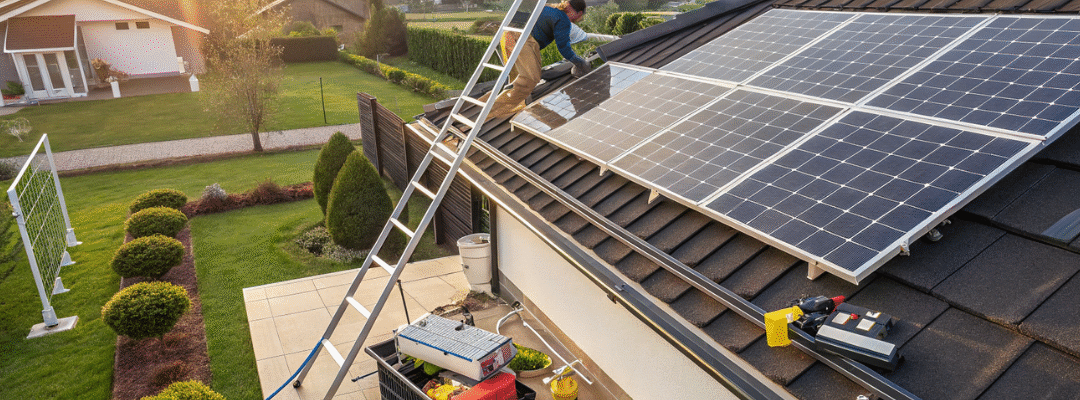
Basic Monthly Care (Society staff or homeowners)
- Clean panels with water (avoid hard brushes)
- Check for shade from new trees or structures
- Monitor output on inverter/mobile app
Annual Professional Service (AMC – Annual Maintenance Contract)
- Full inspection of panels and mounts
- Inverter software/firmware updates
- Wiring, fuse, and safety check
- Performance report
Cost of AMC: ₹3,000–₹5,000 per year for residential systems — tiny compared to annual savings of ₹50,000–₹80,000.
Why AMC (Annual Maintenance Contracts) Are Worth It
- Guaranteed uptime and performance
- Quick repair/replacement under warranty
- Peace of mind for homeowners and housing societies
- Ensures subsidy compliance (MNRE-approved vendors often require proof of maintenance)
Case Study: Delhi Homeowner
- System Size: 4 kW
- Initial Savings: ₹5,000/month
- After 2 years without cleaning: dropped to ₹3,800/month
- After AMC service: restored to ₹5,200/month
“We didn’t realize cleaning made such a big difference. Now we’ve signed a 5-year AMC to keep it running at full capacity,” says Mr. Mehra, Dwarka.
by trueimpactdigital | Sep 23, 2024 | Solar Maintenance & Efficiency
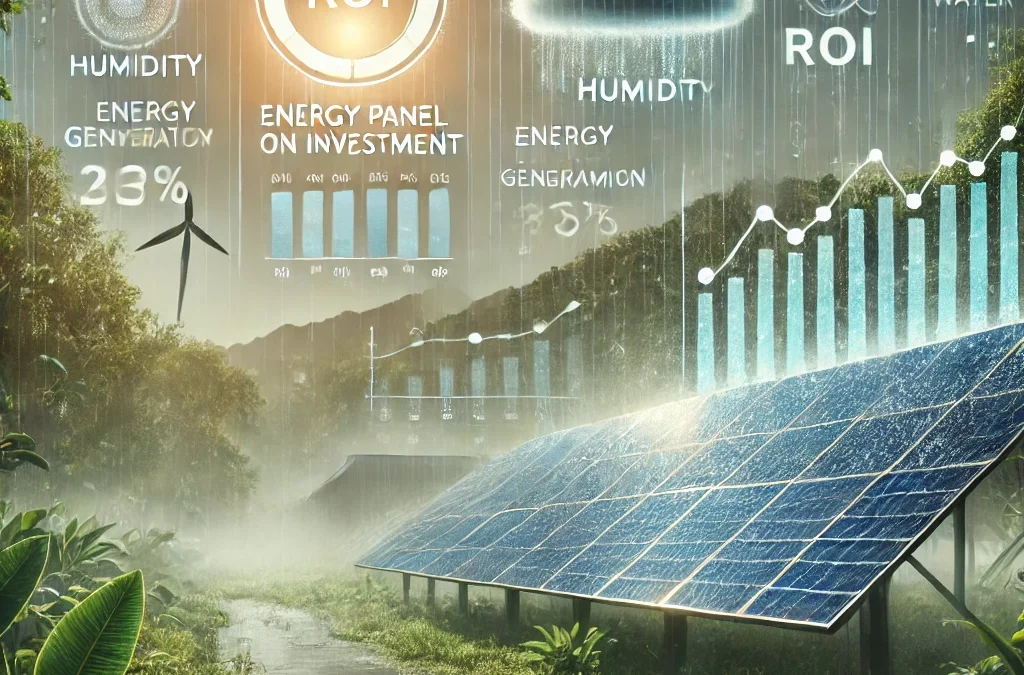
Solar panel efficiency can be affected by various environmental factors, including humidity. In humid areas, certain conditions may influence the performance of solar panels, but with proper system design and maintenance, solar panels can still provide a strong return on investment (ROI). Here's how humidity impacts solar panel efficiency and ROI:
1. How Humidity Affects Solar Panel Efficiency
1. Condensation & Water Film
Early morning dew or post-rain moisture can form a thin film on solar panels, reducing the amount of sunlight that penetrates the surface and reaches the photovoltaic (PV) cells. This temporarily lowers energy output.
2. More Dirt & Grime
Moisture attracts dust, pollen, salt, and even mold spores. These can stick to the panels and block sunlight. Without regular cleaning, this build-up can reduce efficiency by up to 15% over time.
3. Heat-Related Efficiency Loss
Humidity often comes hand-in-hand with high temperatures. For every 1°C above 25°C, solar panel output can drop by 0.3–0.5%. In hot, humid areas, this can add up quickly—especially during peak summer.
4. Accelerated Panel Degradation
In regions with extreme humidity, lower-tier panels may degrade faster if they lack moisture-resistant seals. However, Tier 1 solar panels are tested for such conditions and come with durability certifications like IEC 61701 (salt mist corrosion test).
2. Solutions to Optimize Efficiency in Humid Areas
- Anti-Reflective Coatings: Panels with anti-reflective or hydrophobic coatings can help repel water and reduce moisture build-up, ensuring that more sunlight reaches the cells.
- Regular Cleaning: Implementing a cleaning schedule in areas with high humidity can help keep dust, dirt, and other particles from accumulating on the panels, maintaining their efficiency.
- Ventilation: Proper ventilation around the solar panel installation helps to reduce heat build-up, allowing the panels to operate closer to their optimal temperature.
- Choosing the Right Panels: High-quality, Tier 1 solar panels are designed to withstand harsh weather conditions, including humidity, without degrading quickly. Look for panels with strong warranties and durability ratings (such as IEC 61701 certification for salt mist corrosion if the area is coastal).
3. Return on Investment (ROI) for Solar Panels in Humid Areas
Even in humid climates, solar panels can offer an attractive ROI, especially with rising electricity costs and government incentives. Here’s how to calculate and maximize ROI in these conditions:
Step-by-Step ROI Calculation
A. Initial Costs:
- Panel Cost: Cost of purchasing and installing solar panels (typically in $/watt).
- Installation Costs: Cost of mounting, wiring, and connecting to the grid.
- Maintenance Costs: Budget for regular cleaning and maintenance, which might be higher in humid areas.
Total Initial Investment = Panel Cost + Installation Cost + Maintenance Cost
B. Energy Production:
- Average Annual Energy Output: This depends on factors like the number of sunlight hours, local temperature, and efficiency losses due to humidity.
- In humid areas, you may assume a 5-10% efficiency reduction compared to drier climates, so adjust energy production estimates accordingly.
- Energy Production= Peak Output × Sunlight Hours Per Day × 365 × Panel Efficiency
C. Energy Savings:
- Multiply the energy production by the local electricity rate to determine how much you’ll save each year.
- Annual Savings = Energy Production × Local Electricity Rate
D. Payback Period:
- The payback period is the time it takes for your energy savings to cover the initial investment.
- Payback Period = Total Initial Investment /Annual Savings
E. ROI:
- To calculate ROI over the expected lifespan of the solar panels (typically 25-30 years), use the following formula:
- ROI =Total Savings Over Lifetime − Initial Investment / Initial Investment × 100
4. Factors to Consider for ROI in Humid Areas
- Incentives and Subsidies: Government incentives, such as tax credits or feed-in tariffs, can significantly boost ROI. Some countries and regions offer higher subsidies in areas with challenging climates to encourage renewable energy adoption.
- Rising Energy Costs: As electricity costs rise, the ROI on solar panel installations improves. Even if your panels are slightly less efficient in humid areas, the cost of conventional energy sources will likely continue to increase, making solar a financially smart choice.
- Energy Storage: Adding battery storage to your solar system allows you to store excess energy generated during peak sunlight hours for later use, further maximizing ROI, especially if you're in an area with high electricity prices.
5.Calculating and Enhancing ROI in Humid Areas
Despite the potential efficiency reductions due to humidity, solar panels can still yield a favorable ROI. Here's how to assess and improve it:
- Initial Investment:
- Panel and Installation Costs: Includes the purchase and setup expenses.
- Maintenance Budget: Allocate funds for regular cleaning and upkeep, which may be higher in humid regions.
- Energy Production Estimates:
- Adjusted Output: Factor in a potential 5-10% efficiency reduction due to humidity when estimating annual energy production.
- Financial Incentives:
- Government Programs: Research local incentives, such as tax credits or rebates, which can significantly offset initial costs. For example, the Federal Solar Tax Credit offers a 30% deduction on installation expenses.
- Net Metering:
- Energy Credits: Inquire about net metering policies that allow you to sell excess energy back to the grid, enhancing financial returns.
- Energy Storage Solutions:
- Battery Systems: Incorporating energy storage can optimize the use of generated power, especially during peak demand times, further improving ROI.
Conclusion
Solar systems in humid areas (like; solar solutions in Guwahati) is a cost-effective and eco-friendly choice. With proper maintenance and quality panels, you can overcome humidity challenges, enjoy energy independence, lower bills, and achieve excellent ROI while contributing to a sustainable future.
by trueimpactdigital | Sep 5, 2024 | Solar Maintenance & Efficiency
As the demand for clean and renewable energy continues to rise, more homeowners and businesses are investing in solar panel systems. While the initial cost of purchasing and installing solar panels can be significant, many buyers are encouraged by the long-term energy savings and environmental benefits. However, there is one critical aspect that often gets overlooked: the maintenance costs associated with solar panels. In this article, we delve into the factors influencing solar panel maintenance costs and what owners can expect to spend over the lifespan of their solar energy systems.
Solar panels are designed to be durable and can last over 25 years with minimal maintenance. That said, regular maintenance is crucial for ensuring optimal performance, longevity, and maximizing return on investment. A well-maintained solar system can capture more sunlight, leading to increased energy production and savings on electricity bills.
- Cleaning: Dust, dirt, leaves, bird droppings, and other debris can accumulate on solar panels, reducing their efficiency. Cleaning costs can vary, but on average, professional cleaning services range from $150 to $300 per service, depending on the size of the system and accessibility.
- Inspections: Regular inspections are vital to identify potential issues like loose wiring, Solar inverter problems, or damage from weather events. Homeowners might spend between $100 and $300 annually on professional inspections.
- Repairs: Over time, solar panels may require repairs due to wear and tear or environmental factors. Repair costs can vary widely but may range from $200 to $2,000, depending on the nature of the repair, such as replacing an inverter or fixing wiring.
- Monitoring Systems: Some solar panel systems come equipped with monitoring technology that tracks performance. Investing in these systems can help detect issues early, preventing costly repairs down the line. Monitoring services often cost around $15 to $30 per month, amounting to
$180 to $360 annually.
When considering all the factors involved, the overall maintenance costs for solar panels can be estimated as follows:
- Cleaning: $150 to $300 (once or twice a year)
- Inspections: $100 to $300 (annual)
- Repairs: $200 to $2,000 (as needed)
- Monitoring systems: $180 to $360 (annual)
- Assuming an average case where cleaning and inspection are done once a year and repairs are occasional, a homeowner can expect to spend between $630 and $2,960 in total maintenance costs annually.
- Location: Areas with heavy rainfall may require less frequent cleaning, while dustier regions or those with heavy bird activity may require more. Environmental conditions play a significant role in how often maintenance is needed.
- Panel Type: Different solar panel technologies (mono crystalline, poly crystalline, or thin-film) may have varying longevity and susceptibility to damage, affecting maintenance costs.
- Installation Quality: Panels that are installed correctly and utilize high-quality materials often incur lower maintenance costs over time.
- Warranty and Service Plans: Many solar manufacturers and installation companies offer maintenance plans that may cover inspections and minor repairs at an additional cost. A well- structured warranty can also help mitigate costs if issues arise.
Investing in solar panels can lead to significant savings on energy bills and contribute to a sustainable future. However, potential solar energy users should be aware of the maintenance costs involved. While solar panel systems are relatively low-maintenance compared to traditional energy sources, planning for routine inspections, cleaning, and potential repairs is important to keep the system running efficiently.
By factoring in these maintenance costs when calculating the overall investment in a solar energy system, homeowners and businesses can make more informed decisions and maximize their return on investment. With the right approach to maintenance, solar panels can provide clean energy for decades, making them a smart choice for both the planet and one’s pocketbook over the long term.
by trueimpactdigital | Sep 1, 2024 | Solar Maintenance & Efficiency
Solar energy has emerged as one of the most viable and sustainable sources of power in an increasingly energy-conscious world. While advancements in solar panel technology have immensely increased their efficiency over the years, there is always room for improvement. Here are some key strategies to enhance the efficiency of solar panels, ensuring homeowners and businesses can make the most of their investment in renewable energy.
The first step in improving solar panel efficiency is selecting the right type of panel for your needs. There are three primary types of solar panels available:
Poly crystalline Panels: Made from multiple crystal structures, these panels are generally less expensive.They are a good option for budget-conscious consumers.
Selecting the right type of panel based on available space, budget, and energy needs can significantly impact overall efficiency
The location and orientation of solar panels play a critical role in their efficiency. To maximize sunlight exposure, consider the following:
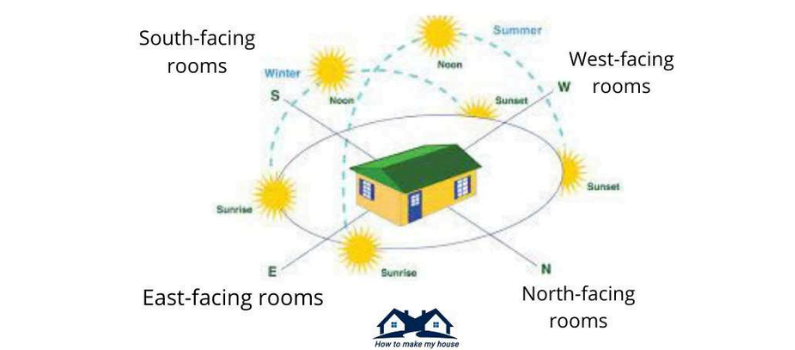
- Orientation: Solar panels should generally face south in the Northern Hemisphere and north in the Southern Hemisphere to capture the most sunlight throughout the day.
- Tilt Angle: The angle at which panels are installed can also affect their performance. For optimal energy capture, the panel tilt should ideally match the latitude of the installation site. Seasonal adjustments may be made for maximum efficiency during both summer and winter months.
- Avoid Shading: Ensure that nearby trees, buildings, or other structures do not cast shadows on the panels. Even partial shading can significantly reduce output, so it's crucial to analyze the site before installation.
- Dust, dirt, and debris can accumulate on solar panels, reducing their efficiency by blocking sunlight. Regular maintenance is essential to keep panels functioning at peak performance.
- Cleaning: Depending on the local environment, cleaning panels once or twice a year may be sufficient. Use water and a soft brush or hire a professional service for thorough cleaning.
- Inspection: Regularly inspect the panels for any signs of damage, such as cracks or discoloration, and address issues promptly to avoid performance loss.
Integrating battery storage systems with solar panel installations can enhance overall efficiency by allowing users to store excess energy for use during non-sunny hours. This not only maximizes solar energy utilization but also provides backup power during outages.
Solar trackers are systems that adjust the orientation of solar panels throughout the day to follow the sun's path. Implementing a solar tracking system can increase energy efficiency by up to 25-35%, making it a worthwhile investment for larger installations, such as solar farms.
Bi facial solar panels are designed to capture sunlight on both sides, taking advantage of reflective surfaces like roofs or ground. This innovative design can boost efficiency by capturing additional light that other panels miss.
Improving the efficiency of solar panels is a multifaceted approach that involves careful planning, selection, and maintenance. By considering panel type, placement, inverter quality, and incorporating technology like solar trackers and battery storage, individuals and businesses can maximize their solar energy harvesting and reduce reliance on traditional energy sources. As the push for renewable energy continues, enhancing solar panel efficiency remains crucial for sustainable progress in the energy sector.
by trueimpactdigital | Aug 8, 2024 | Solar Maintenance & Efficiency
Solar panels are a cornerstone of sustainable energy solutions, transforming sunlight into electricity and reducing our reliance on fossil fuels. Investing in solar panels is not just an environmental decision but also a financial one, aimed at long-term savings and energy independence. However, to fully reap the benefits of this investment, it’s essential to focus on maximizing the efficiency and longevity of your solar panels. Proper care and maintenance, coupled with strategic planning and installation, can significantly enhance the performance and lifespan of your solar energy system. In this comprehensive guide, we will explore various strategies and best practices to ensure your solar panels operate at their peak efficiency for many years to come.
| S.No | TOPICS |
| 1 | Introduction |
| 2 | Types of Solar Panels |
| 3 | Maximize Solar Panel Efficiency |
| 4 | Strategies for Longevity of Solar Panels |
| 5 | Extend solar panel lifespan & Optimizing solar energy |
| 6 | Conclusion |
Solar panels are a significant investment for harnessing renewable energy. Ensuring they operate at peak efficiency and have a long lifespan can maximize your return on this investment.As the adopon of solar energy connues to grow, maximizing the efficiency and longevity of solar panels becomes paramount for homeowners and businesses alike. Solar panel efficiency refers to the percentage of sunlight that can be converted into usable electricity. Various factors can influence this efficiency, including panel type, angle, and environmental conditions. This blog will provide comprehensive insights into effective strategies for enhancing the performance and lifespan of solar panels.
Choosing the right type of solar panel depends on various factors, including your budget, available installation space, aesthetic preferences, and energy need, you can select the solar panel type that best suits your specific requirements and maximizes your investment in renewable energy and solar energy optimization. Solar panels fall under multiple categories let’s take a look into the following types.
- Monocrystalline solar panels are made from single-crystal silicon.
- Monocrystalline panels offer high efficiency and longevity but at a higher cost efficiency typically ranging from 15% to 22% efficiency.
- More power output per square foot compared to other types.
- Long lifespan, often with warranties up to 25 years.
- Polycrystalline solar panels are made from silicon crystals melted together.
- They are slightly less efficient than monocrystalline panels but are also more affordable.
- Good efficiency rates (13-16%) at a lower cost.
- Require more space to produce the same amount of power as monocrystalline panels.
- Thin-film solar panels are made by depositing one or more layers of photovoltaic material onto a substrate. They are versatile and lightweight.
- Less efficient than crystalline panels, with efficiencies around 10% to 12%.
- Perform better in high-temperature conditions than crystalline panels.
- Can be made flexible, which is useful for non-traditional installations.
- Bifacial solar panels can capture sunlight on both the front and back sides, increasing their overall energy production.
- Higher overall energy production compared to traditional panels.
- Requires specific installation conditions to maximize rear-side sunlight capture.
Building-Integrated Photovoltaics (BIPV)
- Building-Integrated Photovoltaics (BIPV) are designed to integrate seamlessly with building materials, such as roof shingles or façade elements.
- Dual-purpose as building material and energy generator.
- Can be less efficient than traditional panels due to design constraints.
Maximize Solar Panel Efficiency
Optimal Placement and Orientation
The placement of solar panels significantly affects their efficiency. Panels should be installed in a location with maximum sunlight exposure, typically a south-facing roof in the northern hemisphere.
- Angle: Install panels at an angle that captures the most sunlight, generally around 30 to 45 degrees depending on your geographical location.
- Orientation: Ideally, orient panels towards the equator (south in the Northern Hemisphere, north in the Southern Hemisphere) to maximize sun exposure throughout the day.
- Secure mounting: Proper mounting prevents damage from wind and other environmental factors.
Routine maintenance is vital for sustaining solar panel performance.
Cleaning: Keep panels free from dirt, dust, and debris, which can obstruct sunlight. Cleaning should be performed every 3 to 6 months, or according to local weather conditions.
Inspection: Conduct regular inspections to identify any potential issues such as shading from trees or buildings, or damage to wiring and connections.
Method: Use a soft brush and water to clean the panels. Avoid harsh chemicals and abrasive materials that can scratch the surface.
Safety: If the panels are on a roof, consider hiring a professional cleaning service to avoid the risk of injury.
Continuous monitoring of solar panel performance allows for immediate detection of inefficiencies.
Use Monitoring Systems: Implement solar monitoring systems that provide real-time data on energy production, allowing for prompt identification of performance drop-off.
Track Energy Output: Regularly check energy output against expected values to gauge efficiency and take corrective actions as necessary.
Inspections: Schedule annual inspections by a professional to check for any signs of wear, damage, or potential issues.
Strategies for Longevity of Solar Panels
Investing in high-quality solar panels can significantly enhance durability and longevity. Look for:
Warranties: Most reputable solar manufacturers offer warranties ranging from 25 years for performance to 10 years for product defects.
Certifications: Ensure panels meet international standards (e.g., IEC certification), indicating rigorous testing and reliability.
Professional installation is crucial to maximize both efficiency and lifespan.
Qualified Installers: Hire certified and experienced solar installers who can ensure panels are correctly aligned, secured, and connected.
Avoid Overloading: Ensure the solar system is appropriately sized to avoid overloading, which can lead to burnout and damage.
Protect from Environmental Factors
Environmental conditions can impact the longevity of solar panels.
Shading: Minimize shading from nearby trees, buildings, and structures, as even partial shading can severely reduce performance.
Extreme Weather: Take precautions against hail, snow, and high winds. Installing panels on sturdy mounts can help protect them from severe weather impacts.
Weatherproofing: Ensure that the panels and their mounting systems are weatherproof and can withstand local climate conditions.
Extend solar panel lifespan & Optimizing solar energy
Maximizing the efficiency of solar panels also involves optimizing your energy usage:
Energy-efficient appliances: Use energy-efficient appliances and LED lighting to reduce overall energy consumption.
Peak usage: Try to use more electricity during peak sunlight hours when your panels are generating the most power.
Battery storage: Consider adding a battery storage system to store excess energy generated during the day for use at night or during cloudy periods.
Maximizing the efficiency and longevity of solar panels requires a combination of optimal placement, regular maintenance, performance monitoring, and quality installation. By following these best practices, users can ensure their solar panels generate clean, renewable energy effectively and sustainably for decades to come. Protecting your investment through these practices not only leads to greater energy savings and reduced costs over time but also contributes to a greener, more sustainable future.The transition to solar energy is a wise investment not only for financial savings but also for contributing to a greener planet. Commit to these strategies and unlock the full potential of your solar energy system.