Solar Panels for Rental Houses in India – DCR vs Non-DCR Explained
Installing solar panels on a rental house is one of the smartest ways to reduce electricity bills and embrace renewable energy. However, before investing, it’s important to understand which solar system suits you best — especially the difference between DCR and Non-DCR panels, and how subsidy eligibility affects your final cost.
At Synergy Solar Solutions, we simplify these details so that homeowners and residents of rental properties can make the most informed choice.
Can You Install Solar Panels on a Rental House?
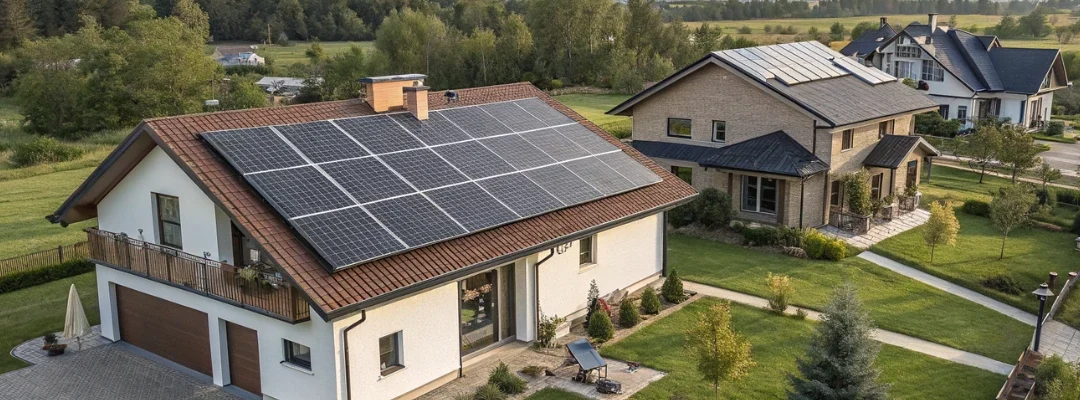
Yes, you can install solar panels on a rental house — with the permission of the property owner and the local DISCOM (Electricity Board).
If the property owner applies for installation and the electricity connection is in their name, the system qualifies for government subsidy (with DCR panels).
If the property is on rent and the installation is done without ownership rights, the system will not receive subsidy, even if DCR panels are used.
In short:
DCR panels with subsidy → For property owners. No subsidy → For rental property users.
What Are DCR and Non-DCR Solar Panels?
Solar panels in India are categorized based on where their cells and modules are manufactured.
DCR (Domestic Content Requirement) Solar Panels
Entirely made in India (both cells and modules).
Eligible for MNRE rooftop solar subsidy (only for property owners).
Slightly older technology — mostly Poly or standard Mono panels.
Generates around 4 units per kW/day.
Higher initial cost, but the subsidy reduces overall price.
Non-DCR Solar Panels
Made in India using imported solar cells (mainly from China or Vietnam).
Not eligible for government subsidy.
Built with advanced technologies — Mono-PERC, Half-Cut, and Bifacial.
Generates higher output (~ 4.5 units per kW/day).
Cheaper upfront cost, requires fewer panels, and offers same warranty as DCR.
Government Subsidy Eligibility
Under the National Portal for Rooftop Solar (NPRS) by MNRE:
Condition Subsidy Eligibility Owner installing on rooftop with DCR panels Yes Rental house user installing system No Non-DCR panels used No DCR panels used on non-owner property No Rooftop installation ≤ 3 kW 40 % subsidy Rooftop installation > 3 kW 20 % subsidy (for next 7 kW)
Therefore, if you are living in or managing a rental house, the subsidy benefit is not available, but you can still install an efficient Non-DCR on-grid system at a lower cost. DCR vs Non-DCR Solar Panels – Detailed Comparison Feature DCR Solar Panel Non-DCR Solar Panel Manufacturing Fully Made in India (cells + modules) Made in India with imported cells Govt Subsidy Eligibility Yes (for owners only) No Cost (before subsidy) ₹ 65 000 – ₹ 70 000 per kW ₹ 50 000 – ₹ 55 000 per kW Cost (after subsidy for 3 kW) ₹ 1.2 – ₹ 1.3 lakh ₹ 1.4 – ₹ 1.5 lakh (no subsidy) Avg Power Generation per kW/day 4 units 4.5 units (+ 12 %) Technology Poly / Standard Mono Mono-PERC / Half-Cut / Bifacial Roof Space Required More (6–7 panels for 3 kW) Less (5–6 panels for 3 kW) Warranty 25 + years performance 25 + years performance Best For Homeowners eligible for subsidy Rental house installations (no subsidy) Example – 3 kW System Comparison Parameter DCR (With Subsidy) Non-DCR (Without Subsidy) System Cost ₹ 2 ,00 ,000 ₹ 1 ,50 ,000 Govt Subsidy ₹ 72 ,000 Not applicable Final Cost ₹ 1 ,28 ,000 ₹ 1 ,50 ,000 Daily Units Generated 12 13.5 Annual Units Generated ~ 4 ,380 ~ 4 ,900 ROI Period 3.5 – 4 years 3 – 3.5 years Insight:
Even though DCR systems receive subsidy, the final cost and annual generation value are almost equal to Non-DCR systems. Non-DCR panels generate more electricity and require fewer modules, offering better efficiency for rental properties.
Which System is Best for Rental Houses?
For rental houses, the Non-DCR solar system is the most practical and affordable solution. Here’s why:
No Subsidy Hassle: Non-DCR systems are free from government documentation and approval processes. Lower Upfront Cost: Even without subsidy, Non-DCR panels are cheaper. Higher Power Generation: Around 12 % more electricity than DCR panels. Fewer Panels Needed: Saves roof space – ideal for compact rental rooftops. Same Warranty & Lifespan: 25 + years performance, 10–12 years product warranty. Advanced Technology: Uses the latest Mono-PERC and Half-Cut cell technology.
So, for anyone installing solar in a rental property, a Non-DCR on-grid system offers the best mix of efficiency, flexibility, and ROI.
When Should You Choose DCR Panels?
If you are the owner of the rental house (not the tenant) and the electricity connection is in your name, installing DCR panels allows you to claim subsidy benefits.
Choose DCR when:
You own the property.
You plan long-term residence (10 + years).
You want MNRE subsidy through the National Portal.
Even though DCR uses slightly older technology, the subsidy brings the net cost close to Non-DCR systems.
Key Takeaways
Subsidy Eligibility: Only DCR panels used by property owners qualify.
Rental Houses: Non-DCR systems are recommended — cost-effective and efficient.
Performance: Non-DCR panels produce ≈ 0.5 unit more per kW/day.
Panel Count: Non-DCR systems need fewer modules — ideal for small rooftops.
Warranty: Both offer the same 25 + year performance guarantee.
Type Investment (₹) Avg Monthly Units Avg Monthly Savings (@₹7/unit) Payback Period DCR (With Subsidy) ₹ 1.28 L 360 – 400 ₹ 2 ,500 – ₹ 2 ,800 3.5 years Non-DCR (Without Subsidy) ₹ 1.50 L 400 – 450 ₹ 3 ,000 – ₹ 3 ,200 3 years
After 3 to 4 years, both systems generate free electricity for over two decades.
Why Choose Synergy Solar Solutions
MNRE-approved EPC contractor for DCR & Non-DCR systems.
Expert in on-grid installations for residential & rental houses.
Assistance with subsidy applications (for owners).
Premium brands – Waaree, Delta, Loom, Havells.
Over 500 residential and rental projects installed across India.
Synergy Solar Solutions helps both owners and rental property users go solar affordably and efficiently.
Frequently Asked Questions
Can a rental house get solar subsidy in India? No. Only the property owner is eligible for subsidy when using DCR panels under the MNRE scheme.
Are Non-DCR panels allowed for rental houses? Yes. They are fully approved under BIS standards and commonly used across India — but not eligible for subsidy.
Which is better for rental houses – DCR or Non-DCR? Non-DCR is better for rental houses – it’s low-cost, high-efficiency, needs fewer panels, and offers equal warranty.
Do Non-DCR panels generate more power? Yes. Non-DCR panels generate ≈ 4.5 units/kW/day — about 12 % more than DCR panels.
What about maintenance and warranty? Both DCR and Non-DCR systems need simple panel cleaning and offer 25 + years performance warranty.
If the rental property owner applies for subsidy, is it allowed? Yes. If the owner’s name is on the electricity connection, the owner can install DCR panels and claim the subsidy.
For rural landowners and farmers in India, solar energy has emerged as a reliable source of passive income. Unlike traditional farming, which depends on crops, weather, and active labor, solar farming allows you to earn money consistently without daily involvement.
With government schemes like PM-KUSUM, rising energy demand, and the push for renewable energy, solar farming is now a profitable, low-risk investment for rural entrepreneurs.
What is Passive Solar Farming?
Passive solar farming means earning income from solar energy without managing daily operations. The main approaches include:
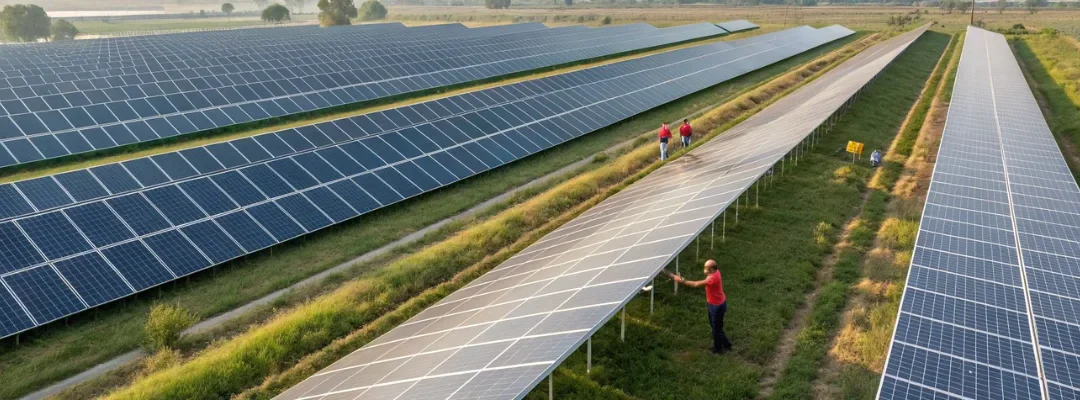
Leasing your land to a solar developer – You receive fixed annual rent while the developer handles installation, maintenance, and power sales.
Power Purchase Agreements (PPA) – You install solar panels (or fund a project) and sell electricity at a fixed rate to the grid or corporate buyers.
Participation under PM-KUSUM – Government-backed scheme allowing farmers to set up small solar systems and sell surplus energy with minimal involvement.
This allows rural landowners to earn steady, long-term revenue without replacing their primary occupation.
Real-World Passive Income Potential
Land Size
Model
Expected Annual Income
Notes
1 acre
Lease to developer
₹30,000–₹80,000
Fixed rent, no maintenance
1–2 acres
Small solar plant under PM-KUSUM
₹1–2 lakh
Subsidy-backed, sells to grid
5+ acres
PPA for commercial solar
₹5–15 lakh
Long-term contract, minimal involvement
Key benefits:
Consistent revenue independent of crop yield
Low operational responsibility
20–25 years of income potential
Why Passive Solar Farming Works
Guaranteed Long-Term Income Solar leases and PPAs provide a stable cash flow over decades.
Low Risk Government-backed programs like PM-KUSUM reduce investment risk and ensure predictable returns.
Minimal Maintenance Modern solar farms require little upkeep, and developers typically manage operations.
Dual Benefits You can sometimes continue limited farming under solar panels (agro-solar), earning both agricultural and solar income.
How to Start Earning Passive Income from Solar Farming
Evaluate Your Land – Open, unshaded areas with grid connectivity are ideal.
Choose Your Model – Decide between leasing, PPA, or self-owned solar plant with government support.
Partner with Experts – Work with solar EPC companies like Synergy Solar Solutions to handle installation, approvals, and management.
Leverage Government Subsidies – PM-KUSUM can cover a portion of installation costs, improving ROI.
India is entering a golden era of solar energy. With 300+ sunny days a year, falling solar panel prices, and government initiatives like PM-KUSUM and net metering, it's never been easier — or smarter — to earn passive income by harnessing sunlight.
Whether you have a rooftop, farmland, or some investment capital, there’s a solar business model that suits your lifestyle and offers long-term, hands-free returns.
Here are eight powerful ways to turn solar energy into reliable income in 2026.
1. Lease Your Land for Solar Power Projects
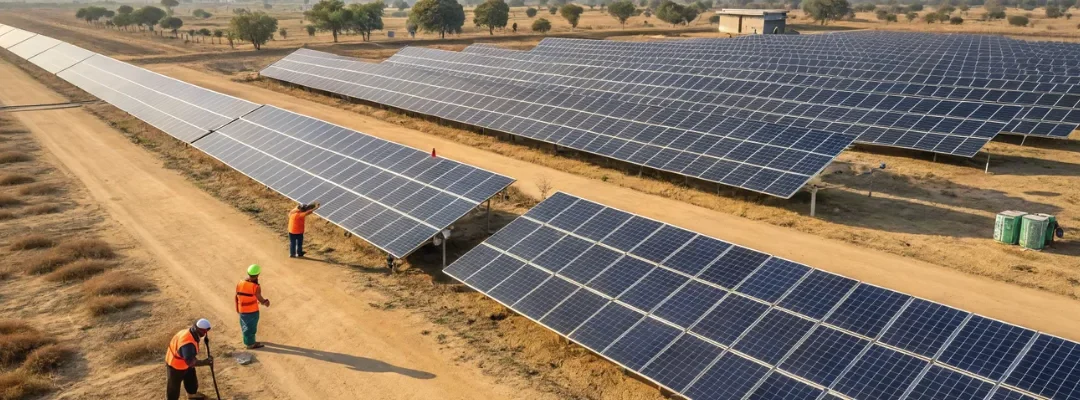
Own underused land? You can lease it to solar developers who will install solar farms and pay you fixed rent for 20–25 years.
How It Works:
You sign a long-term lease with a solar EPC (Engineering, Procurement, Construction) company.
They handle permits, installation, and operations.
You earn passive rent — no maintenance required.
Potential Income:
₹30,000–₹1,00,000 per acre per year (depends on location and grid connectivity).
Why It’s Great:
Zero upfront cost
Stable, inflation-proof income
Land remains yours
2. Rooftop Solar + Net Metering: Earn & Save Monthly
Have a rooftop? Use it to slash your electricity bill and earn money by selling extra power to the grid via net metering.
Quick Facts:
A 5kW system can save ₹6,000–₹8,000/month
Govt. subsidies cover up to 40% of installation cost
Payback period: 4–5 years
Best for: Homeowners, small businesses, and housing societies.
Pro tip: Use solar calculators to estimate your savings and ROI before installing.
3. PM-KUSUM Scheme: Solar Income for Farmers
The PM-KUSUM scheme empowers Indian farmers to set up decentralized solar power plants.
Options:
Install solar pumps for irrigation.
Build small solar plants (0.5–2 MW) on farmland.
Sell unused power to DISCOMs at fixed feed-in tariffs.
Potential Return: ₹1–₹2 lakh per acre annually Bonus: Dual-use of land (solar + agriculture = agrivoltaics)
Learn more: MNRE's PM-KUSUM Page
4. Join a Solar Co-Investment or Community Project
Don’t have a rooftop or land? No problem. Invest in community solar parks or shared solar farms.
How it Works:
Pool funds with others to fund a solar plant.
Receive profit share from electricity sales (PPA or grid supply).
Best for: NRIs, climate-conscious investors, and passive income seekers.
5. Set Up a Solar-Powered EV Charging Station
With EV adoption rising fast, solar-powered charging stations are becoming highly lucrative.
Own a warehouse, factory, or office building with unused roof space? Monetize it by signing a Power Purchase Agreement (PPA) with a solar company.
Key Benefits:
You get rental income or revenue share
No capital expenditure required
Boosts your ESG/sustainability profile
Example: A 100kW rooftop system can generate ₹10–₹15 lakh/year in power value.
7. Lease Solar Equipment to EPC Companies
If you have funds but no space, invest in solar hardware (panels, batteries, inverters) and lease them to EPCs or solar startups.
Why This Works:
Fixed lease income
Asset-based investment with rising demand
Works well in areas where capital is needed but infrastructure is limited
Tip: Work with verified EPCs or energy startups to reduce risk.
8. Solar-Powered Water & Irrigation Solutions
Demand is booming for solar irrigation pumps, especially in water-scarce rural India.
Business Model:
Offer solar pump systems on rent or pay-per-use to nearby farmers.
Use government subsidies (MNRE & state-level) to reduce setup cost.
Best For: Agri-entrepreneurs, cooperatives, or farm equipment renters.
Why Solar is the #1 Passive Income Source for 2026
Predictable ROI: Solar panels last 20–26 years Low Maintenance: Minimal ongoing costs Government Support: Strong incentives & policies Eco-Friendly: Earn while reducing carbon emissions Scalable: Start small, grow over time
Solar energy isn’t just transforming how India powers its homes — it’s also creating smart financial opportunities for individuals and investors. Today, you don’t need to be an industrial developer to make money from solar — you can start small, invest wisely, and generate passive income from solar energy in India with minimal effort.
Here are the top 5 proven ways to earn solar income while contributing to India’s clean energy mission.
1. Rooftop Solar Systems – Save and Earn via Net Metering
A rooftop solar plant is the easiest way to earn passive income from solar energy right from your home or office. When your panels produce more electricity than you consume, the surplus is sent to the grid under India’s net metering system.
Instead of direct payment, you receive energy credits that reduce your monthly bills. At the end of the financial year (April–March), these credits are adjusted by your electricity board.
Example: A 10 kW solar system can generate about 12,000–14,000 units/year, saving around ₹8,000–₹12,000/month depending on your electricity tariff.
Why it’s passive: Once installed, it runs automatically for 20–25 years with minimal maintenance.
2. Community Solar Projects – Earn Without Owning a Roof or Land
If you don’t have land or roof space, you can still earn passive income from solar projects through community or shared solar investments.
These are large solar farms where multiple individuals invest small amounts. The power generated is sold to industries or utilities through long-term PPAs (Power Purchase Agreements).
Typical Returns: 8–12% per annum, depending on project tariff and location.
Why it’s passive: You don’t handle construction, operation, or maintenance — the developer does everything, and you receive your share of revenue.
3. Agri-Voltaics – Dual Income for Farmers
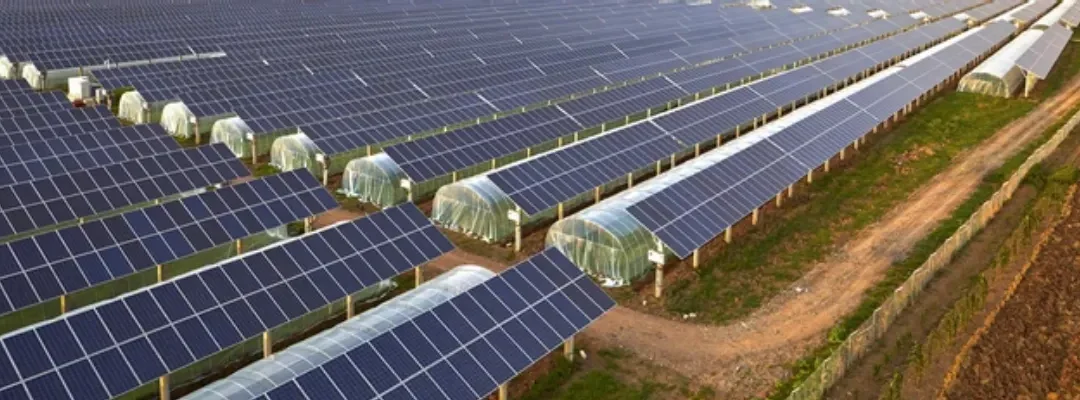
For farmers and rural landowners, agri-voltaic systems offer the best of both worlds — solar power and farming together. Solar panels are mounted high enough to let sunlight reach the crops below, creating a hybrid setup that supports both food and energy production.
Income Potential: Farmers earn from both crop sales and solar energy generation under PPA or developer partnership models.
Why it’s passive: The solar plant is managed by a professional EPC or developer, while farming continues normally.
4. Solar Funds & Green Bonds – Hands-Free Investment Returns
For investors who want passive income from solar power without owning or managing plants, solar funds and green bonds are smart choices.
These financial instruments pool investor money to fund multiple solar projects. In return, investors receive annual fixed returns — usually between 8% and 12%, depending on the portfolio’s performance.
Why it’s passive: No operational involvement. Your money finances renewable projects, and you earn from their power sales.
Why it’s not “fixed income”: It’s still linked to solar project performance and portfolio returns — not a contractual rent like leasing.
5. Solar Cooperatives & Local Energy Partnerships
An emerging opportunity in India is the formation of solar cooperatives — groups of farmers, residents, or small businesses that jointly invest in solar power plants.
These cooperatives sell power to DISCOMs or local industries under group PPAs, sharing profits among members.
Average Returns: 8–10% annually after operational costs, depending on the tariff and capacity.
Why it’s passive: Once the system is operational, management is handled by the cooperative board or partner developer.
Summary – Which Solar Passive Income Model Suits You Best?
Model
Ideal For
Returns
Effort
Rooftop Solar
Homeowners
₹8k–₹12k/month (bill savings)
Low
Community Solar
Small Investors
8–12%/year
Very Low
Agri-Voltaics
Farmers
Dual crop + solar income
Moderate
Solar Funds & Bonds
Investors
8–12%/year
None
Solar Cooperatives
Groups / Rural Clusters
8–10%/year
Low
Why Choose Synergy Solar Solution
At Synergy Solar Solution, we simplify the process of turning sunlight into a dependable source of income. From rooftop and community projects to agri-voltaics and EPC services, our end-to-end support ensures you enjoy steady, secure solar earnings.
10+ years of EPC and project management expertise.
Reliable partnerships with industrial and institutional power buyers.
Transparent ROI models and regulatory compliance.
Proven track record in solar projects across Tamil Nadu and India.