
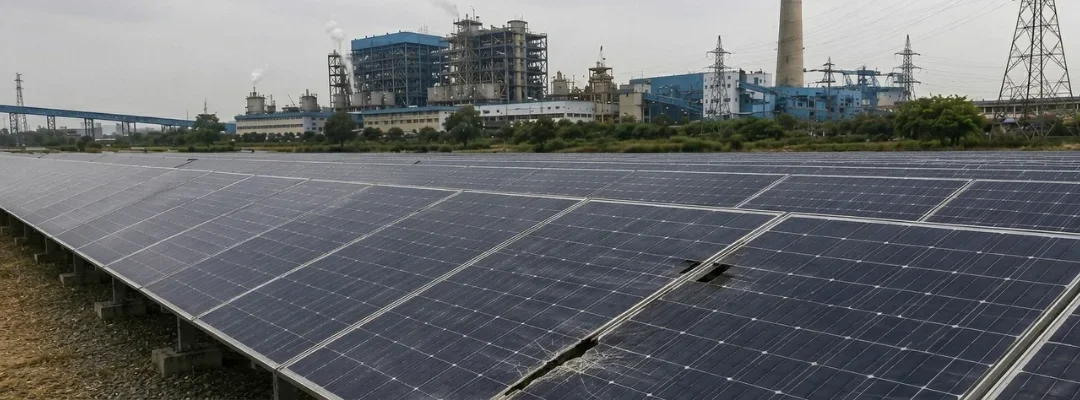
A solar power system is a long-term investment that can reduce electricity costs, improve energy independence, and support sustainability goals. However, installing solar panels does not remove every financial risk.
Severe weather, electrical faults, theft, accidental damage, and equipment breakdown can affect the performance of a solar system and lead to costly repairs. Solar insurance can help reduce the financial impact of eligible losses and support faster recovery after an unexpected event.
For homeowners, businesses, and project owners, insurance provides an additional layer of protection for the money invested in solar equipment and installation.
Why Solar Systems Need Financial Protection
A complete solar installation includes much more than panels. It may also contain inverters, batteries, mounting structures, cables, monitoring systems, switchgear, and transformers.
If one important component is damaged, the entire system may stop generating power. Repair or replacement costs can be significant, especially when specialist labour or multiple components are involved.
Suitable solar system insurance may help protect declared equipment against risks covered by the selected policy.
Common Risks Faced by Solar Installations
Solar systems are built for outdoor conditions, but they may still be exposed to unexpected events.
Common risks include:
- Fire and explosion
- Lightning and power surges
- Flooding and heavy rainfall
- Storm, cyclone, and hail damage
- Theft or vandalism
- Falling objects or debris
- Accidental physical damage
- Electrical or machinery breakdown
The level of exposure depends on the project location, system design, installation quality, security arrangements, and maintenance practices.
How Solar Insurance Protects Your Investment
The main purpose of solar insurance is to reduce the financial burden created by a covered event.
Reduces Repair and Replacement Costs
Damage to panels, inverters, batteries, transformers, or electrical equipment can be expensive to repair.
Insurance may help cover eligible repair or replacement expenses, subject to deductibles, policy limits, and exclusions. This can prevent a single incident from becoming a major financial setback.
Protects Energy Savings
A solar system creates value only when it is operating correctly.
When a residential system stops working, the owner may need to purchase more electricity from the grid. This can reduce the expected savings from the installation.
Insurance can support the restoration of damaged equipment so the system can return to operation sooner.
Supports Business Revenue
Commercial and industrial systems are often installed to reduce operating expenses or generate income.
Extended downtime may affect electricity savings, production costs, and financial projections. Some policies may include eligible business interruption or loss-of-generation protection after insured physical damage.
Provides Liability Protection
Solar installations can occasionally cause injury or damage to nearby property.
For example, a panel may fall from a roof, an electrical fault may damage surrounding equipment, or a fire may spread to another area.
Third-party liability cover may help respond to eligible legal claims, depending on the policy conditions.
Helps Meet Financing Requirements
Banks, investors, landlords, and project partners may require insurance before financing or approving a solar installation.
Insurance requirements may also be included in loan agreements, leases, EPC contracts, or power purchase agreements.
Solar Insurance for Different Types of Projects
Insurance needs vary according to the size, value, and purpose of the solar installation.
Residential Rooftop Systems
Homeowners should confirm whether their property insurance includes permanently installed solar equipment.
Rooftop solar insurance may cover panels, inverters, batteries, cables, and mounting structures, depending on the policy.
Commercial Solar Projects
Commercial solar insurance may include physical damage, machinery breakdown, liability, and business interruption protection.
This can be useful for offices, hotels, hospitals, schools, retail properties, and other commercial buildings that depend on solar savings.
Industrial Solar Installations
Industrial projects often have larger systems and more complex electrical infrastructure.
Factories, warehouses, and manufacturing units may need broader protection because system downtime can affect operating expenses and long-term energy planning.
What Can Solar Insurance Cover?
Coverage varies between insurers, but a policy may include protection against:
- Fire and explosion
- Lightning
- Flood and storm damage
- Theft and vandalism
- Accidental external damage
- Electrical breakdown
- Machinery failure
- Transit damage
- Installation damage
- Third-party liability
- Eligible loss of generation
Not every policy includes every risk. The policy schedule and full wording should always be reviewed before purchase.
Documents Required for Better Claim Support
Proper documentation can make the insurance and claim process more efficient.
System owners should maintain:
- Purchase invoices
- Equipment serial numbers
- Installation photographs
- Technical specifications
- Warranty documents
- Commissioning reports
- Maintenance records
- Generation reports
- Repair estimates
- Incident photographs and videos
These records help confirm ownership, condition, system value, and the circumstances of the loss.
Frequently Asked Questions About Solar Insurance
What is solar insurance?
Solar insurance is designed to provide financial protection for eligible solar panels, inverters, batteries, cables, mounting structures, and related equipment against risks covered by the policy.
Why is solar insurance important?
Solar insurance can help reduce repair and replacement costs after damage, protect expected energy savings, and support faster recovery from unexpected events.
Does home insurance cover rooftop solar panels?
Some home insurance policies may include permanently installed solar panels, while others may require an extension or separate policy. Homeowners should confirm coverage with their insurer.
What risks can solar insurance cover?
Depending on the policy, coverage may include fire, lightning, storms, floods, theft, vandalism, accidental damage, electrical breakdown, machinery failure, and third-party liability.
Does solar insurance cover inverter failure?
Sudden and unforeseen inverter damage may be covered under machinery breakdown protection. Wear and tear, poor maintenance, and manufacturing defects are often excluded.
Can solar insurance cover loss of generation?
Some commercial policies may include loss-of-generation or business interruption cover after insured physical damage, subject to waiting periods, limits, and policy conditions.