
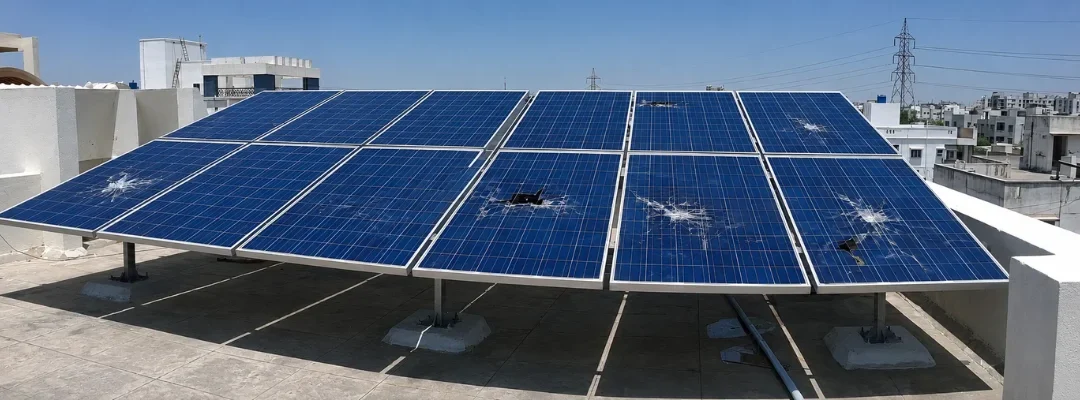
Solar power systems help homeowners and businesses reduce electricity costs, improve energy independence and support long-term sustainability goals. However, solar panels and related equipment remain exposed to weather damage, theft, fire, electrical faults and accidental breakdowns.
Solar insurance provides financial protection against eligible risks and may help system owners recover more quickly after an unexpected incident. Understanding the main benefits of solar insurance can help you decide whether coverage is suitable for your residential or commercial installation.
1. Protects Your Solar Investment
Installing a solar system requires a significant financial commitment. In addition to solar modules, the total project cost may include inverters, batteries, structural components, electrical equipment, labour and engineering services.
Suitable solar investment protection may reduce the financial impact of eligible physical damage. Instead of paying the full replacement cost directly, the owner may receive financial support according to the policy terms.
This benefit is especially important for high-value residential, commercial and industrial systems.
2. Reduces Unexpected Repair Costs
Solar equipment is designed for long-term use, but unexpected events can still cause expensive damage.
Possible risks include:
- Fire
- Lightning
- Flooding
- Storms and cyclones
- Hail
- Theft
- Vandalism
- Electrical surges
- Accidental impact
- Machinery breakdown
Solar repair cost coverage may help pay for eligible repairs or replacement after a covered event. This can protect household savings and reduce pressure on business finances.
3. Covers More Than Solar Panels
A solar installation depends on several connected components. Damage to an inverter, battery or transformer can interrupt the entire system even when the modules remain undamaged.
Comprehensive solar system insurance may cover multiple declared assets rather than panels alone.
System owners should confirm whether the policy includes:
- Inverters
- Energy-storage batteries
- Mounting structures
- Cables
- Transformers
- Monitoring devices
- Electrical protection equipment
All important components should be listed clearly in the policy schedule.
4. Helps Protect Home Energy Savings
Residential solar systems are commonly installed to reduce monthly electricity bills. When a system stops working after physical damage, the homeowner may lose expected savings while also facing repair expenses.
Solar insurance for homeowners may provide financial support for eligible equipment damage and help restore generation sooner.
Before purchasing separate coverage, homeowners should check whether permanently installed solar equipment is already included in their building or home insurance policy.
5. Supports Commercial Business Continuity
Businesses often use solar energy to control operating expenses and improve long-term financial planning. An extended system shutdown may increase electricity purchases from the grid and affect projected savings.
Commercial solar insurance may provide physical damage protection and can sometimes be combined with machinery breakdown or business interruption cover.
This may be valuable for:
- Offices
- Hotels
- Hospitals
- Schools
- Shopping centres
- Warehouses
- Manufacturing facilities
The right policy can support faster restoration and help reduce the financial effect of downtime.
6. May Cover Loss of Generation
When insured physical damage prevents a solar installation from producing electricity, the owner may lose expected savings or revenue.
Some policies offer loss-of-generation cover for eligible financial losses following a covered event.
The settlement may consider:
- Previous generation records
- Expected system output
- Electricity tariffs
- Power-purchase agreement rates
- Waiting periods
- Indemnity periods
- Policy limits
This protection is particularly relevant for businesses, investors and project owners whose financial returns depend on system performance.
7. Provides Protection Against Theft and Vandalism
Solar panels, cables, batteries and electrical components may be targeted for theft, especially at remote or ground-mounted installations.
Solar theft protection may cover eligible losses caused by burglary, attempted theft or malicious damage.
Insurers may require security measures such as:
- CCTV
- Controlled site access
- Perimeter fencing
- Security guards
- Equipment serial-number records
- Alarm systems
- Regular site inspections
Good security can reduce risk and support claim documentation.
8. Protects Equipment During Installation
Solar equipment can be damaged before the system becomes operational.
Possible incidents may occur during:
- Transportation
- Loading and unloading
- Temporary storage
- Panel lifting
- Equipment mounting
- Electrical installation
- Testing
- Commissioning
Installation or transit coverage may protect eligible equipment during these stages. EPC contractors and project owners should confirm exactly when the policy begins and ends.
9. Offers Machinery Breakdown Protection
Inverters, transformers and other electrical equipment may suffer sudden and unforeseen mechanical or electrical failure.
Solar breakdown insurance may help cover eligible repair or replacement costs for declared machinery.
However, this type of cover may exclude:
- Normal wear and tear
- Corrosion
- Gradual deterioration
- Poor maintenance
- Manufacturing defects
- Design defects
- Improper installation
The complete policy wording should be reviewed carefully.
10. Provides Third-Party Liability Protection
Solar installations may create liability risks if equipment causes accidental injury or damages another person’s property.
Examples may include:
- A panel falling from a roof
- Fire spreading to a neighbouring building
- Electrical damage affecting another property
- Injury caused by damaged equipment
Solar third-party liability cover may help with eligible legal liability, compensation and defence costs, subject to policy conditions.
This protection can be especially important for commercial buildings, housing societies and industrial sites.
11. Supports Loan and Contract Requirements
Banks, investors, landlords and project partners may require insurance before approving financing or entering into a commercial agreement.
Coverage may be requested under:
- Solar financing agreements
- Property leases
- EPC contracts
- Operations and maintenance contracts
- Power-purchase agreements
- Investor requirements
Solar asset protection can provide greater financial confidence to stakeholders by reducing exposure to unexpected losses.
12. Helps Businesses Recover Faster
A major incident can involve damaged equipment, interrupted generation, repair coordination and insurance documentation.
Suitable coverage may provide financial support for:
- Equipment repair
- Component replacement
- Debris removal
- Professional reinstatement costs
- Temporary recovery measures
- Eligible revenue loss
Although insurance cannot prevent damage, it can support a more organized and financially manageable recovery.
Residential and Commercial Solar Insurance Compared
Residential Solar Insurance
Residential coverage usually focuses on protecting rooftop panels, inverters, batteries and related equipment.
Homeowners should ask:
- Are solar panels included in the building definition?
- Is storm, flood or lightning damage covered?
- Are batteries and inverters included?
- Does the policy cover theft?
- Is accidental damage included?
- Is public liability available?
- Is the replacement value accurate?
Business Solar Insurance
Business coverage may require a broader structure because commercial systems often have higher values and greater financial exposure.
Commercial owners may consider:
- Physical damage cover
- Machinery breakdown
- Business interruption
- Loss of generation
- Third-party liability
- Transit and installation protection
- Natural catastrophe coverage
The final policy should reflect the system value, business dependence and site-specific risks.
What Does Solar Insurance Commonly Cover?
Depending on the policy, cover may be available for:
- Fire and explosion
- Lightning
- Flood and inundation
- Storm and cyclone damage
- Hail
- Earthquake
- Theft and burglary
- Malicious damage
- Accidental external damage
- Electrical damage
- Machinery breakdown
- Transit damage
- Installation risks
- Third-party liability
- Business interruption
- Loss of generation
Not every policy includes every risk. Owners should review the policy schedule, endorsements and complete wording before purchasing coverage.
Common Solar Insurance Exclusions
A policy may exclude or limit losses caused by:
- Wear and tear
- Gradual deterioration
- Corrosion
- Poor maintenance
- Faulty workmanship
- Defective design
- Manufacturing defects
- Pre-existing damage
- Undeclared modifications
- Fraud or deliberate acts
- Equipment outside the insured location
- Underinsurance
- Failure to follow policy warranties
Some exclusions may be modified through endorsements, while others may remain standard.
Documents Required for Solar Insurance
Accurate documentation can support underwriting and make future claims easier to assess.
Useful records may include:
- Purchase invoices
- Asset registers
- Equipment serial numbers
- Installation photographs
- Site layout drawings
- Electrical diagrams
- Technical specifications
- Testing reports
- Commissioning certificates
- Warranty documents
- Maintenance records
- Generation reports
- EPC contracts
- Previous claims details
Records should be stored securely and updated whenever equipment is replaced or modified.
How to Choose the Right Solar Insurance Policy
Before selecting a policy, compare more than the premium.
Consider:
- Which assets are covered
- The insured replacement value
- Included natural hazards
- Deductibles and sub-limits
- Machinery breakdown protection
- Theft coverage
- Liability limits
- Business interruption conditions
- Maintenance requirements
- Claim-documentation rules
- Major exclusions
The most affordable policy may not provide the most suitable protection for your installation.
Is Solar Insurance Worth It for Homes and Businesses?
Insurance may be worth considering when:
- The installation has a high replacement value
- The site is exposed to severe weather
- The system includes costly batteries or inverters
- The owner cannot easily absorb repair costs
- A business depends on solar generation
- A lender or investor requires coverage
- The installation creates third-party liability exposure
The decision should be based on the system value, project location, risk exposure and financial effect of possible downtime.
Frequently Asked Questions
Does home insurance cover solar panels?
Some property policies may cover permanently installed solar panels, while others require an extension or separate policy. Homeowners should confirm coverage directly with their insurer.
Can businesses insure lost solar generation?
Some commercial policies may offer business interruption or loss-of-generation protection following insured physical damage.
Are solar batteries covered?
Batteries may be covered when they are declared in the policy schedule and installed according to the insurer’s safety requirements.
Does insurance cover inverter failure?
Sudden and unforeseen inverter damage may be covered under machinery breakdown protection, subject to exclusions and policy conditions.
Is solar insurance mandatory?
It is not always mandatory, but lenders, investors, landlords or commercial contracts may require specific coverage.