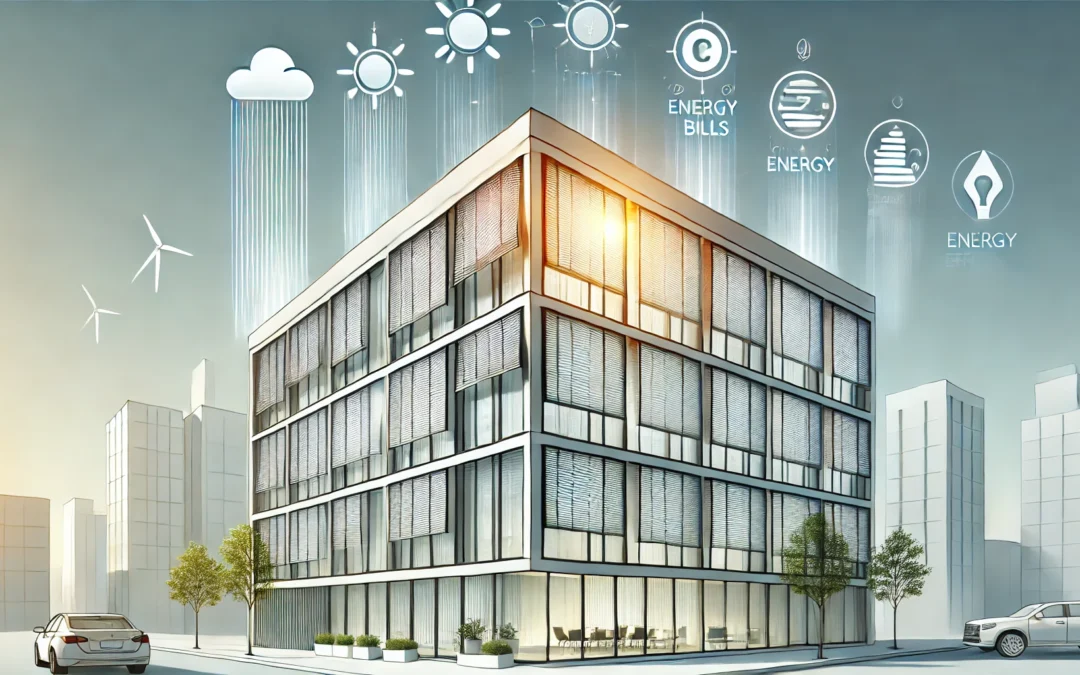
Solar screens are an innovative solution that offers both aesthetic appeal and practical benefits for buildings. These screens, designed to block a significant portion of the sun’s heat and UV rays, provide numerous advantages, especially when it comes to energy efficiency and overall building aesthetics. Here’s how solar screens can make a difference:
1. Cut Cooling Costs with Improved Energy Efficiency
Solar screens act as a protective barrier, blocking a significant portion of the sun’s heat before it enters your building. This leads to cooler indoor spaces and reduced reliance on air conditioning—particularly during India’s scorching summers. In many cases, this translates to up to 30% savings on cooling expenses, making solar screens an energy-smart upgrade for any climate.
2. Shield Interiors from Fading with UV Protection
With the ability to block up to 90% of harmful UV rays, solar screens help preserve the condition of furniture, flooring, curtains, and artwork. By minimizing direct sunlight exposure, they extend the lifespan of your interiors and reduce the need for frequent refurbishing or replacement.
3. Enhance Your Building’s Exterior Aesthetic
Solar screens are available in various colors, weaves, and design patterns, allowing for full customization to suit your building’s architectural style. Whether you're modernizing a commercial property or adding curb appeal to your home, these screens add a sleek and polished finish to windows without compromising on function.
4. Enjoy Natural Light Without the Glare
Bright rooms don’t have to come with uncomfortable glare. Solar screens soften incoming light, reducing eye strain and enhancing the usability of indoor spaces—especially those with screens or reflective surfaces. They strike the perfect balance between visibility and comfort.
5. Maintain Daytime Privacy with Outdoor Views
These screens work like one-way filters—obscuring the view from the outside during the day while preserving clear sightlines from inside. This makes them ideal for urban buildings, street-facing windows, or high-traffic environments where privacy is key.
6. Eco-Friendly Solution
Solar screens are a smart choice for green buildings. By reducing the need for air conditioning, they help lower electricity use and cut down on your building’s carbon footprint. These energy-saving window solutions support eco-friendly construction practices and make your home or office more sustainable. It's a small upgrade with a big impact on the environment. Combining solar screens with home solar solutions can further enhance energy savings.
7. Durable and Easy to Maintain
Built from long-lasting materials like fiberglass or PVC-coated polyester, solar screens can endure intense sun, wind, and rain. They resist fading, sagging, and tearing—requiring only occasional cleaning with a soft cloth or mild soap and water.
8. Versatile Installation Options
Solar screens offer flexible installation options to suit any property. They can be mounted inside or outside windows, and come in fixed panels or roll-up designs. This makes them ideal for homes, offices, apartments, and even industrial buildings. Whether you're building a new structure or upgrading an existing one, solar screens work great as a retrofit window shading solution or as part of a modern energy-efficient design.
9. Health Benefits: Reducing Sun Exposure
For occupants who spend long hours indoors, solar screens offer health benefits by reducing exposure to harmful UV rays. This can lower the risk of skin damage and other related health issues caused by excessive sun exposure.
10. Cost-Effective Investment
While solar screens require an upfront investment, the energy savings, extended lifespan of furnishings, and added value to the building’s aesthetics make them a cost-effective choice. Over time, the reduced energy bills can pay for the installation cost, providing both financial and environmental returns.
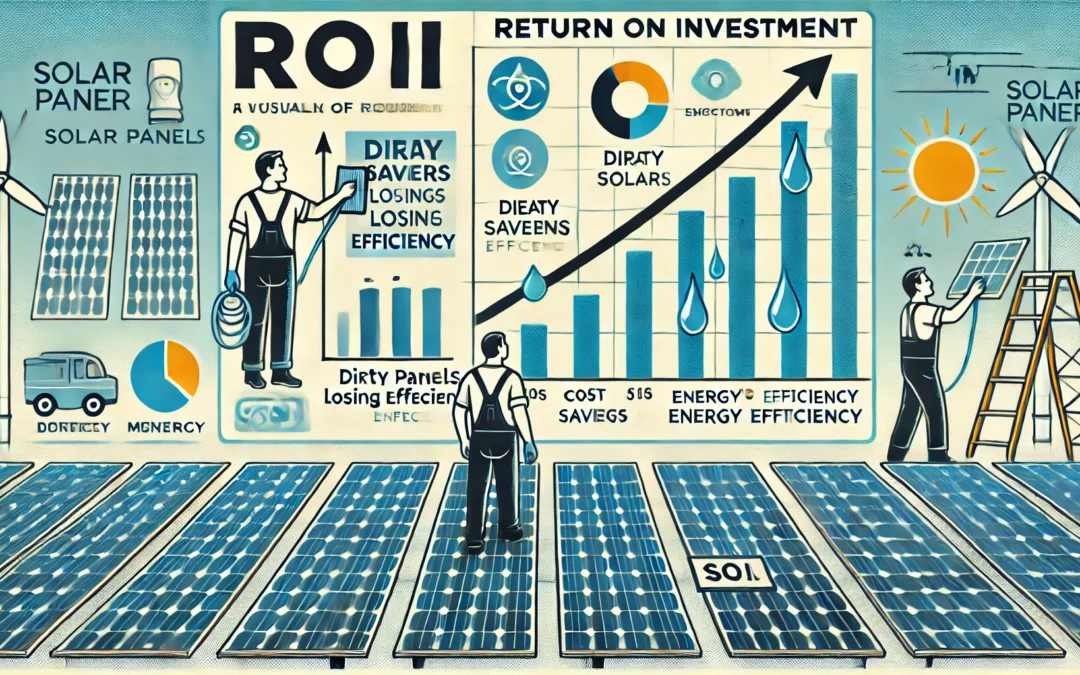
Calculating the Return on Investment (ROI) for a solar panel cleaning system is essential for any solar energy user or facility manager aiming to maximize long-term energy output and financial returns. Over time, solar panels accumulate dust, dirt, bird droppings, and other environmental debris that can reduce their energy efficiency by 10% to 30%—especially in high-dust or industrial areas.
At SynergySolar, a leading solar panel company, we understand that even the best solar installations need regular maintenance to perform at peak levels. Investing in a professional or automated solar panel cleaning system not only restores lost energy production but also extends the life of your panels, ensuring better financial returns on your renewable energy investment.
By maintaining clean panel surfaces, a solar cleaning system helps recover lost efficiency and ensures consistent energy generation—resulting in higher savings and a faster payback period.
1. Calculate the Cost of the Solar Panel Cleaning System
Start by determining the total investment required for the solar panel cleaning system. This includes:
Initial cost of the system: The cost of the cleaning equipment (manual, semi-automatic, or automatic).
Installation Charges: If it's an automated cleaning system, installation costs must be considered.
Operational and maintenance costs: Include water, electricity, labor (if applicable), and routine maintenance.
Formula:
Total Investment Cost = Cleaning System Cost + Installation Cost + Annual Operational Costs
2. Estimate the Energy Loss Due to Dirty Panels
Determine the energy loss percentage caused by dirt accumulation. Solar panels typically lose between 10% to 25% efficiency depending on environmental conditions like dust, pollution, or bird droppings.
For example, if your panels lose 15% efficiency due to dirt, and you’re producing 10,000 kWh annually, your lost energy output would be:
Lost Energy = 10,000 kWh × 0.15 = 1,500 kWh/year
3. Estimate the Energy Gain After Cleaning
Once you install a cleaning system, you can expect to regain the lost energy. Calculate the additional energy generated due to maintaining clean panels.
Energy Gain After Cleaning = Lost Energy
4. Calculate the Monetary Value of Energy Gain
To convert the additional energy into financial savings, use the local electricity rate (typically expressed as the cost per kWh).
If the local rate is $0.10 per kWh:
Annual Savings = Energy Gain After Cleaning × Electricity Rate
The payback period is the time it will take for the savings from the cleaning system to cover the initial investment.
Payback Period = Total Investment Cost / Annual Savings
If your total cleaning system cost is $1,000, and you save $150 annually, the payback period would be:
Payback Period=1,000/150 = 6.67 years
6. Calculate ROI
ROI is calculated by comparing the net returns (total savings over a period minus the initial investment) to the initial investment.
ROI = Total Savings Over Period − Total Investment Cost / Total Investment Cost ×100
If you expect the cleaning system to last for 10 years, your total savings over that period would be:
Total Savings Over 10 Years = 150 USD/year × 10 = 1,500 USD
Thus, the ROI would be:
ROI = 1,500−1,000 / 1,000 × 100=50%
7. Additional Considerations
Panel size and location: Larger solar installations in dusty or pollution-prone areas will see higher energy losses, which means more potential savings from regular cleaning.
Cleaning frequency: The frequency of cleaning (monthly, quarterly, etc.) will influence both operational costs and the amount of energy regained.
Degradation over time: Panels degrade naturally over time, but regular cleaning can help slow efficiency loss, which should be factored into long-term ROI calculations.
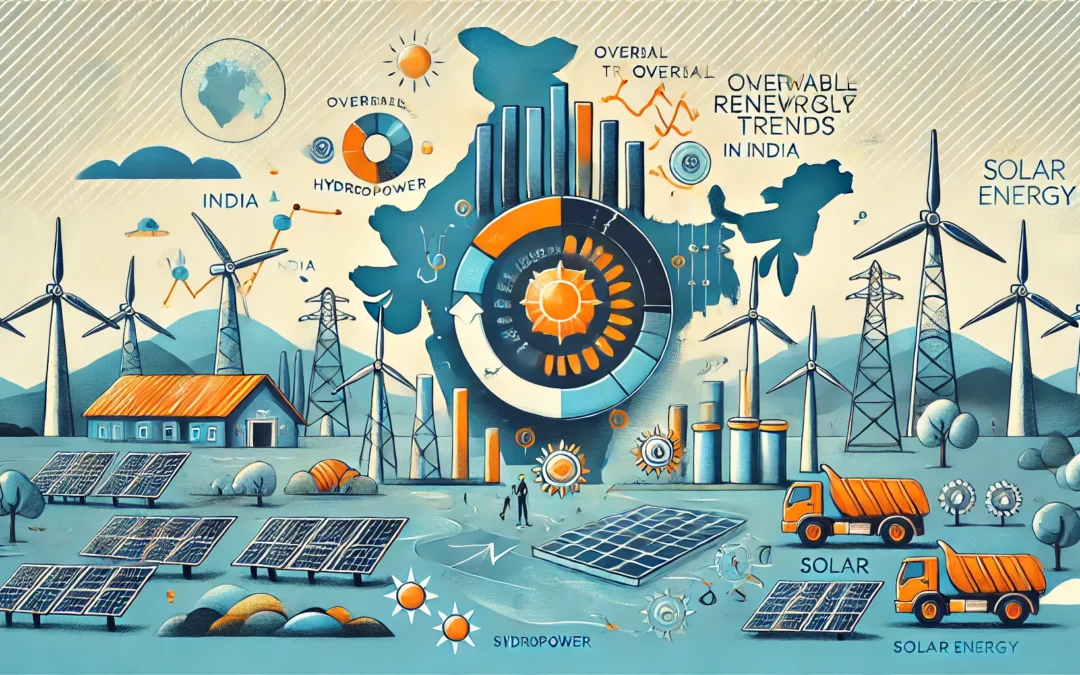
India is making significant strides in its energy sector, particularly focusing on the shift from conventional energy sources to renewable energy (RE). Solar energy, in particular, has emerged as a key player within the renewable energy landscape. Below is a comparative analysis of the overall renewable energy trends versus solar energy trends in India.
1. Renewable Energy Trends in India
India has established itself as one of the global leaders in renewable energy. The country is making continuous efforts to diversify its energy mix, with a strong emphasis on increasing the share of renewable sources like wind, solar, hydro, and bioenergy.
Key Trends in India's Renewable Energy Sector:
Installed Renewable Energy Capacity:
As of 2023, India's total renewable energy capacity stands at approximately 125 GW, which includes solar, wind, hydro, and bioenergy.
The government has set a goal of achieving 500 GW of non-fossil fuel energy capacity by 2030 to meet its climate and energy security objectives.
Diverse Energy Mix:
Wind Energy: India has a significant share of wind energy, with an installed capacity of over 42 GW. Coastal states like Tamil Nadu and Gujarat are leading in wind power generation.
Hydropower: India's hydropower potential is substantial, with a current installed capacity of over 46 GW. Large hydropower projects are crucial for balancing grid reliability and renewable energy integration.
Bioenergy: India is harnessing bioenergy from agricultural waste, municipal waste, and biomass, contributing approximately 10 GW to its renewable energy capacity.
Government Initiatives and Policies:
National Solar Mission: Launched in 2010, the mission aims to make India a global leader in solar power. The focus has been on large-scale solar projects and promoting rooftop solar installations.
Incentives and Subsidies: The government offers several incentives, such as capital subsidies, tax rebates, and accelerated depreciation, to promote investment in renewable energy.
Emerging Technologies:
Emerging Tech: India is exploring green hydrogen, pumped hydro storage, and smart grid integration to enhance RE capacity.
Challenges: Issues like land acquisition, financing, and intermittency continue to affect large-scale deployment.
Challenges:
Grid Integration: The intermittent nature of renewable energy sources presents challenges for grid stability. Efforts are underway to modernize the grid and enhance energy storage solutions.
Land Acquisition: Acquiring land for large-scale renewable energy projects, especially in densely populated areas, remains a challenge in India.
2. Solar Energy Trends in India
Solar energy is the most prominent segment of India's renewable energy sector. India is one of the fastest-growing markets for solar energy, and the country is poised to be a global solar powerhouse.
Key Solar Energy Trends in India:
Installed Solar Capacity:
India's installed solar power capacity exceeded 70 GW by the end of 2023. The country has set a target of 280 GW of solar capacity by 2030 as part of its broader renewable energy goals.
India is ranked among the top 5 countries globally in terms of installed solar power capacity.
Growth of Utility-Scale Solar:
Large-scale solar parks are the backbone of India's solar power generation. Projects like the Bhadla Solar Park in Rajasthan, one of the largest in the world, demonstrate India's focus on utility-scale solar.
States like Gujarat, Rajasthan, and Tamil Nadu are leading the country in solar capacity due to their vast land availability and high solar radiation.
Rooftop Solar Boom:
The rooftop solar market is growing rapidly, with a target of 40 GW of rooftop solar capacity by 2022. While India has yet to meet this target, the market is expanding in urban areas, commercial buildings, and industrial sectors. Reliable solar panel company in India provide turnkey solutions for homeowners and businesses.
Government schemes like PM-KUSUM promote solar installations for farmers, incentivizing solar pumps and solar irrigation systems, especially for off-grid rural areas.
Solar-Wind Hybrid Projects:
Solar-Wind Hybrids are being deployed to enhance power consistency and grid performance.
Innovations include:
Bifacial PV panels that capture light on both sides
Floating solar farms on reservoirs and canals
Solar tracking systems that follow the sun for higher efficiency
Cost Decline and Technology Advancements:
The cost of solar energy has fallen dramatically in the last decade due to advancements in technology, economies of scale, and competitive bidding in government auctions. As of 2023, solar tariffs in India are some of the lowest globally, at around INR 2 per kWh.
Advances in solar PV technologies such as bifacial solar panels, floating solar plants, and solar tracking systems are further driving the growth of solar energy in India.
Solar Manufacturing and Domestic Production:
To reduce import dependency, India is investing in local production under the PLI (Production Linked Incentive) scheme.
This includes manufacturing solar modules, cells, inverters, and batteries.
Solar Energy Storage:
Solar power generation is being coupled with energy storage systems (ESS) like lithium-ion batteries. This integration addresses the intermittency of solar energy, providing backup power during non-sunlight hours and stabilizing the grid.
Comparison: Renewable Energy vs. Solar Energy Trends in India
Aspect
Renewable Energy Trends
Solar Energy Trends
Installed Capacity
125 GW overall (wind, solar, hydro, bioenergy)
70 GW solar capacity (2023)
Growth Focus
Balanced focus on wind, hydro, solar, and bioenergy
Solar is the dominant growth sector with utility-scale and rooftop solar
Policy Support
National policies for various RE sectors; incentives for all RE types
Special focus on solar through National Solar Mission, PM-KUSUM, etc.
Cost Trends
Wind and hydro energy costs remain steady; bioenergy still evolving
Solar costs have dropped significantly, making it one of the cheapest energy sources
Challenges
Grid integration, land acquisition, financing
Land use, supply chain for domestic manufacturing, intermittency
Technology Focus
Wind-solar hybrids, green hydrogen, energy storage
Solar storage, advanced PV tech, floating solar, solar-wind hybrids
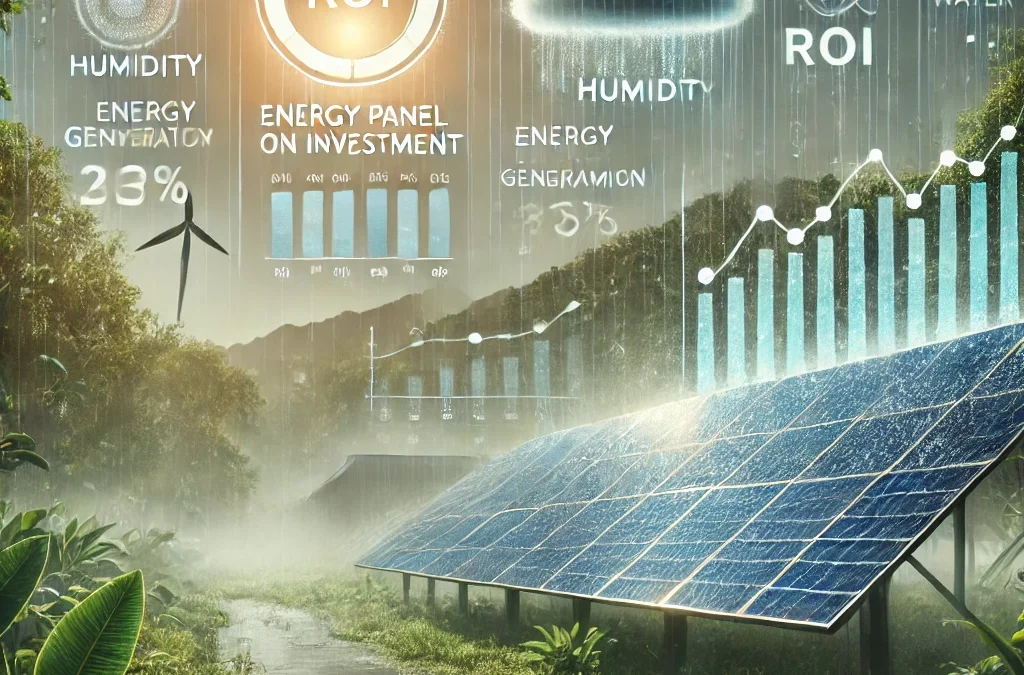
Solar panel efficiency can be affected by various environmental factors, including humidity. In humid areas, certain conditions may influence the performance of solar panels, but with proper system design and maintenance, solar panels can still provide a strong return on investment (ROI). Here's how humidity impacts solar panel efficiency and ROI:
1. How Humidity Affects Solar Panel Efficiency
1. Condensation & Water Film
Early morning dew or post-rain moisture can form a thin film on solar panels, reducing the amount of sunlight that penetrates the surface and reaches the photovoltaic (PV) cells. This temporarily lowers energy output.
2. More Dirt & Grime
Moisture attracts dust, pollen, salt, and even mold spores. These can stick to the panels and block sunlight. Without regular cleaning, this build-up can reduce efficiency by up to 15% over time.
3. Heat-Related Efficiency Loss
Humidity often comes hand-in-hand with high temperatures. For every 1°C above 25°C, solar panel output can drop by 0.3–0.5%. In hot, humid areas, this can add up quickly—especially during peak summer.
4. Accelerated Panel Degradation
In regions with extreme humidity, lower-tier panels may degrade faster if they lack moisture-resistant seals. However, Tier 1 solar panels are tested for such conditions and come with durability certifications like IEC 61701 (salt mist corrosion test).
2. Solutions to Optimize Efficiency in Humid Areas
Anti-Reflective Coatings: Panels with anti-reflective or hydrophobic coatings can help repel water and reduce moisture build-up, ensuring that more sunlight reaches the cells.
Regular Cleaning: Implementing a cleaning schedule in areas with high humidity can help keep dust, dirt, and other particles from accumulating on the panels, maintaining their efficiency.
Ventilation: Proper ventilation around the solar panel installation helps to reduce heat build-up, allowing the panels to operate closer to their optimal temperature.
Choosing the Right Panels: High-quality, Tier 1 solar panels are designed to withstand harsh weather conditions, including humidity, without degrading quickly. Look for panels with strong warranties and durability ratings (such as IEC 61701 certification for salt mist corrosion if the area is coastal).
3. Return on Investment (ROI) for Solar Panels in Humid Areas
Even in humid climates, solar panels can offer an attractive ROI, especially with rising electricity costs and government incentives. Here’s how to calculate and maximize ROI in these conditions:
Step-by-Step ROI Calculation
A. Initial Costs:
Panel Cost: Cost of purchasing and installing solar panels (typically in $/watt).
Installation Costs: Cost of mounting, wiring, and connecting to the grid.
Maintenance Costs: Budget for regular cleaning and maintenance, which might be higher in humid areas.
Average Annual Energy Output: This depends on factors like the number of sunlight hours, local temperature, and efficiency losses due to humidity.
In humid areas, you may assume a 5-10% efficiency reduction compared to drier climates, so adjust energy production estimates accordingly.
Energy Production= Peak Output × Sunlight Hours Per Day × 365 × Panel Efficiency
C. Energy Savings:
Multiply the energy production by the local electricity rate to determine how much you’ll save each year.
Annual Savings = Energy Production × Local Electricity Rate
D. Payback Period:
The payback period is the time it takes for your energy savings to cover the initial investment.
Payback Period = Total Initial Investment /Annual Savings
E. ROI:
To calculate ROI over the expected lifespan of the solar panels (typically 25-30 years), use the following formula:
ROI =Total Savings Over Lifetime − Initial Investment / Initial Investment × 100
4. Factors to Consider for ROI in Humid Areas
Incentives and Subsidies: Government incentives, such as tax credits or feed-in tariffs, can significantly boost ROI. Some countries and regions offer higher subsidies in areas with challenging climates to encourage renewable energy adoption.
Rising Energy Costs: As electricity costs rise, the ROI on solar panel installations improves. Even if your panels are slightly less efficient in humid areas, the cost of conventional energy sources will likely continue to increase, making solar a financially smart choice.
Energy Storage: Adding battery storage to your solar system allows you to store excess energy generated during peak sunlight hours for later use, further maximizing ROI, especially if you're in an area with high electricity prices.
5.Calculating and Enhancing ROI in Humid Areas
Despite the potential efficiency reductions due to humidity, solar panels can still yield a favorable ROI. Here's how to assess and improve it:
Initial Investment:
Panel and Installation Costs: Includes the purchase and setup expenses.
Maintenance Budget: Allocate funds for regular cleaning and upkeep, which may be higher in humid regions.
Energy Production Estimates:
Adjusted Output: Factor in a potential 5-10% efficiency reduction due to humidity when estimating annual energy production.
Financial Incentives:
Government Programs: Research local incentives, such as tax credits or rebates, which can significantly offset initial costs. For example, the Federal Solar Tax Credit offers a 30% deduction on installation expenses.
Net Metering:
Energy Credits: Inquire about net metering policies that allow you to sell excess energy back to the grid, enhancing financial returns.
Energy Storage Solutions:
Battery Systems: Incorporating energy storage can optimize the use of generated power, especially during peak demand times, further improving ROI.
Conclusion
Solar systems in humid areas (like; solar solutions in Guwahati) is a cost-effective and eco-friendly choice. With proper maintenance and quality panels, you can overcome humidity challenges, enjoy energy independence, lower bills, and achieve excellent ROI while contributing to a sustainable future.
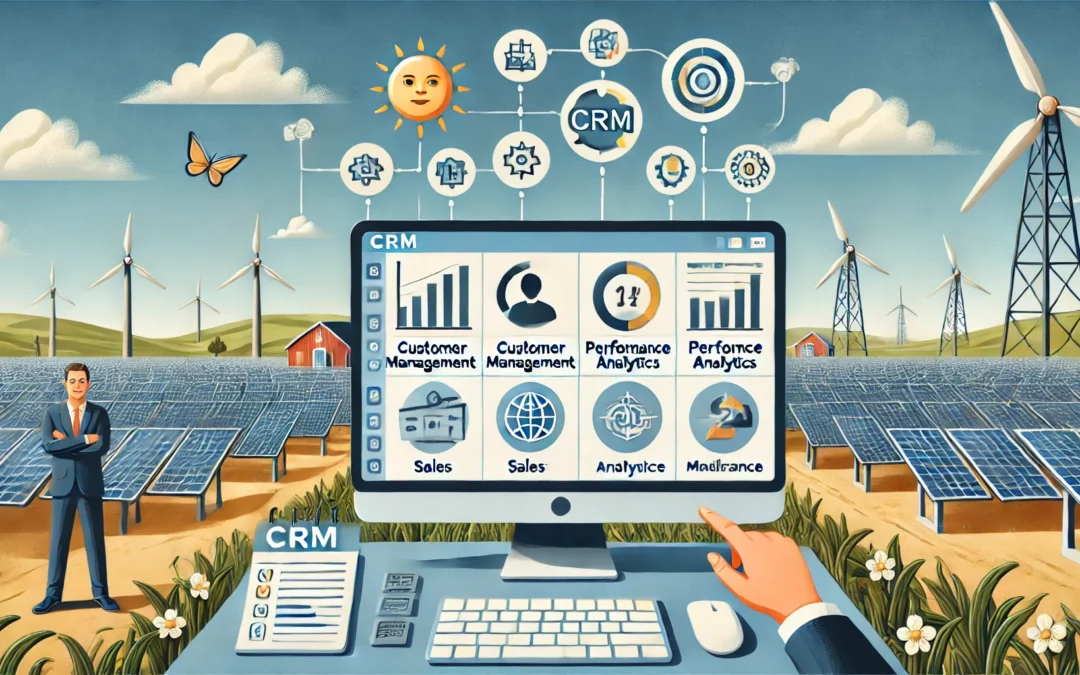
A Customer Relationship Management (CRM) system can be highly beneficial for solar farm owners, helping them streamline operations, manage customer interactions, and optimize sales processes. Here's how CRM can benefit solar farm owners:
Centralized Customer Data Management
A CRM acts as the central hub for storing customer information, from initial inquiries to ongoing service records. It keeps track of interactions, preferences, and transaction history, ensuring a personalized experience for farmers, agricultural businesses, and government stakeholders using agriculture solar solutions.
Example: If a client prefers email updates and previously inquired about panel upgrades, your team can proactively reach out with personalized offers.
Streamlined Lead Management for Expansion
For solar farm owners aiming to scale, a CRM provides full visibility into the sales pipeline. From initial inquiry to signed contract, you can track every step, prioritize hot leads, and improve conversion rates.
Pro Tip: Tag leads by interest (e.g., residential solar, commercial installations, EPC partnerships) for targeted follow-up campaigns.
Project Management:
CRM software can integrate with project management tools, enabling solar farm owners to manage installation, maintenance schedules, and new projects more efficiently. This helps in ensuring timely project completion and customer satisfaction.
Enhanced Customer Support:
Solar farm owners can use CRM to provide better after-sales support. With service history, warranties, and customer feedback stored, support teams can resolve issues faster, improving customer satisfaction and retention.
Performance Monitoring and Reporting:
CRM systems allow owners to monitor the performance of their sales and customer service teams through dashboards and reports. This data can guide decisions about marketing strategies, resource allocation, and customer targeting.
Automation of Routine Tasks:
Routine processes like invoicing, sending maintenance reminders, and follow-up emails can be automated in a CRM system. Automation saves time, reduces errors, and ensures no customer is overlooked.
Data Analytics for Strategic Decisions:
CRM systems offer insights through data analytics, helping solar farm owners identify trends, forecast sales, and optimize operations. This allows for better planning and decision-making based on reliable data.
Enhanced Collaboration:
CRMs allow teams within the solar farm business to collaborate effectively. Sales, marketing, and technical teams can access the same customer data, reducing miscommunication and improving coordination.
Regulatory Compliance Management:
Solar farms must comply with various regulations and incentives related to clean energy. A CRM can track compliance deadlines, policy changes, and customer eligibility for government schemes, making it easier to manage regulatory requirements.
Better Financial Management:
CRM systems can integrate with financial software, helping track payments, generate invoices, and manage financial reports. This reduces manual errors and ensures timely billing and collections.
By leveraging a CRM system, solar farm owners can enhance customer satisfaction, improve operational efficiency, and drive growth, ensuring long-term success in their business.