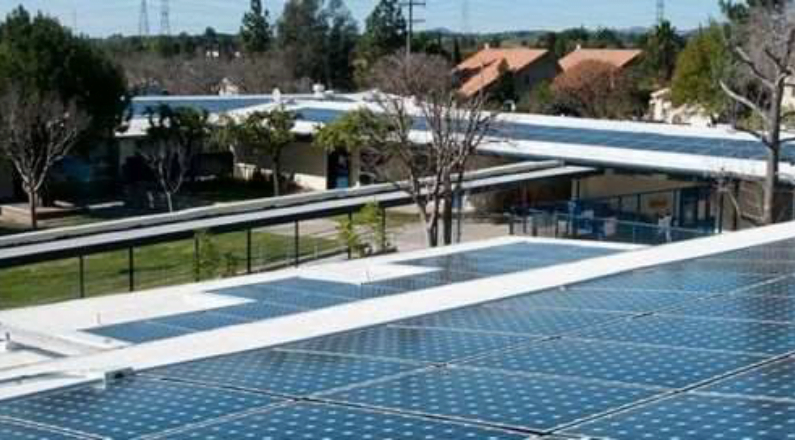
Reducing Carbon Emissions through Solar Panels:  A Sustainable Future

Reducing Carbon Emissions through Solar Panels: A Sustainable Future

As the world faces the growing challenge of climate change, the shift toward clean and sustainable energy sources has become more important than ever. Solar energy stands out as one of the most effective ways to reduce carbon emissions and combat environmental degradation. By capturing the sun’s energy through advanced photovoltaic systems, individuals and businesses can generate clean electricity while lowering their dependence on fossil fuels. Choosing a trusted solar panel installation company ensures that this transition is smooth, efficient, and tailored to your specific energy needs—ultimately contributing to a greener and more sustainable future.

Understanding Carbon Emissions

Carbon emissions primarily stem from the combustion of fossil fuels used for electricity generation, transportation, industrial processes, and residential heating. These emissions, primarily in the form of carbon dioxide (CO2), are the leading contributors to global warming and climate change. As the global population continues to rise, so does energy consumption, leading to increased fossil fuel use and consequently, elevated carbon emissions.

The Role of Solar Panels

Solar panels convert sunlight into electricity through the photovoltaic effect. This clean energy source offers a myriad of benefits regarding carbon emissions:

Clean Energy Generation

Unlike fossil fuel-based electricity generation, which releases significant amounts of CO2 and other pollutants, solar energy is renewable and produces no direct emissions. By transitioning to solar power, we can significantly reduce reliance on coal, natural gas, and oil, addressing the root causes of carbon emissions

Decentralized Energy Production

Solar panels can be installed at residential, commercial, and industrial sites, promoting decentralized energy production. This reduces transmission losses and the need for extensive energy infrastructure, which often relies on fossil fuels. By generating electricity closer to consumption points, we minimize additional emissions associated with energy transport.

Energy Independence

Investing in solar energy enhances energy independence by reducing dependence on imported fossil fuels. Countries that harness their solar potential can stabilize their energy systems and limit the environmental impact associated with fossil fuel extraction and transportation.

Job Creation and Economic Growth

The transition to solar energy is not solely an environmental issue; it also presents significant economic opportunities. The solar industry has proven to be a major job creator, supporting roles in manufacturing, installation, and maintenance of solar panels. These jobs are critical in a transitioning economy and help invigorate local communities while contributing to a decrease in carbon emissions.

Enhancing Efficiency and Technological Advancements

As research and development in solar technology progress, panels are becoming more efficient and affordable. Innovations in energy storage, such as batteries, allow for the accumulation of solar energy for use during non-sunny periods, further enhancing the reliability of solar power and reducing the need for fossil fuel backups

The Carbon Emission Impact of Solar Panels

    • The exact impact of solar panels on carbon emissions can vary depending on factors such as location, system size, and grid reliance. However, several studies highlight the positive correlation between solar energy adoption and reduced emissions:
    • A report by the National Renewable Energy Laboratory found that significant solar penetration can reduce CO2 emissions from the power sector by up to 80% by 2050 in the United States alone.
    • The International Energy Agency (IEA) reported that the rapid deployment of solar power could contribute to a major reduction in global carbon emissions by 2025, aligning with pathways to limit global warming to 1.5 degrees Celsius.

Conclusion

The need to address climate change is urgent, and the transition to renewable energy sources is critical in this effort. Solar panels represent a vital solution to reducing carbon emissions by enabling clean energy generation, promoting energy independence, and driving economic growth. By investing in solar energy, individuals, businesses, and governments can play a part in curbing emissions and paving the way for a more sustainable and resilient future.As awareness of solar energy's benefits rises, so does the opportunity to foster a collective commitment to transitioning away from fossil fuels. By harnessing the sun’s energy, we can mitigate climate change and ensure a healthier planet for future generations.


 

Solar Revolution & impacts-Making on the World Eco-friendly

Solar Revolution & impacts-Making on the World Eco-friendly

The solar revolution showing a significant acceleration toward sustainable and eco-friendly energy solutions. As countries worldwide seek to decrease their reliance on fossil fuels, solar energy stands out as a viable and abundant alternative. With the continuous advancements in solar technology, including increased efficiency and cost reduction, solar energy is becoming accessible to a broader audience, fostering global initiatives towards a greener planet. As technology advances and awareness of environmental issues grows, solar power has emerged as a leading contender in the quest for cleaner energy solutions. This revolution not only has the potential to reduce greenhouse gas emissions, but it also fosters economic growth, creates job opportunities, and enhances energy independence. By harnessing the sun's abundant energy, societies around the world are taking significant strides in making the planet more eco-friendly, paving the greener way for a sustainable future for generations to come. solar energy s not only fostering economic growth but also contributing to energy independence. The reduction of greenhouse gas emissions and pollution associated with traditional energy sources is instrumental in combatting climate change, further emphasizing the role of solar energy in protecting ecosystems. As societies strive to mitigate the impacts of climate change, embracing solar technology has never been more critical to ensuring environmental preservation and promoting a thriving planet for generations to come.

Table of Contents:

S.NoTOPICS
1Introduction
2Advancements in Solar Technology
3Environmental Benefits of Solar Energy
4Economic Impacts: Job Creation and Cost Savings
5Countries Leading the Charge
6Overcoming Challenges for a Brighter Future
7The Future of Solar Energy
8Conclusion

Introduction

As the world strives with the pressing need to address climate change and reduce our carbon footprint, the shift towards renewable energy sources has become more critical than ever. At the forefront of this green energy movement is solar power, a clean, abundant, and increasingly affordable resource. The solar revolution is not just a technological advancement but also a paradigm shift that is transforming how we generate and consume energy. By harnessing the power of the sun, we are paving the way for a sustainable and eco-friendly future. So, we delve into the profound impacts of the solar revolution and how it is driving the world towards a greener pathway.

Advancements in Solar Technology

Recent developments in solar panel technology have led to significant improvements in efficiency and effectiveness.

Increased Efficiency of Photovoltaic (PV) Cells

Modern PV cells are far more efficient than their predecessors, converting a higher percentage of sunlight into usable electricity. Advances in materials science, such as the development of multi-junction cells and the use of perovskite materials, have pushed efficiency rates well beyond 20%.

Bifacial Solar Panels

Bifacial solar panels can capture sunlight from both sides, allowing for increased energy production by up to 27% compared to monofacial panels.

Perovskite Solar Cells

The emergence of perovskite solar cells has revolutionized the market by offering lower production costs and superior light absorption properties, thus enhancing energy generation even under less-than-ideal conditions.

Smart Solar Systems and IoT Integration

The integration of smart technology and the Internet of Things (IoT) has enabled real-time monitoring and optimization of solar energy systems. Smart inverters, sensors, and data analytics allow for efficient energy management and improved system performance.

Environmental Benefits of Solar Energy

The adoption of solar energy offers numerous environmental benefits that contribute to making the world more eco-friendly. Solar power generation produces no greenhouse gases, significantly reducing carbon emissions and contributing to the fight against climate change. Moreover, solar energy systems consume minimal water compared to traditional energy sources, thus preserving precious water resources while also reducing air pollution, which is crucial for maintaining healthier ecosystems to lead go green.

Economic Impacts: Job Creation and Cost Savings

The solar industry has emerged as a major economic driver, creating a vast array of jobs ranging from manufacturing to installation and maintenance. This job growth has significantly outpaced other sectors, providing stable employment opportunities while also supporting local economies. Furthermore, by investing in solar energy, both households and businesses can experience substantial reductions in their energy costs over time, leading to greater financial stability and increased disposable income.

Countries Leading the Charge

Countries like Germany, China, India, and Bangladesh are leading the solar revolution with innovative policies and large-scale solar projects. Germany’s Feed-in Tariff system has significantly boosted solar energy production, while China has become the world's largest solar market by implementing supportive government policies. India’s initiatives, such as the Jawaharlal Nehru National Solar Mission, highlight the potential of solar energy to alleviate poverty and enhance energy access in rural areas.

Overcoming Challenges for a Brighter Future

Despite the progress made, challenges remain in the widespread adoption of solar energy. Barriers such as high initial costs, regulatory hurdles, and public perception issues hinder growth in some regions. Innovative financing models, supportive government policies, and increased community engagement are crucial for addressing these challenges and ensuring a successful transition to renewable energy.

The Future of Solar Energy

Looking ahead, the future of solar energy seems increasingly bright. With ongoing technological advancements and an expanding global market, solar energy is poised to play a pivotal role in achieving global sustainability goals. The integration of solar solutions into various sectors, such as agriculture and transportation, promises to unlock even greater potential for reducing humanity's ecological footprint.

The Future of Solar Energy

Conclusion

As we embrace the solar revolution, it is clear that individual actions, government policies, and corporate strategies must align to foster a sustainable future. By investing in solar energy, supporting eco-friendly initiatives, and promoting awareness, we can collectively contribute to making the world a cleaner, healthier, and more sustainable place for future generations. The solar revolution represents not just a pathway to cleaner energy but also an opportunity to redefine our relationship with the planet. Embracing this change is imperative for a sustainable future, where both people and the environment can thrive together.

Conclusion
How solar energy reduces CO2 & promotes agreener future

How solar energy reduces CO2 & promotes agreener future

The global transition to renewable energy sources is imperative in the fight against climate change. Among these, solar energy is a promising solution due to its abundance, sustainability, and potential to significantly reduce carbon dioxide (CO2) emissions. This blog will explore how solar energy contributes to CO2 reduction and fosters a greener, more sustainable future. Solar energy is derived from the sun's rays, which can be converted into electricity or heat through various technologies. It is renewable, abundant, and can be harnessed in many forms, including solar photovoltaic (PV) systems and solar thermal energy. While manufacturing solar panels does involve some emissions, the overall lifecycle emissions are significantly lower compared to fossil fuels. Studies indicate that the CO2 emissions associated with solar power are less than 20 gCO2/kWh, based on the energy used in production and installation energy systems can be deployed on rooftops and brownfields, minimizing land use impacts. This strategic placement helps preserve natural habitats and biodiversity while reducing urban heat island effects associated with traditional energy plants. By investing in solar energy, countries can reduce their reliance on imported fossil fuels, enhancing energy security. Localized solar production fosters energy independence, allowing communities to generate clean energy without external dependencies.

How solar energy reduces CO2 & promotes a greener future

Table of Contents:

S.NoTOPICS
1Introduction
2Solar energy benefits the environment
3Renewable energy and CO2 emissions
4The Lifecycle Emissions of Solar Energy
5Solar Energy and Carbon Footprint
6Promoting a Greener Future with Solar Energy
7Conclusion


Introduction

The global shift towards renewable energy sources is critical in addressing climate change and environmental degradation. Among these renewable options, solar energy stands out for its potential to drastically reduce carbon dioxide (CO2) emissions and foster a more sustainable, greener future. By harnessing the power of the sun, solar energy systems provide a clean and efficient alternative to fossil fuels, mitigating the adverse effects of greenhouse gases on our planet. Over time, solar energy can lower electricity bills for homeowners and businesses, as solar systems harness free sunlight, reducing reliance on purchased electricity.

Solar energy benefits the environment

Solar energy is not only a renewable and sustainable source of power but also provides multiple environmental benefits. By transitioning to solar energy, we can significantly reduce our ecological footprint and foster a healthier planet with CO2 emissions reduction.

Reduction in Greenhouse Gas Emissions

Reduction in Greenhouse Gas Emissions

One of the most significant environmental benefits of solar energy is its ability to reduce greenhouse gas emissions, particularly carbon dioxide (CO2). Unlike fossil fuels, which release CO2 and other harmful gases when burned, solar energy systems generate electricity without emitting pollutants. This reduction in CO2 emissions is crucial in mitigating climate change and its associated impacts, such as global warming, extreme weather events, and rising sea levels.

Decreased Air Pollution

Fossil fuel power plants emit various air pollutants, including sulphur dioxide (SO2), nitrogen oxides (NOx), and particulate matter, which can harm human health and the environment. These pollutants contribute to respiratory diseases, cardiovascular problems, and smog formation. Solar energy, on the other hand, produces electricity without releasing these harmful substances, leading to cleaner air and a reduction in pollution-related health issues.

Decreased Air Pollution

Solar energy benefits the environment

Traditional power generation methods, such as coal, natural gas, and nuclear, require significant amounts of water for cooling and processing. This can strain local water resources, especially in arid regions or during droughts. Solar photovoltaic (PV) systems, however, use minimal water, primarily for cleaning panels. By reducing the demand for water-intensive power generation, solar energy helps conserve precious water resources and protects aquatic ecosystems.

Renewable energy and CO2 emissions

Solar energy systems produce electricity without emitting CO2 or other greenhouse gases.

Direct Emission Reduction: Traditional fossil fuel power plants release a substantial amount of CO2. In contrast, solar PV systems generate electricity without any direct emissions, making them a clean alternative.
Offsetting Fossil Fuel Use: Every kilowatt-hour (kWh) of solar-generated electricity offsets the need for electricity from fossil fuels, thereby reducing CO2 emissions. Over the lifespan of a solar panel, this can amount to a significant reduction in CO2 output.
Reducing Dependence on Non-Renewable Resources: By harnessing solar energy, we decrease our reliance on finite fossil fuels, promoting a shift towards sustainable energy sources and reducing overall CO2 emissions from extraction, transportation, and combustion of these fuels.
Land Use and Biodiversity: Solar energy projects can be designed to coexist with agricultural activities and preserve natural habitats. By using rooftops, parking lots, and other built environments, solar installations can minimize land use impacts.

Renewable energy and CO2 emissions

The Lifecycle Emissions of Solar Energy

While solar panels have a carbon (CO2) footprint associated with their manufacturing, transportation, and installation, these emissions are minimal compared to the lifecycle emissions of fossil fuelbased energy. Advances in technology and manufacturing processes are continually reducing the carbon footprint of solar panels. Over their operational life (typically 25-30 years), the CO2 emissions avoided far outweigh the initial emissions from production.

Solar Energy and Carbon Footprint

Net Zero Energy Systems: By integrating solar panels with energy storage solutions and efficient energy management systems, households and businesses can achieve net-zero energy consumption. This means the total amount of energy used is equal to the amount of renewable energy generated, resulting in zero net CO2 emissions.
Grid Decarbonization: Large-scale solar farms contribute to the decarbonization of the electrical grid by supplying clean energy. As more solar energy is integrated into the grid, the overall carbon intensity of electricity decreases, leading to widespread CO2 emission reductions.

Promoting a Greener Future with Solar Energy

To maximize the benefits of solar energy, several strategies can be implemented:

Incentives and Policies: Governments can encourage the adoption of solar energy through subsidies, tax credits, and favorable policies. These incentives lower the cost of solar installations and accelerate the transition to renewable energy.
Research and Development: Continued investment in research and development can enhance the efficiency and affordability of solar technologies, making them more accessible to a broader population.
Public Awareness and Education: Educating the public about the benefits of solar panel and how to incorporate it into daily life can drive greater adoption and support for renewable energy initiatives.

Promoting a Greener Future with Solar Energy

Conclusion

Solar energy is a powerful tool in the fight against climate change, and partnering with the right solar panel company in India ensures a seamless transition to clean energy. By reducing CO2 emissions, conserving natural resources, and promoting sustainable development, solar energy plays a crucial role in creating a greener future. As technology advances and adoption increases, the positive impact of solar energy on the environment and society will continue to grow, paving the way for a cleaner, healthier planet. Embracing solar energy is not just an environmental imperative but also an opportunity to innovate and lead the world towards a sustainable future. Let’s harness the power of the sun and shine a light on a brighter, greener tomorrow. By incorporating solar energy into our lives, we can collectively make a significant impact on reducing CO2 emissions and promoting environmental sustainability. Greener energy aims to inspire individuals, businesses, and policymakers to support and invest in solar energy solutions for a better, greener future.

solar panel