by trueimpactdigital | Sep 21, 2024 | Solar Technology & Innovation
Hybrid energy systems that integrate wind, solar, and energy storage represent a significant advancement in the pursuit of reliable, sustainable, and cost-effective renewable energy solutions. These systems combine the strengths of multiple renewable sources, ensuring a more consistent power supply, especially in areas with variable weather conditions. Here’s an in-depth look at how these hybrid systems work and their advantages.
1. What is a Hybrid Energy System?
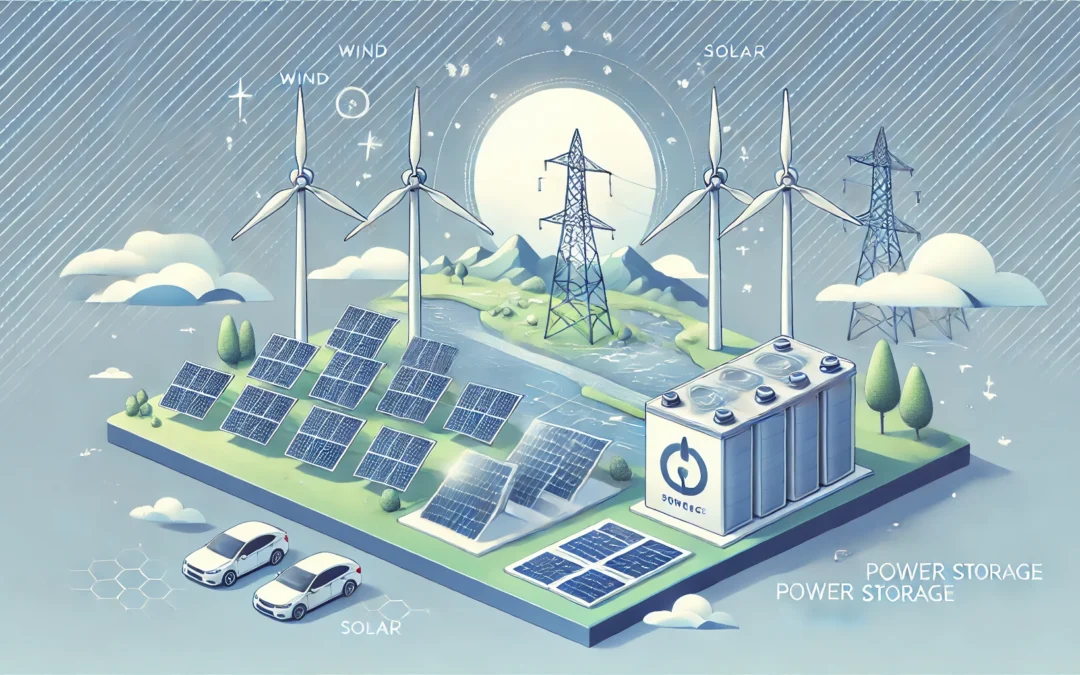
A hybrid solar energy solution combines two or more energy generation sources, Hybrid Energy Systems with solar ,Wind & batteries to create a stable and reliable power supply. The system maximizes renewable energy generation, reduces reliance on fossil fuels, and can operate either on-grid or off-grid.
Key Components of a Hybrid System:
- Wind Turbines: Capture kinetic energy from wind and convert it into electricity. Wind energy is typically more available at night or during periods of cloudy weather.
- Solar Panels: Photovoltaic (PV) panels generate electricity from sunlight during the day. Solar energy is especially productive during sunny periods.
- Energy Storage (Batteries): Stores excess energy produced by wind and solar systems for use during periods when generation is low (e.g., night, cloudy days, or calm wind conditions).
- Control System: A smart management system that monitors energy production and consumption, switching between sources as needed and ensuring that stored energy is used when necessary.
2. Benefits of a Hybrid Energy System (Wind + Solar + Storage)
A. Complementarity of Wind and Solar Power
- Balancing Intermittency: One of the major challenges of wind and solar energy is their intermittent nature—solar power is only available during daylight hours, and wind power is not constant. However, wind and solar energy sources often complement each other. Wind energy tends to be stronger at night or during cloudy weather when solar power is not available. By combining both sources, the hybrid system can generate power more consistently.
- Maximizing Resource Use: Using both wind and solar maximizes the use of available natural resources, ensuring that renewable energy is produced throughout the day and night.
B. Energy Storage Increases Reliability
- Energy Storage Smoothing: Batteries store excess energy produced during periods of high wind or strong sunlight. This stored energy can then be used when demand exceeds the immediate generation, such as at night or during periods of low wind or cloudy days.
- Grid Independence: For off-grid systems, energy storage is crucial for ensuring power availability when renewable energy sources are not generating electricity. With a battery system, the hybrid system can operate autonomously, providing power 24/7.
- Grid Support: In on-grid systems, energy storage can provide backup power during outages, improve grid stability, and even allow users to sell excess energy back to the grid during peak hours (time-of-use optimization).
C. Higher Efficiency and Lower Costs
- Increased Efficiency: By utilizing both wind and solar, hybrid systems can produce energy more consistently and efficiently than systems relying on a single renewable source.
- Cost Reduction: Over time, hybrid energy systems can reduce electricity costs by lowering dependence on fossil fuels and decreasing energy bills. Initial setup costs are increasingly offset by technological advancements in solar, wind, and energy storage technologies, making hybrid systems more affordable.
- Long-Term ROI: Hybrid systems often yield a better return on investment (ROI) compared to standalone wind or solar systems due to their higher utilization rates and reduced downtime.
D. Environmental Benefits
- Lower Carbon Footprint: Hybrid systems significantly reduce greenhouse gas emissions by replacing fossil fuels with clean, renewable energy. By integrating wind, solar, and storage, hybrid systems provide a continuous supply of renewable energy, minimizing reliance on polluting backup generators.
- Land and Resource Optimization: In regions with limited land, hybrid systems allow for more efficient use of space by combining wind and solar installations in a single area.
3. Applications of Hybrid Energy Systems
A. Rural and Remote Areas
- Off-Grid Communities: In areas where grid infrastructure is unreliable or non-existent, hybrid systems provide a reliable source of electricity. By combining wind, solar, and storage, off-grid communities can enjoy continuous power supply without relying on expensive diesel generators.
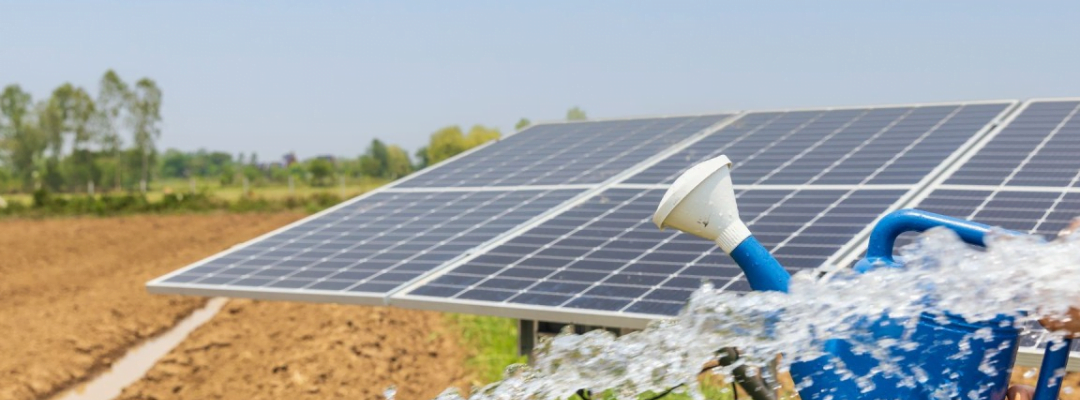
- Agricultural Sector: Farmers can benefit from hybrid systems by powering irrigation systems, livestock operations, and storage facilities, especially in remote locations where grid connections are costly or unreliable.
B. Commercial and Industrial Applications
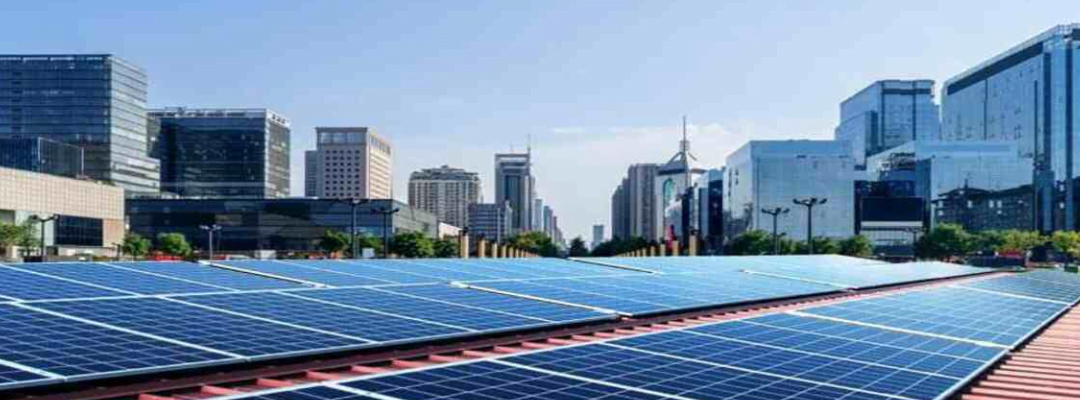
- Commercial Buildings: Hybrid solar energy solution systems can provide reliable energy for businesses, reducing their energy costs and carbon footprints. Industrial facilities that operate around the clock benefit from having a steady supply of renewable energy that offsets peak-hour pricing.
- Microgrids: Hybrid energy systems are often used in microgrids, which provide localized energy solutions for communities, campuses, or industrial complexes. Microgrids that combine wind, solar, and storage are especially valuable in disaster-prone or energy-constrained areas.
C. Utility-Scale Projects
- Large-Scale Wind-Solar Hybrid Farms: Utility-scale projects are increasingly integrating wind, solar, and storage to create hybrid power plants that feed clean energy directly into the grid. These plants can provide more consistent energy generation, reduce transmission losses, and offer backup power during outages.
- National Energy Security: Hybrid energy systems are a part of national energy strategies aimed at enhancing energy security by diversifying the energy mix and reducing dependency on imported fossil fuels.
4. Challenges in Hybrid Energy Systems
A. Initial Capital Costs
- Although the long-term savings and ROI of hybrid systems are significant, the initial capital costs for purchasing and installing wind turbines, solar panels, and energy storage systems can be high. However, decreasing costs of solar PV, wind turbines, and battery storage are making hybrid systems more affordable over time.
B. Energy Storage Limitations
- While energy storage technology is advancing, current battery systems still have limitations, including high costs, limited capacity, and degradation over time. Developing more efficient, affordable, and durable storage technologies is crucial for the future success of hybrid energy systems.
C. Regulatory and Grid Integration Challenges
- Integrating hybrid systems into existing grid infrastructures can be complex. Regulatory policies, grid connection requirements, and tariffs may vary by region, and utilities may need to adapt their systems to accommodate decentralized renewable generation.
D. Resource Availability
- Hybrid systems depend on the availability of both solar and wind resources. In regions where one resource is scarce, the benefits of a hybrid system may be limited. Careful site selection and resource assessment are critical to the success of these projects.
5. Future Trends in Hybrid Energy Systems
- Advances in Storage Technology: Energy storage technology, particularly lithium-ion and solid-state batteries, is evolving rapidly, offering greater storage capacities, longer lifespans, and faster charging times. This will improve the reliability and cost-effectiveness of hybrid systems.
- Hydrogen as Storage: Green hydrogen production from surplus solar and wind energy could emerge as a large-scale energy storage solution, allowing energy to be stored for longer durations than traditional batteries.
- Artificial Intelligence (AI) Integration: AI and machine learning are being increasingly used to optimize energy management within hybrid systems. AI can predict energy demand, weather conditions, and generation capacity, allowing hybrid systems to maximize efficiency.
- Floating Wind-Solar Systems: Combining floating solar panels with offshore wind farms is an emerging trend, offering efficient use of ocean and lake surfaces while producing large amounts of renewable energy.
Conclusion
Hybrid energy systems that integrate wind, solar, and energy storage offer a comprehensive solution to the challenges of renewable energy intermittency, providing a stable, efficient, and environmentally friendly power supply. As technology continues to improve, the adoption of these hybrid systems will increase, playing a key role in global efforts to transition to a low-carbon future and enhance energy security. The combination of wind and solar with storage ensures renewable energy availability around the clock, making hybrid systems a cornerstone of future energy infrastructure.
by trueimpactdigital | Sep 20, 2024 | Solar Farms & Agriculture
When planning an agriculture off grid solar power system for irrigation, there are several critical factors to consider to ensure the system is efficient, reliable, and suitable for your farming needs. Here’s what you need to know:
1. Assess Irrigation Power Needs
- Water Requirements: Determine the volume of water required for irrigation based on the size of your land, type of crops, and climate. This helps calculate how much energy is needed to pump water.
- Pump Size: Depending on the depth of the water source (well or surface water), you’ll need a pump that matches the pressure and flow rate requirements of your irrigation system.
- Hours of Operation: Estimate how many hours per day the pump needs to run to meet irrigation demands.
2. System Components
- Solar Panels: Select panels that can generate sufficient electricity to power the irrigation system. The number and type of panels will depend on your energy needs, available sunlight, and the size of the system.
- Solar Pump: Opt for a solar water pump that matches your irrigation requirements. These pumps can either be AC or DC, with DC pumps being more efficient for solar-powered systems.
- Batteries (Optional): If irrigation is needed during non-sunlight hours or if you want backup power, install batteries to store excess energy generated during the day.
- Controller: A solar pump controller regulates the power from the panels to the pump, ensuring consistent water flow and protecting the pump from overvoltage or under-voltage.
- Inverter (Optional): If you use an AC-powered pump, you’ll need an inverter to convert DC power from the panels into AC. DC pumps, however, connect directly to the panels.
3. System Sizing
- Pump Power: Based on your water source depth, irrigation method (drip, sprinkler, etc.), and flow requirements, calculate the size of the pump in horsepower (HP) or kilowatts (kW).
- Solar Panel Array Size: Determine how many solar panels you need to power the pump. This is based on the pump’s energy requirements (in watts) and the sunlight available at your location.
- Battery Bank: If you decide to include batteries, ensure they are sized to store enough energy to run the pump during cloudy days or when irrigation is required at night.
4. Types of Irrigation Systems
- Drip Irrigation: Requires less water and energy, making it a good fit for solar-powered systems in remote areas with limited water resources.
- Sprinkler Systems: Requires more power due to higher water pressure needs. Ensure your solar pump system is adequately sized for the additional energy demand.
- Flood Irrigation: More energy-intensive and may require larger pumps and solar systems.
5. Location and Sunlight Availability
- Sunlight Hours: The performance of your solar panels will depend on the available sunlight, which varies by region and season. Design your system based on the average daily sunlight hours.
- Panel Orientation and Tilt: Solar panels should be oriented and tilted to capture maximum sunlight throughout the day. For agricultural purposes, install them in a location free of shading (trees, buildings, etc.).
- Seasonal Changes: Consider how sunlight hours change seasonally and plan for possible lower energy output during certain times of the year. A battery system can help store energy for these periods.
6. Cost Considerations
- Initial Investment: Solar irrigation systems have a higher upfront cost compared to diesel or grid-powered systems. However, they have significantly lower long-term operating costs.
- Long-Term Savings: After the initial installation, solar-powered systems have minimal operational costs, as sunlight is free. This helps reduce fuel or electricity costs, making solar irrigation more cost-effective over time.
- Maintenance: Solar systems have low maintenance needs, especially compared to diesel-powered pumps, which require regular servicing and fuel supply management.
7. Environmental and Sustainability Benefits
- Renewable Energy: Solar power is a clean, renewable energy source, making it an environmentally friendly option for agriculture.
- Reduced Carbon Footprint: By using solar-powered irrigation, you reduce reliance on fossil fuels, lowering greenhouse gas emissions and contributing to sustainable farming practices.
- Water Conservation: Pairing solar energy with efficient irrigation systems like drip irrigation can significantly conserve water, especially in arid or drought-prone regions.
8. System Reliability and Backup
- Dependable Power Source: Solar systems provide reliable power in off-grid areas where access to the electrical grid is unavailable or inconsistent.
- Backup Power (Optional): For areas with variable weather or prolonged cloudy periods, a backup generator or additional battery storage may be needed to ensure continuous water supply.
9. Regulatory and Incentive Opportunities
- Government Subsidies: Many governments provide subsidies or incentives for solar-powered agricultural systems. Research available programs that can help reduce the initial cost of installation.
- Permits and Approvals: Check with local authorities regarding any permits or approvals needed to install an off-grid solar system for irrigation.
10. Maintenance and Durability
- Panel Cleaning: Solar panels in agricultural areas can accumulate dust or dirt, which can reduce their efficiency. Regular cleaning and maintenance are important for optimal performance.
- Pump Maintenance: Solar pumps generally require minimal maintenance but should be checked periodically to ensure smooth operation, especially in harsh or remote environments.
- System Lifespan: High-quality solar panels and pumps can last 20 years or more, providing long-term reliability and cost savings.
11. Scalability
- Future Expansion: If your irrigation needs increase or if you expand your farming operations, make sure your solar system can be easily scaled by adding more panels or pumps.
- Modular Systems: Some solar irrigation systems are modular, allowing for easy upgrades as water or energy needs grow.
12. Integration with Water Storage
- Water Tanks or Reservoirs: For maximum efficiency, consider integrating water storage solutions (e.g., tanks or ponds) that store excess water when solar energy is abundant, allowing you to irrigate even when solar production is low.
- Gravity-Fed Systems: Combining solar with gravity-fed irrigation from elevated storage tanks can reduce the energy needed for pumping, providing an efficient way to distribute water across fields.
By considering these factors, you can design an efficient, sustainable off-grid solar-powered irrigation system that meets the specific needs of your agricultural operations.
by trueimpactdigital | Sep 19, 2024 | General
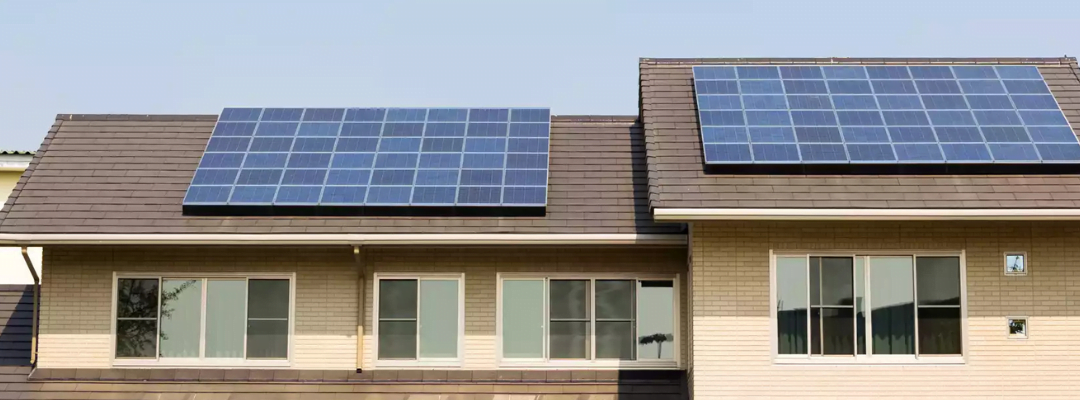
When planning a solar PV system for remote living in homes or commercial spaces, it's essential to consider several factors to ensure reliable and sustainable power. Here’s what you need to know:
1. Energy Requirements Assessment
- Calculate Your Power Needs: Start by determining your total daily energy consumption. List all the appliances and devices you’ll use, their wattage, and the estimated number of hours each will run. This helps you size your solar PV system appropriately.
- Plan for Peak Usage: Consider peak times of energy usage and ensure your system can handle higher loads during those periods.
2. System Components
Solar Panels
Select high-efficiency solar panels with a good performance warranty. For remote or off-grid solar installations, space and sunlight availability are critical—opt for monocrystalline panels for better performance in limited sunlight.
Battery Storage
Batteries are vital for storing excess energy for use at night or during cloudy days. Lithium-ion batteries offer higher efficiency and longer lifespan, while lead-acid batteries are more budget-friendly but require more maintenance.
Charge Controller
This device regulates the current and voltage from the panels to the batteries, preventing overcharging and prolonging battery life.
Inverter
A pure sine wave inverter is recommended for converting DC (from solar panels and batteries) to AC (used by most household appliances). Choose an inverter rated higher than your peak load.
3. Off-Grid System Sizing and Capacity Planning
Solar Array Sizing :
Your solar array must generate enough energy to meet daily demand and fully charge batteries. Include a buffer for inefficiencies and poor weather days.
Battery Bank Sizing :
For a residential off grid solar system, plan for 2–3 days of backup power for uninterrupted supply. This is crucial in areas with inconsistent sunlight or during monsoons and winters.
4. Location, Sunlight Access, and Orientation
Site Location and Sun Exposure :
Install solar panels in a location that gets unobstructed sunlight throughout the day. Trim trees or reposition panels if necessary.
Panel Orientation and Tilt Angle :
Adjust the tilt and orientation based on your geographic location. Typically, panels should face true south (in the northern hemisphere) and be tilted at an angle close to your latitude.
5. Maintenance and Monitoring of Off-Grid Systems
Panel Cleaning :
Dust, snow, or debris can reduce panel efficiency by up to 30%. Regular cleaning is especially important in rural or dusty environments.
Battery Maintenance :
Depending on the type, check for corrosion, electrolyte levels (in lead-acid), or monitor charge levels (in lithium-ion).
Remote Monitoring Systems :
Many modern off-grid systems offer smart monitoring apps that allow you to track energy production, battery levels, and system health from anywhere.
6. Off-Grid Solar Costs and Budget Planning
Initial Setup Costs :
Off-grid systems are more expensive upfront due to batteries, inverters, and backup generators. However, they eliminate monthly utility bills.
Long-Term Financial Benefits :
Enjoy energy independence and cost savings over time. Your investment pays off in 5–10 years, depending on system size and usage.
Government Incentives and Subsidies :
Check for solar subsidies, grants, or tax benefits available in your region. Many governments support renewable energy adoption through incentives.
7. Sustainability and Backup Power
- Energy Efficiency: In remote living situations, energy efficiency is crucial. Use energy-efficient appliances and lighting to reduce overall power consumption.
- Backup Power: Always have a backup plan, such as a generator, in case of extended periods without sunlight or if the solar system underperforms.
8. Seasonal and Weather Considerations
Account for Seasonal Variability :
Solar generation is lower in winter or during rainy seasons. Design your system to handle low-sunlight days with sufficient storage.
Extreme Weather Protection :
Choose panels and equipment rated for wind, snow, and rain resistance. Consider protective shelters or reinforced mounts for harsh climates.
9. Permits, Regulations, and Legal Compliance
Understand Local Laws :
Verify zoning regulations, building permits, and environmental codes. Some locations may require inspection or approval for off-grid systems.
Water Pumps and Heating Loads :
If you're using solar for water pumps or space heating, account for the additional load in your power calculations and system sizing.
10. Energy Independence
Live Off the Grid with Confidence :
Off-grid solar ensures complete energy autonomy, freeing you from rising electricity costs and grid outages.
Eco-Friendly Living :
Reduce your carbon footprint and embrace sustainable, green energy with a clean, renewable power source.
By understanding these aspects and properly designing your off-grid solar PV system, you can achieve a self-sufficient and reliable power source for remote living.
by trueimpactdigital | Sep 18, 2024 | Educational & General Guides
Hiring an experienced solar PV panels installation company comes with several key advantages:
1. Industry-Leading Expertise and Knowledge
An experienced solar installation company brings deep technical knowledge of photovoltaic systems, solar components, and energy management. Their expertise ensures:
- Optimal system sizing and configuration
- High energy output and long-term performance
- Professional advice tailored to your specific energy needs
2. Accurate Solar System Design
Every property is unique. A seasoned installer will:
- Conduct a detailed site and roof analysis
- Recommend the right solar panel type, size, and inverter
- Optimize tilt angles and placement for maximum sunlight exposure
This customized solar solution helps you save more on your electricity bills.
3. Superior Quality Materials & Workmanship
Top solar companies use certified, high-quality solar panels and components that:
- Withstand harsh weather conditions
- Are backed by strong warranties and manufacturer support
4. Full Compliance with Local Regulations
Experienced solar contractors stay updated with:
- Government norms, safety codes, and building regulations
- Local permits and approvals for smooth project execution
- Grid connection protocols for net metering or feed-in tariffs
This saves you time and avoids legal or technical setbacks.
5. Maximum Return on Investment (ROI)
With professional installation, your solar PV system:
- Delivers consistent and reliable energy savings
- Qualifies for tax credits, subsidies, and solar incentives
- Pays for itself faster with optimized efficiency
You get the best value for your solar investment.
6. Comprehensive Warranty and After-Sales Support
Reputable solar companies provide:
- Installation and equipment warranties
- Dedicated customer support for troubleshooting
- Maintenance plans for long-term care
This ensures a worry-free solar experience for years to come.
7. Guaranteed Safety Standards
Installing solar panels involves electrical work and working at heights. An experienced team:
- Follows industry best practices and safety protocols
- Uses appropriate protective gear and equipment
- Minimizes risks of injury, fire, or system malfunction
Your safety and that of your property is never compromised.
8. Faster and Hassle-Free Installation
Professional installers offer:
- Streamlined project timelines
- Minimal disruption to your home or business
- End-to-end management from design to commissioning
This means you enjoy clean energy sooner and stress-free.
9. Ongoing Monitoring and Maintenance Services
Many experienced providers offer:
- Remote performance monitoring systems
- Preventive maintenance to avoid performance drops
- Quick repair services when needed
This keeps your system in peak condition throughout its lifetime.
10. Increased Property Value
A high-quality solar installation:
- Boosts your property's market value
- Makes your home more attractive to eco-conscious buyers
- Adds long-term energy cost savings to the resale appeal
Overall, hiring an experienced solar PV panel installation company ensures a hassle-free, efficient, and reliable transition to solar power.
Choose Synergy Solar Solution for expert solar PV panel installation. Benefit from professional expertise, quality service, and reliable energy solutions tailored to your needs.
by trueimpactdigital | Sep 17, 2024 | Solar Economics & ROI
Solar power systems and daylighting can complement each other to enhance energy efficiency and sustainability in buildings. Here's how:
Harnessing natural light and renewable energy can significantly elevate a building’s energy performance. By integrating solar power systems with daylighting solutions, homeowners and businesses in India can achieve remarkable energy efficiency, sustainability, and cost savings. Here's how this powerful combination works:
1. Enhanced Energy Efficiency with Dual Solutions
Both solar energy and daylighting contribute to reducing overall energy consumption:
- Daylighting systems minimize dependence on artificial lighting during daylight hours by maximizing natural illumination.
- Solar panels convert sunlight into usable electricity to power other essential appliances and systems in the building. This dual approach reduces the need for conventional energy sources, cutting down on utility bills and operational costs.
2. Peak Power Generation and Savings
Solar energy production peaks during the day, the same time daylighting systems are most effective. For businesses using commercial solar solutions, this alignment offers a unique advantage such as:
- Reduces electricity drawn from the grid during peak demand hours
- Supports efficient use of solar-generated power for lighting, cooling, and equipment usage
- Leads to significant cost savings on monthly energy expenses
3. Optimized Building Design for Performance and Aesthetics
Combining daylighting systems such as skylights, solar tubes, or light shelves with rooftop solar panels:
- Enhances architectural value
- Makes optimal use of roof space for energy generation
- Improves indoor environments by promoting natural lighting and ventilation This integrated design approach increases the property’s green building rating and overall resale value.
4. Environmental Impact Reduction
Using daylighting and solar energy together drastically reduces dependence on non-renewable energy sources, resulting in:
- Lower greenhouse gas emissions
- Reduced carbon footprint of the building
- Compliance with green building certifications like LEED, GRIHA, and other sustainability standards
5. Reliable Power Even Beyond Daylight Hours
Modern solar systems with battery storage allow surplus electricity to be stored during sunny hours and used:
- During nighttime
- On cloudy days
- In emergency backup scenarios This ensures a consistent and uninterrupted power supply, even when natural light is unavailable.
This combination results in a highly sustainable energy solution for homes and commercial spaces.