Installing a solar system in a housing society is only the first step. To get maximum savings and ensure long-term performance, the system needs regular cleaning, checks, and servicing.
This is where Operations & Maintenance (O&M) comes in. With a proper AMC (Annual Maintenance Contract), societies can keep their solar plants performing at peak efficiency for 20+ years, ensuring lower bills and smooth operation.
Why O&M is Important for Housing Societies
Many societies assume solar is “install and forget.” But in reality:
Dust and dirt on panels can reduce efficiency by 15–20%.
Loose wiring or inverter faults can stop generation unexpectedly.
Unmonitored systems often go unnoticed until bills start rising.
Without O&M, societies lose both energy savings and financial returns.
What an AMC (Annual Maintenance Contract) Includes
A good AMC plan for housing society solar systems usually covers:
Regular Panel Cleaning
Prevents dust, bird droppings, and pollution from blocking sunlight.
Inverter & Electrical Checks
Ensures smooth conversion of DC to AC power.
Identifies issues early before they become major failures.
Performance Monitoring
Online dashboards track daily generation.
Alerts sent in case of low output or system faults.
Preventive Maintenance
Checking structures, wiring, and junction boxes.
Avoids accidents, water leakage, or fire risks.
Emergency Repairs
Quick response in case of breakdowns.
Warranty Support
EPC partner coordinates with manufacturers for panel or inverter replacements.
Cost of O&M for Housing Societies
AMC typically costs 1–2% of the total project value per year.
Example: For a ₹40 lakh, 100 kW system → AMC may cost ₹40,000–80,000 annually.
Small compared to the ₹12–15 lakh yearly savings from the solar system.
A well-maintained system pays for itself many times over by avoiding performance loss.
How Solar O&M Lowers Maintenance Charges for Housing Societies
A 100 kW system with dirty panels might produce only 11,000 units/month instead of 12,000 units.
That’s a loss of 1,000 units → worth ₹8,000 per month.
Over a year, that’s almost ₹1 lakh lost due to poor upkeep.
By simply signing an AMC, societies ensure consistent high generation, directly lowering monthly maintenance bills for all residents.
Real Examples
Example 1: XYZ Residency, Bangalore
Installed: 80 kW solar plant
Problem: Bills weren’t reducing as expected.
Issue Found: Panels had not been cleaned for months, reducing output.
Solution: AMC signed, regular cleaning started.
Result: Monthly savings jumped from ₹75,000 to ₹95,000.
Example 2: ABC Heights, Mumbai
Installed: 120 kW rooftop solar
With AMC: Real-time monitoring alerted inverter failure.
Quick fix saved ~₹1.5 lakhs in potential lost generation.
Why Choose a Professional EPC Partner for O&M
Trained technicians with proper safety gear.
Certified tools & monitoring systems for accurate performance tracking.
Empaneled with DISCOM → ensures compliance and warranty protection.
Long-term reliability → ensuring 25+ years of continuous savings.
When a housing society installs a solar plant, it doesn’t use all the generated power at every moment. Sometimes, extra electricity is produced during the day, especially when lifts and pumps are not running. Instead of letting this power go to waste, net metering allows societies to send it back to the grid and earn credits.
For housing societies, net metering is the key to maximizing savings from rooftop solar. In this blog, we explain in simple terms:
What net metering is
The step-by-step process to get it
How much savings it brings
Common challenges and solutions
What is Net Metering?
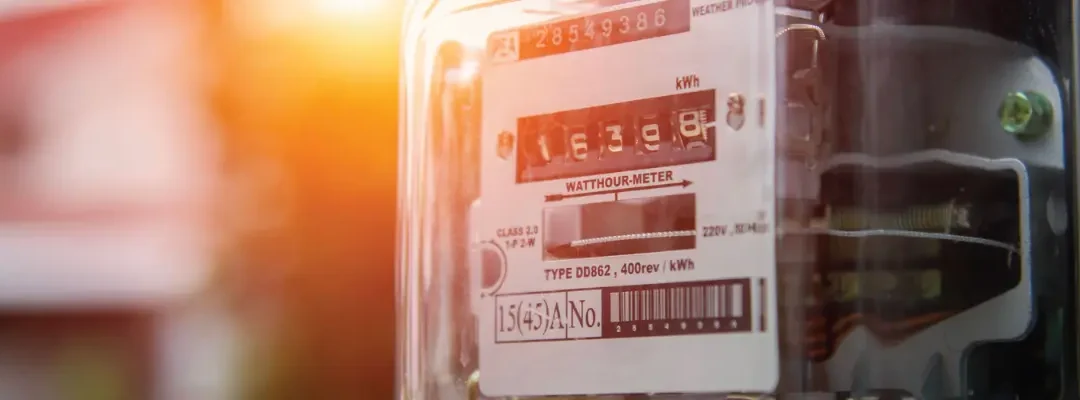
Net metering is a system where the electricity meter records both import and export of power:
When your solar plant produces more power than the society uses, the extra units go to the grid.
When your society needs more power than solar generates (e.g., at night), electricity comes from the grid.
At the end of the billing cycle, the DISCOM adjusts the difference.
This means societies only pay for the net electricity consumed, which greatly reduces monthly bills. By Adopting Solar for Housing Societies with net metering ensures that every unit of green energy is efficiently utilized instead of going to waste.
Step-by-Step Net Metering Process for Housing Societies
Step 1: RWA Approval
The society passes a resolution in the AGM to adopt solar and apply for net metering.
Step 2: Application to DISCOM
Submit the application through the state’s solar/net metering portal.
Solar is one of the best ways for housing societies to reduce monthly electricity bills for lifts, pumps, corridor lighting, and clubhouses. But solar is a long-term investment. If done correctly, it gives free power for 20+ years. If done wrongly, it can lead to poor savings, disputes, or wasted money.
Here are the 10 common mistakes societies make while going solar—and simple tips to avoid them.
1. Skipping a Proper Feasibility Study
Some societies take quick quotes without checking their roof size, sunlight availability, and real power needs. This often leads to installing too small or too big a system.
How to avoid: Always start with a professional site survey and get a detailed report before finalizing.
2. Not Taking RWA / AGM Approval
Solar affects everyone in the society. Without a formal approval in AGM, residents may disagree later.
How to avoid: Pass a clear resolution in the society meeting and record it in the minutes.
3. Ignoring Roof Space & Shadows
Water tanks, lift rooms, or nearby trees may block sunlight. Even small shadows reduce output by 20–30%.
How to avoid: Do a shadow analysis and plan proper panel placement.
4. Choosing Cheap Equipment
Some vendors give low prices by using poor-quality panels or inverters. These fail quickly and reduce savings.
How to avoid: Use certified, branded panels and inverters with proper warranties (25 years for panels, 5–10 years for inverters).
5. Forgetting Net Metering
Without net metering, societies cannot send extra power back to the grid. This reduces savings.
How to avoid: Apply for net metering approval early through DISCOM with the help of an empaneled EPC partner.
6. No Maintenance Plan (AMC)
Dust, bird droppings, or faulty wires reduce generation if not cleaned and checked. Many societies think solar is “install and forget.”
How to avoid: Sign an AMC (Annual Maintenance Contract) with your EPC company for cleaning, monitoring, and repairs.
7. Not Understanding CAPEX vs OPEX
Some societies are confused about funding.
CAPEX = society pays upfront → more savings.
OPEX/RESCO = no upfront cost → pay discounted tariff.
How to avoid: Choose based on your funds and long-term goals.
8. Overlooking Safety & Waterproofing
Improper wiring or poor installation may cause water leakage or safety risks.
How to avoid: Work only with EPC partners who follow safety standards and certifications.
9. No Cost-Sharing Model Among Residents
Disputes happen when members are unclear about who pays and how savings are shared.
How to avoid: Decide early—use sinking fund, special contribution, or equal sharing—and document it.
10. Picking Vendors Only on Price
Choosing the cheapest vendor often leads to poor design, failed subsidies, and system breakdowns.
How to avoid: Select a professional EPC company with references and proven housing society projects.
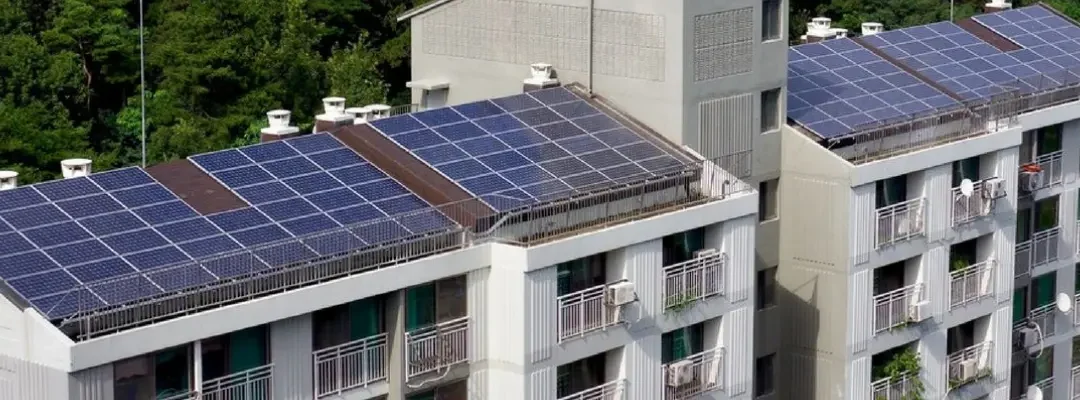
For most housing societies, electricity bills for lifts, water pumps, corridor lighting, and clubhouses are among the biggest recurring expenses. Installing a rooftop solar system can cut these bills by 50–80%, but many societies hesitate because of the high upfront cost.
The good news? The Government of India, along with several state governments, offers solar subsidies for housing societies. These subsidies can reduce the initial investment by 20–40%, making solar more affordable and helping RWAs (Resident Welfare Associations) and Group Housing Societies (GHS) move toward clean, renewable energy.
In this guide, we’ll explain in simple words:
Who is eligible for the subsidy
The step-by-step application process
State-wise benefits
Challenges and how to overcome them
Who Can Get a Solar Subsidy? (Eligibility)
Not every society automatically qualifies. To receive the solar subsidy for housing societies, you must meet certain conditions:
Eligible Groups:
Group Housing Societies (GHS)
Resident Welfare Associations (RWAs)
System Size:
Usually between 10 kW and 500 kW rooftop solar systems.
This means small societies with very low demand may not qualify, while very large commercial-like setups may fall outside residential schemes.
Usage Rule:
Solar must be used for common facilities such as lifts, water pumps, basement fans, corridor lighting, and clubhouses.
It cannot be used for commercial tenants inside the society.
Registration Requirement:
The society must be officially registered and apply through the local DISCOM (power distribution company).
Important Note: Individual flats generally don’t get subsidies under this category. The subsidy applies when the entire society installs a solar plant for common use.
How to Apply for Solar Subsidy (Step-by-Step Process)
The application process can look complicated, but when broken down into steps, it’s manageable. Here’s how it usually works:
Step 1: Society Approval
The society’s RWA or governing body must pass a resolution approving solar adoption.
This ensures that all residents are aware and onboard.
Step 2: Site Survey & Proposal
An EPC partner (like us) will visit the society, check the rooftop area, analyze your electricity bills, and prepare a feasibility report.
This report includes system size, expected savings, and cost.
Step 3: Apply Through DISCOM Portal
Every state has an online portal where societies must register the solar project.
This is where the subsidy application begins.
Step 4: Submit Documents
Society registration certificate
Resolution copy from RWA/AGM
KYC documents (PAN, Aadhaar of authorized signatory)
Technical proposal from EPC company
Step 5: DISCOM Approval
The DISCOM reviews the proposal and issues a Technical Feasibility Approval (TFA).
Step 6: Installation
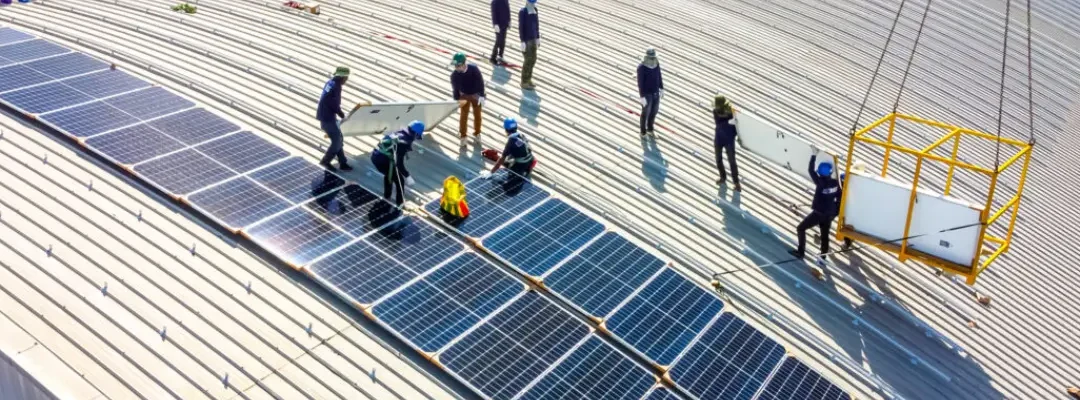
Once approval is received, the EPC company installs the solar plant, including panels, inverters, mounting structures, and wiring.
Step 7: Inspection & Net Metering
After installation, DISCOM officers inspect the system.
A net meter is installed to measure how much electricity you consume and how much you export back to the grid.
Step 8: Subsidy Disbursement
Once the plant is commissioned, the subsidy is transferred directly to the society’s bank account within a few weeks to a few months.
Tip: Working with an experienced EPC company saves a lot of time because they handle the entire paperwork and follow-up process.
State-Wise Subsidy Benefits for Housing Societies
Subsidy amounts vary depending on the state and local DISCOM policies. Here’s a snapshot of common benefits:
State
Subsidy/Benefit for Housing Societies
Notes
Delhi
₹10,000 per kW up to 500 kW
One of the most generous schemes
Maharashtra
20–25% of project cost
Process via MEDA & DISCOM
Karnataka
₹9,000–₹12,000 per kW
BESCOM portal
Tamil Nadu
₹8,000–₹10,000 per kW
State + MNRE support
Gujarat
20–40% subsidy
Strong residential solar program
Other States
Central MNRE rules apply
Check local DISCOM websites
Since subsidy amounts are revised every year, it’s important to check the latest official portal for your state.
Common Challenges (And How to Overcome Them)
While subsidies are helpful, many societies face delays and rejections because of:
Lengthy Approvals – DISCOM approvals can take weeks or months.
Incomplete Documentation – Missing AGM resolutions or society registration papers.
Confusion About Eligibility – Many RWAs don’t know if they qualify.
Unreliable Vendors – Choosing a non-empaneled vendor may result in subsidy rejection.
The easiest way to overcome these is to work with a professional EPC partner who is already registered with DISCOM and experienced in subsidy applications.
Why Subsidy + Solar is the Best Deal for Societies
Let’s take a 100 kW solar project as an example:
Without Subsidy: ₹45 lakhs investment
With Subsidy: ~₹30–35 lakhs investment
Annual Savings: ₹12–15 lakhs
Payback Period: Just 2.5–3 years with subsidy (vs. 4 years without)
This means societies not only save money but also achieve faster ROI and higher annual returns. In fact, solar projects with subsidy often achieve 25–30% ROI per year, much higher than fixed deposits or other safe investments.
As electricity prices rise and ESG compliance tightens, Indian businesses are under pressure to cut costs while going green. From industrial giants to fast-growing tech parks, many are turning to a powerful solution:
Power Purchase Agreements (PPAs) — long-term renewable energy contracts that offer lower tariffs, price stability, and sustainability without upfront capital investment.
Let’s explore why PPAs are becoming a go-to strategy for corporate energy procurement in India.
What Exactly is a Power Purchase Agreement (PPA)?
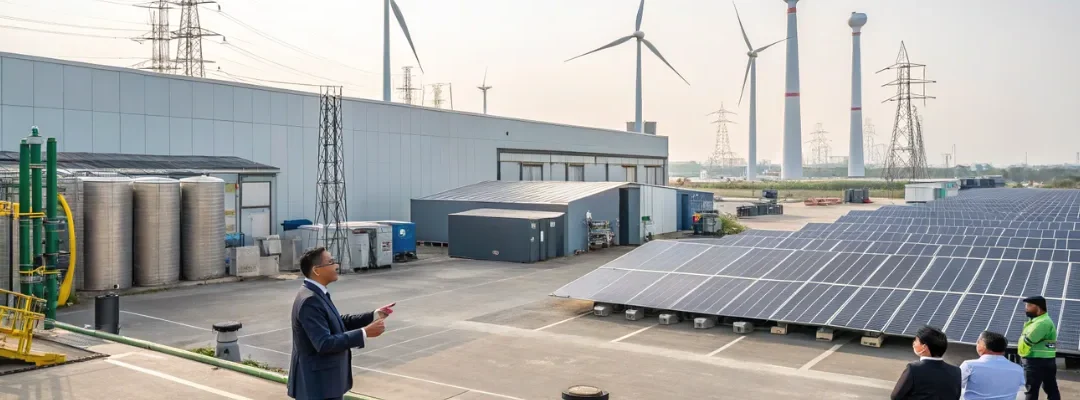
A Power Purchase Agreement (PPA) is a legally binding contract between a business (the energy buyer) and a renewable energy developer (the supplier).
Here’s how it works:
The developer builds and operates a renewable energy plant (solar, wind, or hybrid).
The business buys power at a fixed tariff, often 20–40% cheaper than the grid.
Typical contract length: 10 to 25 years.
No ownership or capital cost for the business.
In essence: Your company locks in cheaper, clean electricity — while someone else handles the system.
Why Businesses Are Rapidly Adopting PPAs
1. Major Cost Reductions
PPA tariffs: ₹4.5–5/unit
Grid tariffs: ₹7–10/unit
Savings: ₹2–4 per unit
Annual impact: ₹10–₹50+ crore, depending on scale
Example: A 25 MW manufacturing facility could save ₹18–25 crore annually under a well-structured PPA.
2. No Upfront Investment
The developer finances the entire project.
You only pay for the electricity you consume.
Avoids heavy capital lock-in — perfect for CFO-led decision making.
3. Locked-In Energy Prices
Hedge against volatile grid prices and fossil fuel price shocks.
Predictable OPEX for the long term.
Ideal for industries with slim margins or global pricing pressure.
4. Meet ESG & Net-Zero Goals
PPAs enable 100% RE procurement (RE100 commitments).
Companies can claim Scope 2 emission reductions.
Enhances sustainability rankings and vendor eligibility.
5. Zero Maintenance Burden
Developer handles operations, cleaning, system performance.
You focus on production, logistics, or IT — not kilowatt-hours.