
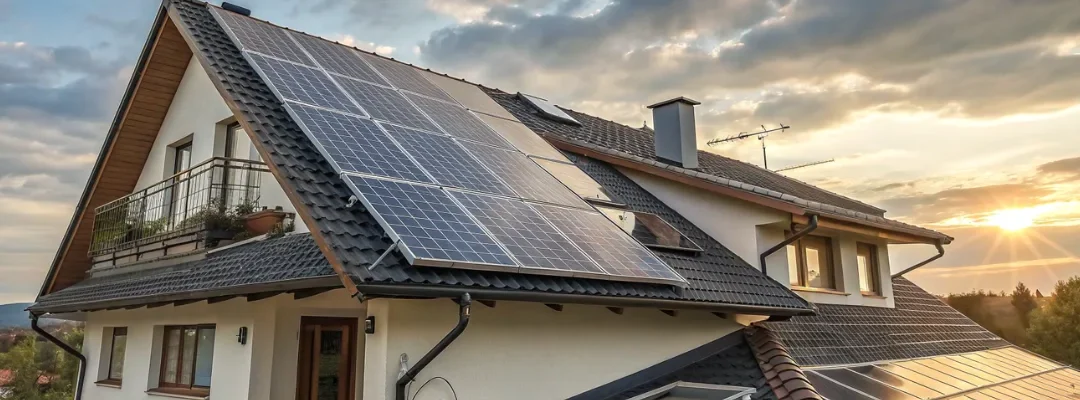
How a 4 kW Rooftop Solar System Can Eliminate Your Electricity Bill
Introduction: Rising Power Costs Make Solar More Attractive
Electricity prices in India have risen steadily, with households in cities paying ₹5,000–₹8,000 per month in electricity bills. This has made rooftop solar energy not just an eco-friendly choice—but a financially smart investment.
Among various options, a 4 kW rooftop solar system has proven ideal for average Indian homes, with the potential to cut electricity bills to zero—thanks to its energy generation capacity and the net metering policy.
How Much Power Does a 4 kW Solar System Generate?
A 4 kW solar system typically generates:
- 16–20 kWh per day
- ~500–600 units per month
- Equivalent to ₹5,000–₹7,000/month in electricity savings
This is enough to cover energy needs like:
- Lights, fans, refrigerators, and washing machines
- 1–3 AC units (moderate usage)
- TVs, Wi-Fi routers, kitchen appliances, laptops, and other devices
Net Metering Benefit
Any excess solar power is sent back to the grid. These exported units are credited against your electricity usage—reducing your bill to ₹0 in many cases.
Financial Breakdown: Real Savings and ROI
Cost of a 4 kW System (2025 Estimate)
- Gross Cost: ₹2,20,000 – ₹2,60,000
- MNRE Subsidy (40% for ≤3kW + 20% for remaining 1kW): ~₹85,000
- Net Cost: ₹1,35,000 – ₹1,75,000
Annual Savings
- ₹60,000–₹85,000/year in bill savings
- Payback Period: 4–6 years
- Free electricity for 15–20 years after payback
“Our 4 kW system paid for itself in 4.5 years. Since then, no bills—just savings,” shares Mr. Rao, homeowner from Hyderabad.
Environmental Impact: Clean Energy for a Cleaner Planet
Each 4 kW rooftop solar system reduces your carbon footprint by:
- 4–5 tons of CO₂/year
- Equivalent to planting over 100 trees annually
- Reduces dependence on fossil fuels and stabilizes the grid
Is a 4 kW Solar System Right for Your Home?
Ideal For:
- Households with monthly bills of ₹5,000–₹8,000
- 2–3 BHK homes with moderate to high appliance usage
- Homes using 2–3 ACs, fridges, geysers, washing machines
Space Needed:
- 350–400 sq. ft. of unshaded rooftop space
- Flat RCC rooftops or metal sheds are suitable
- South-facing orientation preferred for optimal performance
Bonus Features: Hybrid & Backup Options
A 4 kW system can be integrated with:
- Hybrid inverters for solar + grid + battery usage
- Lithium or lead-acid batteries for backup during power cuts
- Smart monitoring apps to track energy generation
Government Support & Net Metering Explained
- MNRE Subsidy: 40% for the first 3kW and 20% for next 2kW (capped at 10kW)
- Net Metering: Any unused solar energy is exported to the grid; you get credits
- Loans: Green loans and EMI options available from SBI, HDFC, and others
Note: Work with MNRE-registered installers to ensure subsidy eligibility.
Expert Insight: Efficiency Depends on Design
“System size alone doesn’t guarantee bill reduction. Correct orientation, inverter quality, and real-time monitoring are crucial,”
says Dr. Meera Patel, Solar Systems Engineer.
Summary: How You Eliminate Your Bill
| Component | Value |
|---|---|
| Daily Generation | 16–20 units |
| Monthly Generation | 480–600 units |
| Monthly Bill Savings | ₹5,000–₹8,000 |
| Payback Period | 4–6 years |
| Lifespan | 25 years+ |
| Annual CO₂ Reduction | 4–5 tons |
| Required Roof Area | 350–400 sq. ft. |
| Recommended for Homes With | 2–3 ACs, appliances, 3–5 members |