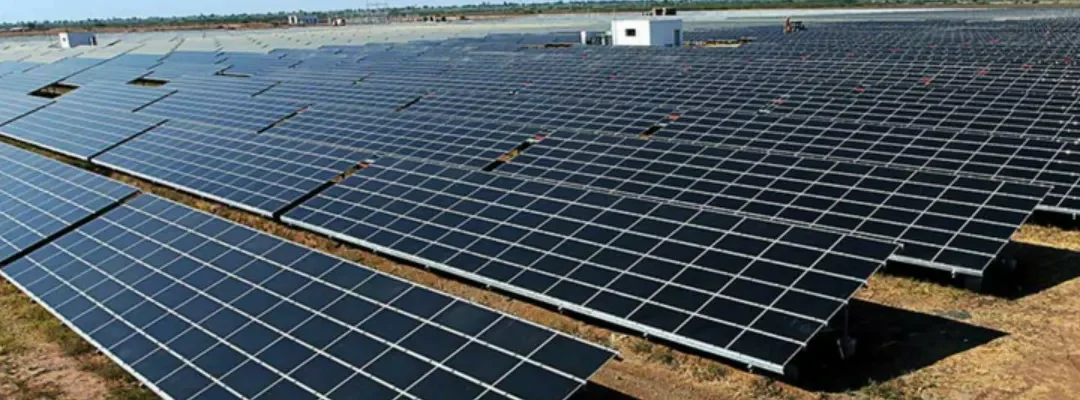
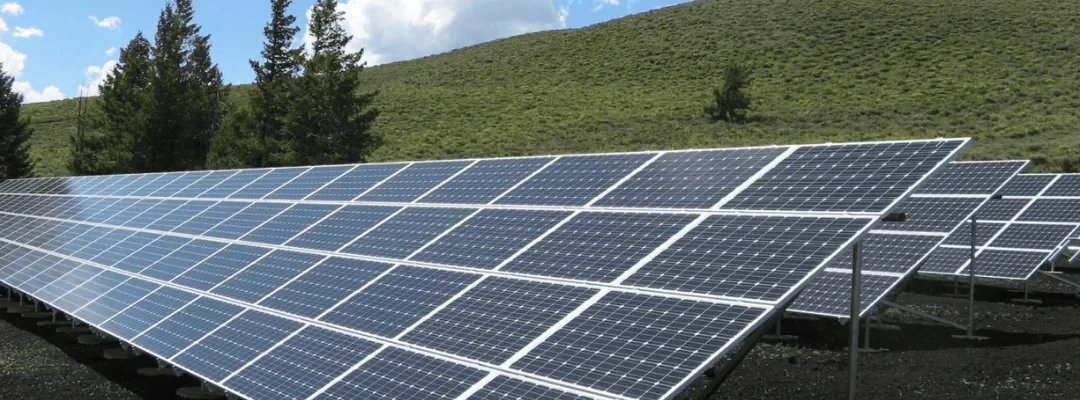
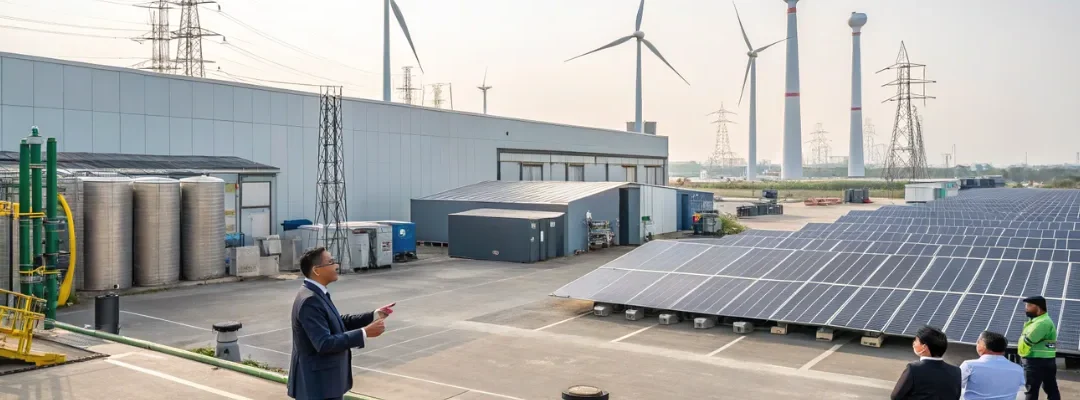
One of the biggest challenges in building a solar park is not panels, inverters, or financing — it’s land.
Solar projects need large, continuous land parcels.
But in India, land is often owned in small, fragmented plots by multiple farmers or families.
Negotiating with each owner, checking titles, and resolving disputes can take years.
This is where land aggregators play a crucial role. They bridge the gap between landowners, developers, and investors, making solar projects faster, smoother, and risk-free.
Who Are Land Aggregators?
Land aggregators are specialized professionals or companies who identify, acquire, and consolidate land for solar projects.
They act as a link between multiple farmers/landowners and solar developers.
Instead of a developer dealing with 50 small owners, the aggregator delivers a ready-to-use, dispute-free land parcel.
Why Land Aggregators Are Essential for Solar Projects
Consolidating Fragmented Land
In many states, agricultural land is divided into small holdings.
Aggregators bring these together into large, solar-suitable plots.
Legal Due Diligence
They check land titles, encumbrances, and legal clearances.
This avoids delays and costly disputes later.
Negotiation with Farmers
Aggregators negotiate fair deals with multiple farmers.
Many offer lease models, ensuring farmers get steady yearly income.
Speeding Up Projects
Developers save months (or years) in land acquisition.
Faster land availability = faster project commissioning.
Reducing Risks for Investors
Investors are assured of clean titles, clear boundaries, and legal compliance.
How Land Aggregators Support Developers and Investors
For Developers:
Save time and effort by avoiding hundreds of land negotiations.
Get land parcels that are already surveyed and compliant.
For Investors:
Lower risk of title disputes or acquisition delays.
Higher confidence in project execution and ROI.
In short: Land aggregators make projects bankable.
Example of Land Aggregation in Action
A 100 MW solar park in Gujarat required 500 acres of land.
The land was owned by over 200 farmers in small plots.
The land aggregator negotiated with each farmer, consolidated the land, and provided a clear, legally verified parcel to the developer.
Farmers earned lease income for 25 years, developers got ready land, and investors saw fast project execution.
Challenges Without Land Aggregators
Years of delay due to title disputes.
High risk of legal cases and government intervention.
Difficulty in achieving large continuous parcels of land.
Loss of investor confidence.
The Future of Land Aggregation in Solar
With India targeting 500 GW renewable energy by 2030, demand for large solar parks will rise sharply.
Land aggregators will play a key role in scaling projects quickly.
Transparent land deals will also benefit farmers, developers, and investors equally.
Electricity is the backbone of modern life—from homes and offices to industries, everything runs on power. But with rising demand, grid electricity is becoming expensive and polluting.
This is why megawatt (MW) solar energy projects are gaining popularity. They not only generate clean and green energy but also provide steady income for investors and entrepreneurs. In this blog, let’s understand what MW solar means, how much it costs, and why it is one of the most profitable investments in renewable energy.
What is Megawatt Solar Project?
1 Megawatt (MW) = 1,000 kilowatts (kW).
A 1 MW solar plant can generate about 1.5 million units of electricity per year.
That’s enough to power:
~400–500 middle-class homes, or
A small factory, or
The common facilities of multiple housing societies.
These projects are built on open land or solar parks, and the power is sold to industries, DISCOMs (state power companies), or directly to corporates.
Why Entrepreneurs Are Investing in MW Solar
Huge Market Demand
India’s target: 500 GW renewable power by 2030.
Industries and corporates are shifting to 100% renewable energy.
Government Support
Subsidies, tax benefits, and special policies encourage large projects.
Long-term Power Purchase Agreements (PPAs) make revenue predictable.
Falling Solar Costs
Solar panel prices have dropped by 80% in the last 10 years.
Cheaper setup cost = higher profitability.
Stable Long-Term Income
PPAs lock electricity selling price for 15–25 years, giving guaranteed revenue.
India is undergoing an energy revolution, with renewable power at the center of its growth story. Among all clean energy options, solar energy parks have emerged as the biggest driver of large-scale transformation. With India targeting 500 GW of renewable energy by 2030, solar parks are set to play a defining role.
For entrepreneurs, developers, and investors, this sector represents not only a chance to support sustainability but also to tap into highly profitable opportunities. Let’s explore why solar energy parks are the future and how entrepreneurs can benefit from them.
What Are Solar Energy Parks?
A solar energy park is a large piece of land where multiple solar power projects are developed, often ranging from megawatt (MW) to gigawatt (GW) scale.
Unlike rooftop solar, which powers homes or societies, solar parks are designed for large-scale generation.
Power generated is fed into the grid, supplying electricity to industries, businesses, or government utilities.
They often involve land aggregation, government support, and long-term power purchase agreements (PPAs).
In simple words: A solar park is like an industrial hub for electricity, but powered by the sun.
Why Solar Energy Parks Are the Future of Power in India
National Renewable Targets – India aims to install 500 GW of renewable power by 2030, with solar taking the lion’s share.
Industrial Demand – Corporates and SMEs are increasingly committing to 100% green energy for sustainability and cost reasons.
Government Push – Schemes like the MNRE Solar Park Scheme and state-level renewable policies are actively encouraging solar park development.
Climate Goals – Solar parks help India meet its Paris Agreement and net-zero commitments.
In short: Solar parks are not just an energy project; they are part of India’s national growth and climate strategy.
The Investment Opportunity for Entrepreneurs
For entrepreneurs, solar parks open doors to multiple business opportunities:
Power Generation Projects
Set up MW-scale plants and sell electricity through PPAs to DISCOMs or corporates.
Earn predictable revenue streams for 20–25 years.
Land Aggregation & Leasing
Buy or consolidate agricultural land and lease it to solar developers.
Profitable for entrepreneurs and beneficial for farmers.
EPC & O&M Services
Engineering, Procurement & Construction (EPC) and long-term maintenance services are in high demand.
ROI Potential
Solar parks typically deliver 20–25% ROI annually.
Safer compared to volatile investments like stocks.
Key Benefits of Investing in Solar Parks
Stable and Recurring Income – PPAs lock in tariffs for 15–25 years.
Government Incentives – Subsidies, viability gap funding (VGF), and tax benefits.
Low Operating Costs – After installation, solar systems require minimal maintenance.
Sustainability Edge – Entrepreneurs can attract ESG-focused investors.
Job Creation – Solar parks create employment in rural areas, building goodwill.
Challenges Entrepreneurs Should Know
Like any sector, solar parks also come with challenges:
Land Acquisition Issues – Title disputes, fragmented ownership, or unclear records.
Tariff Risks – Some DISCOMs delay payments or renegotiate tariffs.
Grid Bottlenecks – Evacuation infrastructure may not always match solar park capacity.
Solution: Work with experienced EPCs, land aggregators, and legal advisors to reduce risks.
Case Studies of Successful Solar Parks
Bhadla Solar Park, Rajasthan
World’s largest solar park with 2,245 MW capacity.
Spans 14,000 acres in the Thar Desert.
Powers millions of homes while providing long-term returns to investors.
Charanka Solar Park, Gujarat
India’s first large-scale solar park (590 MW+).
Attracted entrepreneurs, land aggregators, and global investors.
Set the foundation for India’s solar park policy.
Future Outlook: Why Now Is the Right Time
Declining Costs – Solar panel costs have dropped over 80% in the last decade.
Hybrid Models – Solar + Wind + Storage projects are gaining traction.
Green Hydrogen Push – Solar parks will fuel India’s hydrogen economy.
Policy Support – 500 GW by 2030 = massive opportunities for developers and entrepreneurs.
Waiting means missing out on the early-mover advantage
Conclusion
Solar energy parks are no longer an experimental idea — they are the future of power generation in India. For entrepreneurs, they offer a rare mix of profitability, stability, and sustainability.
As electricity prices rise and ESG compliance tightens, Indian businesses are under pressure to cut costs while going green. From industrial giants to fast-growing tech parks, many are turning to a powerful solution:
Power Purchase Agreements (PPAs) — long-term renewable energy contracts that offer lower tariffs, price stability, and sustainability without upfront capital investment.
Let’s explore why PPAs are becoming a go-to strategy for corporate energy procurement in India.
What Exactly is a Power Purchase Agreement (PPA)?
A Power Purchase Agreement (PPA) is a legally binding contract between a business (the energy buyer) and a renewable energy developer (the supplier).
Here’s how it works:
The developer builds and operates a renewable energy plant (solar, wind, or hybrid).
The business buys power at a fixed tariff, often 20–40% cheaper than the grid.
Typical contract length: 10 to 25 years.
No ownership or capital cost for the business.
In essence: Your company locks in cheaper, clean electricity — while someone else handles the system.
Why Businesses Are Rapidly Adopting PPAs
1. Major Cost Reductions
PPA tariffs: ₹4.5–5/unit
Grid tariffs: ₹7–10/unit
Savings: ₹2–4 per unit
Annual impact: ₹10–₹50+ crore, depending on scale
Example: A 25 MW manufacturing facility could save ₹18–25 crore annually under a well-structured PPA.
2. No Upfront Investment
The developer finances the entire project.
You only pay for the electricity you consume.
Avoids heavy capital lock-in — perfect for CFO-led decision making.
3. Locked-In Energy Prices
Hedge against volatile grid prices and fossil fuel price shocks.
Predictable OPEX for the long term.
Ideal for industries with slim margins or global pricing pressure.
4. Meet ESG & Net-Zero Goals
PPAs enable 100% RE procurement (RE100 commitments).
Companies can claim Scope 2 emission reductions.
Enhances sustainability rankings and vendor eligibility.
5. Zero Maintenance Burden
Developer handles operations, cleaning, system performance.
You focus on production, logistics, or IT — not kilowatt-hours.
India’s Small and Medium Enterprises (SMEs) power the nation’s economy — contributing 30% of GDP and employing over 110 million people.
With grid tariffs climbing steadily, energy bills are eroding profitability. Many SME owners want to go solar, but are held back by capital costs and system maintenance concerns.
But there’s one recurring challenge for most SMEs: high electricity costs.
Here’s the good news: Power Purchase Agreements (PPAs) make solar energy accessible, affordable, and risk-free for SMEs — with no upfront investment required.
What is a Power Purchase Agreement (PPA)?
A PPA is a long-term agreement between an SME (the electricity buyer) and a solar developer (the provider). Under this model:
The developer installs, owns, and maintains the solar system.
The SME pays only for the electricity consumed — typically at a lower rate than grid power.
Contracts run between 10 to 25 years, offering long-term price stability.
In simple terms: You get clean, cheap solar power on your rooftop — without spending a single rupee upfront.
PPA Models Tailored for SMEs
1. On-Site PPAs
Solar panels are installed on the SME’s rooftop or premises.
Power is consumed directly, reducing dependency on the grid.
Ideal for units with adequate roof space and consistent demand.
2. Off-Site / Open Access PPAs
Power is generated at a remote solar plant and delivered via the grid.
Suitable for SMEs with limited roof space or higher electricity needs.
Works best where open access policies are favorable.
3. Group Captive PPAs
Multiple SMEs jointly invest in a shared solar project.
Each participant owns a stake and receives energy in proportion.
Good option for clusters of SMEs (e.g., industrial parks or associations).
How PPAs Deliver Strong Financial Value
1. Zero Upfront Investment
Developer bears 100% of system cost — from design to installation.
SMEs avoid capital expenditure while still switching to clean energy.
2. Lower Power Bills
PPA tariffs are typically ₹4.5–5/unit, compared to ₹7–10/unit from the grid.
Monthly savings of 20–40% directly improve cash flow.
3. Fixed Tariffs = Budgeting Confidence
Enjoy predictable energy pricing for up to 25 years.
Hedge against grid tariff hikes and market volatility.
4. No Maintenance Worries
Developer handles all technical aspects — cleaning, repairs, performance monitoring.
You focus on running your business while enjoying uninterrupted green power.
5. Green Energy = Better Brand & Compliance
Meet ESG targets and attract eco-conscious clients.
Align with export regulations that increasingly mandate clean energy use.
Case Study: Textile Unit in Tirupur, Tamil Nadu
Monthly Power Need: 1.5 lakh units
Grid Tariff: ₹7.8/unit → ₹11.7 lakh/month
PPA Tariff: ₹4.8/unit → ₹7.2 lakh/month
Monthly Savings: ₹4.5 lakh
Annual Savings: ₹54 lakh
15-Year Impact: ₹8+ crore saved — without upfront investment
This real-world example shows how PPAs aren’t just eco-friendly — they’re profit-enhancing.
Addressing SME Concerns
“Will I lose control of my roof?”
No. The rooftop remains yours. The developer only uses the space to install panels.
“What if solar stops working?”
PPAs come with performance guarantees. If the system underperforms, it’s the developer’s responsibility — not yours.
“Is solar reliable enough for my operations?”
Yes. Solar works efficiently across most of India. And you still stay connected to the grid, ensuring backup supply.
What’s Next: The Future of SME PPAs in India
India is making it easier for SMEs to access solar through:
Simplified open access rules at the state level
Faster DISCOM approvals for net metering and energy wheeling
Policy support for group captive models in industrial clusters
Increased investor interest in SME-focused solar portfolios
In the coming years, PPAs may become the default route for industrial solar adoption — especially in export-heavy sectors like textiles, pharma, and food processing.
India’s commitment to generating 500 GW of renewable energy by 2030 hinges not only on technology and infrastructure — but also on financial mechanisms that make solar projects viable at scale.
At the heart of this transformation is the Power Purchase Agreement (PPA) — a long-term electricity sales contract that ensures price certainty, revenue predictability, and reduced investment risk.
Whether you’re a solar developer, a corporate energy buyer, or an infrastructure investor, understanding how PPAs work is essential to unlocking long-term value.
What Is a Power Purchase Agreement?
A Power Purchase Agreement (PPA) is a legally binding contract between a power producer and an electricity buyer — typically signed for 15 to 25 years.
In India, PPAs are commonly structured between:
DISCOMs (State Distribution Companies)
Corporate/Industrial Buyers
Large Institutions or Government Entities
In plain terms, a PPA guarantees that electricity generated will have a buyer — at a pre-agreed tariff — for a fixed duration.
Types of PPAs in the Indian Market
1. Utility-Scale PPAs
Signed between solar developers and state DISCOMs
Project size: 50 MW to 500+ MW
Tariffs discovered via reverse bidding
Popular under SECI and NTPC tenders
2. Corporate or Industrial PPAs
Direct contracts with factories, IT parks, or data centers
Growing due to RE100 commitments and open access regulations
Structured as captive, group captive, or third-party PPAs
3. On-Site (Behind-the-Meter) PPAs
Solar systems installed at consumer premises (roof or ground)
Buyer pays only for consumed power, no upfront investment
Ideal for MSMEs, schools, hospitals, warehouses
5 Financial Benefits of PPAs in India
1. Predictable Revenue for Developers & IPPs
Fixed tariffs ensure stable income over 15–25 years
Makes cash flow more bankable, enabling lower-cost financing
2. Cost Savings for Corporate Buyers
PPA rates are 20–40% cheaper than grid electricity (₹4–5/unit vs ₹7–10/unit)
Leads to significant opex reduction without capex burden
3. Risk Reduction for Both Parties
Shields developers from market volatility
Shields buyers from grid tariff inflation and energy cost shocks
4. Easier Project Financing
Banks prefer PPA-backed projects due to guaranteed cash flows
Boosts investor confidence, especially for large-scale projects