by trueimpactdigital | Aug 8, 2024 | Solar Economics & ROI
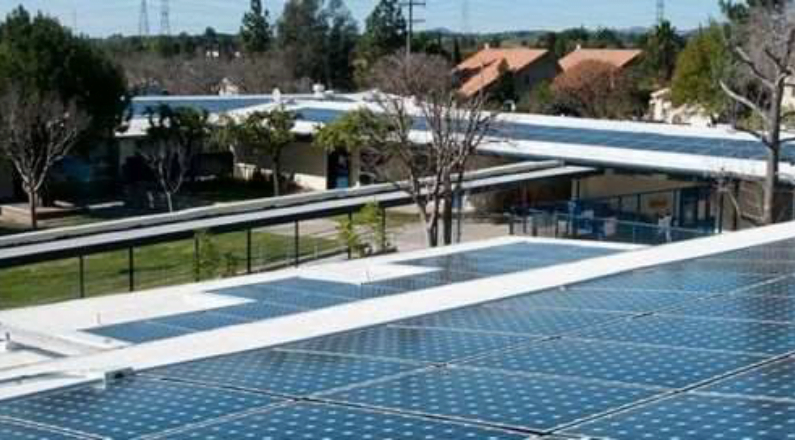
Solar energy is booming in today’s world towards a greener future. Switching to solar energy is an increasingly popular choice for homeowners and businesses looking to reduce their carbon footprint and save on energy costs. However, the initial investment can be significant, making it crucial to find ways to cut costs and maximize savings to achieve a favourable return on investment (ROI). Investing in solar panels is a smart financial decision that offers substantial long-term savings and a strong ROI. By carefully selecting the right solar panels, leveraging incentives, optimizing system performance, and maintaining your setup, you can significantly cut costs and improve your overall savings. Embrace these strategies to harness the full potential of solar energy, reduce your energy expenses, and contribute to a more sustainable future.This guide will explore practical strategies to reduce expenses, take advantage of available incentives, and optimize the performance of your solar panel system, ensuring you get the most out of your investment.
| S.No | TOPICS |
| 1 | Conduct a Thorough Assessment |
| 2 | Choose the Right Solar Panels |
| 3 | Take Advantage of Incentives and Rebates |
| 4 | Select a Reputable Installer |
| 5 | Optimize Panel Placement and Angle |
| 6 | Invest in Energy Storage Solutions |
| 7 | Monitor and Maintain Your System |
| 8 | Educate Yourself on Solar Financing Options |
| 9 | Energy Efficiency Improvements |
Conduct a Thorough Assessment
Before diving into the world of solar energy, conduct a thorough assessment of your energy needs and property suitability. This involves:
- Energy Audit: Analyze your current energy consumption to determine the size of the solar panel system you need.
- Site Evaluation: Assess the location, roof condition, and angle to ensure maximum sunlight exposure.
- Technology: Choose the technology suited to maximize the greener energy based on your requirements.lease reply only for gatepass
Choose the Right Solar Panels
Selecting the right type of solar panels can significantly impact your costs and savings. Consider the following:
- Panel Efficiency: Higher efficiency panels might have a higher upfront cost but can produce more energy, leading to greater savings in the long run.
- Durability and Warranty: Opt for panels with longer warranties and proven durability to reduce replacement and maintenance costs.
Take Advantage of Incentives and Rebates
Governments and local authorities often provide various incentives to encourage solar adoption. These can substantially reduce your initial investment:
- Federal Tax Credits: In many countries, including the US, federal tax credits can cover a significant portion of the installation costs.
- State and Local Rebates: Check for state-specific rebates and local incentives.
- Net Metering Programs: These programs allow you to sell excess electricity back to the grid, further offsetting costs.
Select a Reputable Installer
Choosing a reputable and experienced solar installer can save you money and ensure your system is set up correctly:
- Get Multiple Quotes: Compare quotes from different installers to get the best deal.
- Check Reviews and References: Ensure the installer has a good track record and positive customer feedback.
Optimize Panel Placement and Angle
Proper placement and angle of your solar panels can maximize energy production and savings:
- Southern Exposure: In the Northern Hemisphere, panels should ideally face south to capture the most sunlight.
- Angle Adjustment: The angle of your panels should match your latitude for optimal performance.
Invest in Energy Storage Solutions
Energy storage solutions like batteries can significantly improve your savings by storing excess energy for use during peak hours or at night:
- Battery Systems: While they involve additional costs, batteries can enhance your energy independence and reduce reliance on the grid.
- Time-of-Use Rates: Utilize stored energy during peak hours when electricity rates are higher to maximize savings.
Monitor and Maintain Your System
Regular monitoring and maintenance ensure your system operates at peak efficiency:
- Monitoring Systems: Invest in a good monitoring system to track energy production and identify issues early.
- Regular Cleaning and Inspection: Keep panels clean and inspect them periodically for any damage or wear.
Educate Yourself on Solar Financing Options
Financing your solar panel system wisely can improve your ROI:
- Loans and Leases: Compare the pros and cons of solar loans versus leasing options.
- Power Purchase Agreements (PPAs): These agreements allow you to pay for the energy produced by the panels at a lower rate than your utility.
Energy Efficiency Improvements
Before and after installing solar panels, focus on energy efficiency improvements in your home to reduce overall energy consumption:
- Insulation and Weatherization: Proper insulation and sealing of your home can reduce energy wastage.
- Energy-Efficient Appliances: Upgrade to energy-efficient appliances to lower your energy needs.
by trueimpactdigital | Aug 8, 2024 | Solar Farms & Agriculture
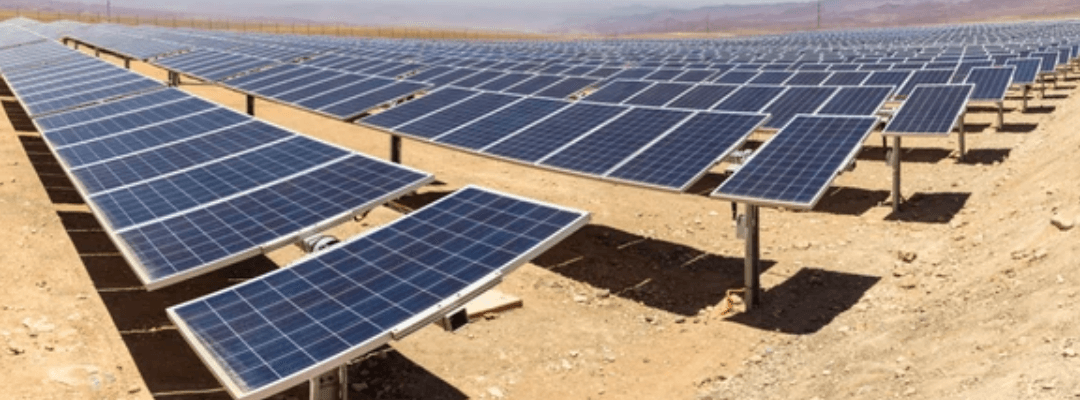
A carbon credits for solar panels is a type of carbon credit generated through the production of renewable energy from a solar farm. Carbon credits represent a reduction of one metric ton of carbon dioxide (CO₂) or an equivalent amount of other greenhouse gases (GHGs). These credits can be traded or sold in carbon markets to offset emissions from other sources. We sellings carbon credits from solar high qualitied.
How Solar Farm Carbon Credits Work
1.Renewable Energy Production:
Solar farms generate electricity from solar energy, a renewable and clean source. This reduces reliance on fossil fuels, which are major sources of GHG emissions.
2.Certification and Verification:
The amount of GHG emissions avoided by using solar energy instead of fossil fuels is calculated and verified by accredited organizations. This verification process ensures the credibility and accuracy of the carbon credits.
3.Issuance of Carbon Credits for solar power:
Once the GHG reductions are verified, solar carbon credit are issued to the solar farm. These credits can then be sold in carbon markets.
5.Trading and Offsetting:
Organizations or individuals can buy these carbon credits to offset their own emissions. For example, a company that emits CO₂ can purchase carbon credits to claim a reduction in their overall carbon footprint.
Benefits of Solar Farm Carbon Credits
1.Environmental Impact:
Encourages the development and expansion of renewable energy projects, reducing overall GHG emissions and mitigating climate change.
2.Economic Incentives:
As the world transitions toward cleaner and more sustainable energy sources, solar farms—especially those integrated with agriculture solar solutions—have emerged as key players in reducing carbon emissions and combating climate change. One significant yet often overlooked benefit for solar farm owners and investors is the ability to earn carbon credits. These credits not only reflect the environmental value of solar energy but also offer an additional revenue stream. In this blog, we’ll explore how carbon credits work, why they matter for solar farms, and the financial and environmental advantages they bring to renewable energy projects, including those supporting agricultural operations.
3.Corporate Responsibility:
Helps companies meet their sustainability goals and regulatory requirements by offsetting their carbon emissions.
4.Market Development:
Promotes the growth of carbon markets, which play a crucial role in driving investments in clean technologies and renewable energy.
5.Public Relations:
Enhances the public image of organizations that purchase carbon credits, showcasing their commitment to environmental sustainability.
In summary, solar farm carbon credits are a powerful tool for promoting renewable energy, reducing GHG emissions, and supporting sustainable economic development.
by trueimpactdigital | Aug 8, 2024 | Solar & Environment
The global transition to renewable energy sources is imperative in the fight against climate change. Among these, solar energy is a promising solution due to its abundance, sustainability, and potential to significantly reduce carbon dioxide (CO2) emissions. This blog will explore how solar energy contributes to CO2 reduction and fosters a greener, more sustainable future. Solar energy is derived from the sun's rays, which can be converted into electricity or heat through various technologies. It is renewable, abundant, and can be harnessed in many forms, including solar photovoltaic (PV) systems and solar thermal energy. While manufacturing solar panels does involve some emissions, the overall lifecycle emissions are significantly lower compared to fossil fuels. Studies indicate that the CO2 emissions associated with solar power are less than 20 gCO2/kWh, based on the energy used in production and installation energy systems can be deployed on rooftops and brownfields, minimizing land use impacts. This strategic placement helps preserve natural habitats and biodiversity while reducing urban heat island effects associated with traditional energy plants. By investing in solar energy, countries can reduce their reliance on imported fossil fuels, enhancing energy security. Localized solar production fosters energy independence, allowing communities to generate clean energy without external dependencies.
| S.No | TOPICS |
| 1 | Introduction |
| 2 | Solar energy benefits the environment |
| 3 | Renewable energy and CO2 emissions |
| 4 | The Lifecycle Emissions of Solar Energy |
| 5 | Solar Energy and Carbon Footprint |
| 6 | Promoting a Greener Future with Solar Energy |
| 7 | Conclusion |
The global shift towards renewable energy sources is critical in addressing climate change and environmental degradation. Among these renewable options, solar energy stands out for its potential to drastically reduce carbon dioxide (CO2) emissions and foster a more sustainable, greener future. By harnessing the power of the sun, solar energy systems provide a clean and efficient alternative to fossil fuels, mitigating the adverse effects of greenhouse gases on our planet. Over time, solar energy can lower electricity bills for homeowners and businesses, as solar systems harness free sunlight, reducing reliance on purchased electricity.
Solar energy benefits the environment
Solar energy is not only a renewable and sustainable source of power but also provides multiple environmental benefits. By transitioning to solar energy, we can significantly reduce our ecological footprint and foster a healthier planet with CO2 emissions reduction.
Reduction in Greenhouse Gas Emissions
One of the most significant environmental benefits of solar energy is its ability to reduce greenhouse gas emissions, particularly carbon dioxide (CO2). Unlike fossil fuels, which release CO2 and other harmful gases when burned, solar energy systems generate electricity without emitting pollutants. This reduction in CO2 emissions is crucial in mitigating climate change and its associated impacts, such as global warming, extreme weather events, and rising sea levels.
Fossil fuel power plants emit various air pollutants, including sulphur dioxide (SO2), nitrogen oxides (NOx), and particulate matter, which can harm human health and the environment. These pollutants contribute to respiratory diseases, cardiovascular problems, and smog formation. Solar energy, on the other hand, produces electricity without releasing these harmful substances, leading to cleaner air and a reduction in pollution-related health issues.
Solar energy benefits the environment
Traditional power generation methods, such as coal, natural gas, and nuclear, require significant amounts of water for cooling and processing. This can strain local water resources, especially in arid regions or during droughts. Solar photovoltaic (PV) systems, however, use minimal water, primarily for cleaning panels. By reducing the demand for water-intensive power generation, solar energy helps conserve precious water resources and protects aquatic ecosystems.
Renewable energy and CO2 emissions
Solar energy systems produce electricity without emitting CO2 or other greenhouse gases.
Direct Emission Reduction: Traditional fossil fuel power plants release a substantial amount of CO2. In contrast, solar PV systems generate electricity without any direct emissions, making them a clean alternative.
Offsetting Fossil Fuel Use: Every kilowatt-hour (kWh) of solar-generated electricity offsets the need for electricity from fossil fuels, thereby reducing CO2 emissions. Over the lifespan of a solar panel, this can amount to a significant reduction in CO2 output.
Reducing Dependence on Non-Renewable Resources: By harnessing solar energy, we decrease our reliance on finite fossil fuels, promoting a shift towards sustainable energy sources and reducing overall CO2 emissions from extraction, transportation, and combustion of these fuels.
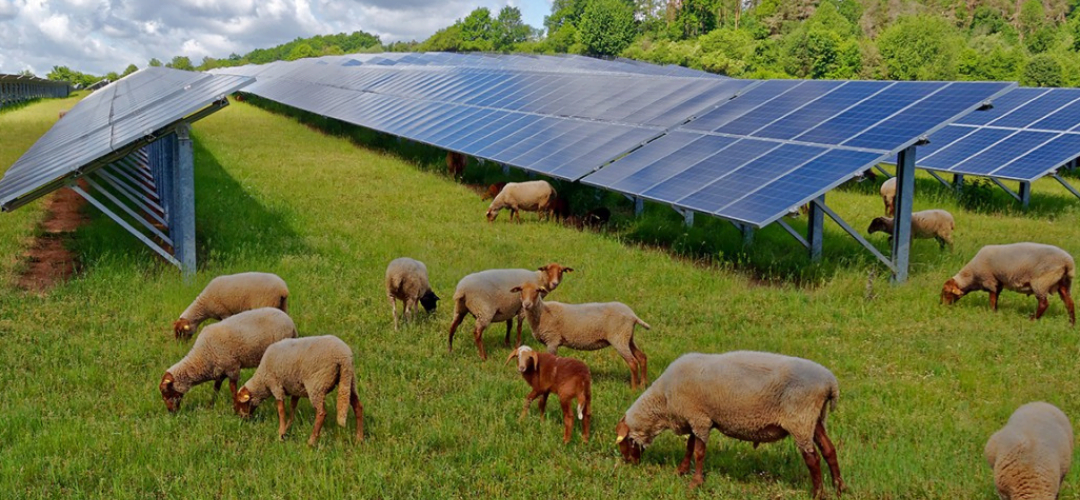
Land Use and Biodiversity: Solar energy projects can be designed to coexist with agricultural activities and preserve natural habitats. By using rooftops, parking lots, and other built environments, solar installations can minimize land use impacts.

The Lifecycle Emissions of Solar Energy
While solar panels have a carbon (CO2) footprint associated with their manufacturing, transportation, and installation, these emissions are minimal compared to the lifecycle emissions of fossil fuelbased energy. Advances in technology and manufacturing processes are continually reducing the carbon footprint of solar panels. Over their operational life (typically 25-30 years), the CO2 emissions avoided far outweigh the initial emissions from production.
Solar Energy and Carbon Footprint
Net Zero Energy Systems: By integrating solar panels with energy storage solutions and efficient energy management systems, households and businesses can achieve net-zero energy consumption. This means the total amount of energy used is equal to the amount of renewable energy generated, resulting in zero net CO2 emissions.
Grid Decarbonization: Large-scale solar farms contribute to the decarbonization of the electrical grid by supplying clean energy. As more solar energy is integrated into the grid, the overall carbon intensity of electricity decreases, leading to widespread CO2 emission reductions.
Promoting a Greener Future with Solar Energy
To maximize the benefits of solar energy, several strategies can be implemented:
Incentives and Policies: Governments can encourage the adoption of solar energy through subsidies, tax credits, and favorable policies. These incentives lower the cost of solar installations and accelerate the transition to renewable energy.
Research and Development: Continued investment in research and development can enhance the efficiency and affordability of solar technologies, making them more accessible to a broader population.
Public Awareness and Education: Educating the public about the benefits of solar panel and how to incorporate it into daily life can drive greater adoption and support for renewable energy initiatives.
Solar energy is a powerful tool in the fight against climate change, and partnering with the right solar panel company in India ensures a seamless transition to clean energy. By reducing CO2 emissions, conserving natural resources, and promoting sustainable development, solar energy plays a crucial role in creating a greener future. As technology advances and adoption increases, the positive impact of solar energy on the environment and society will continue to grow, paving the way for a cleaner, healthier planet. Embracing solar energy is not just an environmental imperative but also an opportunity to innovate and lead the world towards a sustainable future. Let’s harness the power of the sun and shine a light on a brighter, greener tomorrow. By incorporating solar energy into our lives, we can collectively make a significant impact on reducing CO2 emissions and promoting environmental sustainability. Greener energy aims to inspire individuals, businesses, and policymakers to support and invest in solar energy solutions for a better, greener future.

by trueimpactdigital | Aug 8, 2024 | Solar Farms & Agriculture
Solar farm loans can play a significant role in reducing global warming by facilitating the transition to renewable energy sources. Here are several ways in which they contribute:
Increased Solar Energy Adoption
Loans make it financially feasible for more individuals, companies, and municipalities to invest in solar farms. This increases the overall capacity of solar energy production, reducing reliance on fossil fuels.
Reduction in Greenhouse Gas Emissions:
Solar energy generation does not produce greenhouse gases. By replacing fossil fuel-based power plants, which emit significant amounts of CO2 and other pollutants, solar farms help to lower the overall carbon footprint.
Energy Independence:
Agriculture solar solutions helps farmers become energy-independent, reducing their reliance on costly and polluting fossil fuels. Loans for solar farms and agri-solar projects eliminate barriers to entry, making renewable energy available to rural and agricultural communities.
Long-term Cost Savings:
While the initial investment in solar farms can be high, loans make these projects more accessible. Over time, the cost of solar energy decreases as technology improves and economies of scale are achieved, making it a more affordable and sustainable energy source.
Encouragement of Green Technologies:
Providing loans for solar farms encourages the development and adoption of other green technologies. This can create a positive feedback loop, where increased investment leads to further technological advancements and cost reductions.
Job Creation and Economic Growth:
The solar industry creates jobs in manufacturing, installation, and maintenance. Economic growth from this sector can be invested back into sustainable practices and infrastructure, further reducing environmental impact
Reduction of Energy Poverty:
Loans for solar farms can help bring electricity to remote or underdeveloped areas that lack reliable access to power. This can reduce the use of polluting energy sources like diesel generators.
Promotion of Sustainable Practices:
By making solar farms more financially accessible, loans promote sustainable practices and raise awareness about the importance of renewable energy in combating climate change.
Overall, solar farm loans enable broader and quicker adoption of clean energy, playing a crucial part in the global effort to mitigate climate change.
by trueimpactdigital | Aug 7, 2024 | Solar Subsidy & Policy
The market for solar energy has witnessed exponential growth over the past decade, thanks to technological advancements that have improved solar panel efficiency and decreased the overall costs of solar installations. Today, solar power is no longer just a niche market; it has become a mainstream solution for homeowners seeking to reduce their carbon footprint and save on energy bills.
Installing solar panels on hillside homes can be more challenging because of sloped roofs, uneven ground, and limited access. These factors may need extra labor or special equipment, which can make the installation more expensive than on flat roofs.
The structural integrity of the hillside home is paramount. Homeowners may need to invest in reinforcements to support the weight of solar panels or mitigate potential risk factors like erosion. Addressing these concerns can further increase the overall cost of the project.
The type of solar panels selected—monocrystalline, polycrystalline, or thin-film—affects the overall cost. Monocrystalline panels tend to be more efficient and durable, but they also come at a premium. Homeowners should evaluate their energy needs, budget, and long-term goals before making a decision.
Fortunately, many regions offer incentives for homeowners who invest in solar energy. Federal tax credits, state rebates, and local grants can significantly reduce the upfront costs, making solar panels more financially accessible. Homeowners should research available incentives in their area to fully understand their financial obligations and potential savings.
While installing solar solutions for home on hillside properties involves some additional considerations, several unique benefits can make the investment highly worthwhile.
Hillside homes often enjoy sweeping views that can keep them elevated above surrounding structures. This positioning can lead to higher solar energy production since sunlight is less likely to be obstructed by neighboring buildings or vegetation.
Properly designed solar installations can blend seamlessly with the architecture of hillside homes. Innovative mounting systems can conform to challenging angles without overwhelming the property’s design, maintaining its aesthetic appeal.
More homeowners are looking for eco-friendly homes with sustainable energy solutions. The addition of solar panels can potentially increase property value, making hillside homes even more attractive to prospective buyers.
Hillside homes often face challenges with utility access and service reliability. By generating their electricity, homeowners can attain a degree of energy independence, mitigating the risk of power outages and fluctuations in energy costs.
Homeowners with hillside properties should keep the following considerations in mind when planning to install solar panels:
- Site Assessment: Conduct a thorough assessment to determine the best locations for panel installation, taking into account shading, orientation, and available roof space.
- Professional Consultation: Engage with experienced solar installation professionals who have knowledge of hillside installations. They can provide valuable insights and recommendations tailored to specific site conditions.
- Long-Term Maintenance: Consider the maintenance needs of a hillside solar system, such as regular cleaning and inspections, to ensure maximum performance and longevity.
Investing in solar panels for hillside homes can be a worthy endeavor, offering the potential for significant energy savings and contributing to environmental sustainability. While the costs may be higher and installation may present unique challenges, the benefits—such as energy independence, increased property value, and enhanced aesthetic appeal—are compelling. By weighing these factors and seeking expert advice, hillside homeowners can make informed decisions and harness the sun's power to their advantage.