by trueimpactdigital | Sep 18, 2024 | Educational & General Guides
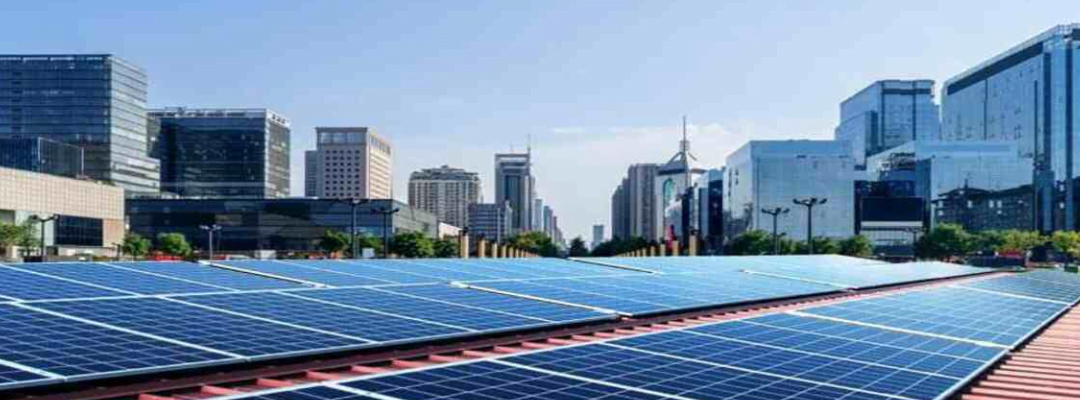
Hiring an experienced solar PV panels installation company comes with several key advantages:
1. Industry-Leading Expertise and Knowledge
An experienced solar installation company brings deep technical knowledge of photovoltaic systems, solar components, and energy management. Their expertise ensures:
- Optimal system sizing and configuration
- High energy output and long-term performance
- Professional advice tailored to your specific energy needs
2. Accurate Solar System Design
Every property is unique. A seasoned installer will:
- Conduct a detailed site and roof analysis
- Recommend the right solar panel type, size, and inverter
- Optimize tilt angles and placement for maximum sunlight exposure
This customized solar solution helps you save more on your electricity bills.
3. Superior Quality Materials & Workmanship
Top solar companies use certified, high-quality solar panels and components that:
- Withstand harsh weather conditions
- Are backed by strong warranties and manufacturer support
4. Full Compliance with Local Regulations
Experienced solar contractors stay updated with:
- Government norms, safety codes, and building regulations
- Local permits and approvals for smooth project execution
- Grid connection protocols for net metering or feed-in tariffs
This saves you time and avoids legal or technical setbacks.
5. Maximum Return on Investment (ROI)
With professional installation, your solar PV system:
- Delivers consistent and reliable energy savings
- Qualifies for tax credits, subsidies, and solar incentives
- Pays for itself faster with optimized efficiency
You get the best value for your solar investment.
6. Comprehensive Warranty and After-Sales Support
Reputable solar companies provide:
- Installation and equipment warranties
- Dedicated customer support for troubleshooting
- Maintenance plans for long-term care
This ensures a worry-free solar experience for years to come.
7. Guaranteed Safety Standards
Installing solar panels involves electrical work and working at heights. An experienced team:
- Follows industry best practices and safety protocols
- Uses appropriate protective gear and equipment
- Minimizes risks of injury, fire, or system malfunction
Your safety and that of your property is never compromised.
8. Faster and Hassle-Free Installation
Professional installers offer:
- Streamlined project timelines
- Minimal disruption to your home or business
- End-to-end management from design to commissioning
This means you enjoy clean energy sooner and stress-free.
9. Ongoing Monitoring and Maintenance Services
Many experienced providers offer:
- Remote performance monitoring systems
- Preventive maintenance to avoid performance drops
- Quick repair services when needed
This keeps your system in peak condition throughout its lifetime.
10. Increased Property Value
A high-quality solar installation:
- Boosts your property's market value
- Makes your home more attractive to eco-conscious buyers
- Adds long-term energy cost savings to the resale appeal
Overall, hiring an experienced solar PV panel installation company ensures a hassle-free, efficient, and reliable transition to solar power.
Choose Synergy Solar Solution for expert solar PV panel installation. Benefit from professional expertise, quality service, and reliable energy solutions tailored to your needs.
by trueimpactdigital | Sep 17, 2024 | Solar Economics & ROI
Solar power systems and daylighting can complement each other to enhance energy efficiency and sustainability in buildings. Here's how:
Harnessing natural light and renewable energy can significantly elevate a building’s energy performance. By integrating solar power systems with daylighting solutions, homeowners and businesses in India can achieve remarkable energy efficiency, sustainability, and cost savings. Here's how this powerful combination works:
1. Enhanced Energy Efficiency with Dual Solutions
Both solar energy and daylighting contribute to reducing overall energy consumption:
- Daylighting systems minimize dependence on artificial lighting during daylight hours by maximizing natural illumination.
- Solar panels convert sunlight into usable electricity to power other essential appliances and systems in the building. This dual approach reduces the need for conventional energy sources, cutting down on utility bills and operational costs.
2. Peak Power Generation and Savings
Solar energy production peaks during the day, the same time daylighting systems are most effective. For businesses using commercial solar solutions, this alignment offers a unique advantage such as:
- Reduces electricity drawn from the grid during peak demand hours
- Supports efficient use of solar-generated power for lighting, cooling, and equipment usage
- Leads to significant cost savings on monthly energy expenses
3. Optimized Building Design for Performance and Aesthetics
Combining daylighting systems such as skylights, solar tubes, or light shelves with rooftop solar panels:
- Enhances architectural value
- Makes optimal use of roof space for energy generation
- Improves indoor environments by promoting natural lighting and ventilation This integrated design approach increases the property’s green building rating and overall resale value.
4. Environmental Impact Reduction
Using daylighting and solar energy together drastically reduces dependence on non-renewable energy sources, resulting in:
- Lower greenhouse gas emissions
- Reduced carbon footprint of the building
- Compliance with green building certifications like LEED, GRIHA, and other sustainability standards
5. Reliable Power Even Beyond Daylight Hours
Modern solar systems with battery storage allow surplus electricity to be stored during sunny hours and used:
- During nighttime
- On cloudy days
- In emergency backup scenarios This ensures a consistent and uninterrupted power supply, even when natural light is unavailable.
This combination results in a highly sustainable energy solution for homes and commercial spaces.
by trueimpactdigital | Sep 14, 2024 | Solar Farms & Agriculture
Shifting away from fossil fuels is key to fighting climate change, and large-scale solar farms are leading the way. Take the Copper Mountain Solar Facility, for example—this massive installation captures solar energy, reducing the need for carbon-heavy power. These solar farms do more than generate clean energy; they also support ecological recovery and boost economic stability. Keep reading to discover how solar power contributes to a greener future and sparks innovation.
The Role of Solar Energy in Reducing Carbon Footprints
The intertwining of solar energy deployment and carbon footprint reduction has garnered significant attention, catalysing a shift towards renewable installations such as solar power stations. Notably, solar stars like NTPC Limited have taken a pioneering leap within Gujarat's landscapes, harnessing the abundant sunshine through innovative ventures like floating solar facilities. By substituting traditional fossil fuels with these solar solutions, a direct and substantial decrease in greenhouse gas emissions is achieved, propelling the electric power sector towards a greener future. This initiative marks a critical advance in the combat against climate change, illustrating the potential and effectiveness of solar arrays in mitigating environmental degradation.
Understanding Carbon Footprints and Their Impacts
A carbon footprint encompasses the total greenhouse gas emissions produced by an individual, organization, event, or product, accounting for both direct and indirect sources. Within the ambit of the Gujarat Hybrid Renewable Energy Park, an ambitious initiative taken under the guidance of the Ministry of New and Renewable Energy, the amalgamation of solar arrays and wind turbines operates synergistically, bolstering the renewable portfolio standard. This convergence of technology and policy by the Renewable Energy Corporation serves as an exemplar in trimming emission levels, steering the national energy mix towards sustainability and blunting the impacts of climate change.
How Solar Power Stations Cut Down Greenhouse Gas Emissions
Solar power stations, such as the photovoltaic power station in Pavagada or the Huanghe Hydropower Golmud Solar Park, stand at the vanguard of diminishing greenhouse gas emissions. By converting sunlight directly into electricity without any intermediate steps or emissions, these facilities avoid the carbon dioxide output associated with conventional energy sources. The outcome is not only a reduction of the carbon footprint but also enhanced revenue streams for regions like the Tengger Desert, due to their increased capacity to generate environmentally sound energy.
Boosting Biodiversity Around Solar Power Installations
Solar power stations extend their influence beyond the provision of renewable energy, creating vital spaces for biodiversity to flourish. Innovative approaches, including the integration of solar tracker systems, have been instrumental in facilitating the coexistence of technology and ecology. In regions hosting solar farms in India, concerted efforts aim at establishing hospitable environments for a myriad of species, thus supporting local flora and fauna. Employing materials such as amorphous silicon, these habitats form part of a technology-driven expansion of green spaces. Notable case studies demonstrate how ecosystem revival is feasible and thriving near solar farms, with these installations acting as unlikely guardians of biodiversity.
Creating Habitats for Local Flora and Fauna
In the quest to couple ecological conservation with renewable energy, the PM KUSUM scheme in India illuminates a path where the harmony of local ecosystems and the generation of electricity can be conscientiously maintained. The initiative actively repurposes agricultural land for solar panel installation, subsequently creating micro-habitats that support a diverse range of flora and fauna, enhancing the bio-network whilst concurrently subsiding the cost of electricity by source. In doing so, these schemes not only enrich the atmosphere with cleaner air but also reinvigorate the soil with life-sustaining properties.
- The PM KUSUM scheme promotes the dual use of agricultural land, juxtaposing solar energy generation with farmland productivity.
- Through the installation of solar panels, new habitats are forged, offering refuge and sustenance to local biodiversity.
- The holistic approach reduces the cost of electricity by source, showcasing a sustainable energy model incentive.
Mirroring Spain's efforts in integrating solar energy into their national grid without compromising ecological integrity, such forward-thinking strategies encapsulate the interconnectivity between human progress and the preservation of natural habitats. These actions set benchmarks, illustrating that the advance towards a sustainable future need not come at the expense of the environment, but rather, it can facilitate its restoration and proliferation.
Case Studies of Ecosystem Revival Near Solar Farms
In California, strides in innovation have led to the revitalization of ecosystems in the vicinity of solar installations. The juxtaposition of solar cells humming with electricity beneath transmission towers and the revitalized habitats surrounding them showcases a synergistic existence between human policy achievements and ecological rebounds. This manifests the dynamic potential of integrating renewable energy infrastructure with environmental stewardship.
The Economic Incentives Driving the Green Transition
With the global thrust towards sustainability, the economics of solar energy showcase an attractive panorama for nations striving to pivot from traditional to renewable sources. Malaysia, with its abundant sunlight, exemplifies the trend by adopting solar systems to decrease reliance on non-renewable energy, aiming for substantial long-term cost savings. Simultaneously, the Tumakuru District has emerged as a microcosm of this transition, with its extensive solar parks converting sunlight into direct current—an energy form that promises a cleaner future with lower operational costs. This shift is further underpinned by government subsidy programmes, designed to offset the initial costs of solar infrastructure, engendering an environment ripe for investment in solar technology. These strategic moves usher in an era where governmental foresight meets economic pragmatism, collectively driving the charge towards a more sustainable energy portfolio.
Analysing Cost Savings From Using Renewable Energy Sources
Scrutinising the economic landscape, energy management emerges as a pivotal factor where solar energy contributes to substantial cost savings, particularly within agricultural domains. Employing solar power for irrigation can significantly reduce overheads for crop cultivation, offering a respite from the intensive energy demands associated with drawing drinking water. Notably, entities like the European Union and the United Arab Emirates are pioneers in advocating for solar energy, recognising its potential to cut costs and foster sustainable economic growth.
- The European Union and the United Arab Emirates champion solar power, acknowledging its economic and environmental dividends.
- Energy management benefits enhance crop productivity while reducing expenses on drinking water supply.
Government Policies and Subsidies Encouraging Solar Energy Use
Acknowledging the urgency to pivot from conventional to renewable energy sources, governments worldwide have implemented policies that incentivize solar power adoption. In Germany, support extends to biofuel development and the integration of photovoltaic systems, underscoring a commitment to diversify its resource portfolio. Meanwhile, solar power plant projects in India benefit from subsidies that hasten their inception and expansion, laying the groundwork for a more resilient and sustainable energy infrastructure.
Innovation in Solar Technology Enhancing Environmental Benefits
Strides in photovoltaic technology have seen significant advancements in solar cell efficiency, crucial for the scaling up of community solar projects. From the arid zones of Australia to the dynamic markets of South America, the push for higher efficiency rates transforms vast swathes of land into productive energy powerhouses, where independent power producers thrive. Concurrently, the solar industry has experienced an upsurge in the development of eco-friendly materials. These materials not only reduce the environmental footprint during production but also augment the albedo effect of installations, reflecting solar radiation and further cooling the earth. This progressive trajectory in solar innovation propels the global transition towards a low-carbon future while supporting the growth of lush green belts alongside energy generation hubs.
Advances in Photovoltaic Cell Efficiency
In the tropics, where cloud cover can significantly influence the efficacy of solar installations, advances in photovoltaic cell efficiency have become increasingly pivotal. NHPC's implementation of cutting-edge simulation technologies optimises solar power by country-specific conditions, ensuring that even in areas with sporadic sunshine, the capture and conversion of solar energy remain highly effective.
Development of Eco-Friendly Materials for Solar Panel Production
Amidst the ongoing evolution of solar energy solutions, Enel Green Power has championed initiatives within Haryana and Mizoram, focusing on producing solar panels with eco-friendly materials. These materials are designed to lessen impact on ecosystems, coupling industrial innovation with environmental consciousness. Such advancements signify a broader commitment to sustainable development in the solar energy sector, reinforcing the symbiosis between technological progress and ecosystem preservation.
Water Conservation Through Solar Power Generation
The exertion of conventional power plants weighs heavily on water resources, a scenario vastly different in the realm of sustainable energy production via solar power stations. Concentrated solar power systems exemplify the reduction in water dependency, utilizing solar irradiance in lieu of vast quantities of water prevalent in traditional electricity generation processes. In the United States, where the efficiency of polycrystalline silicon is critical to lowering the thermal footprint of energy production, water-saving technologies such as dry cooling systems and advanced panel cleaning techniques play a pivotal role. These methodologies align with the ethos of sustainable energy, ensuring a minimal environmental impact while harnessing the sun's power to meet burgeoning energy needs.
Comparison With Water Usage in Traditional Power Plants
The traditional power plant operates as an engine of industry, yet it imposes a significant toll on the earth's water resources due to the intense heat generated during electricity production. In stark contrast, solar farms harness natural light to produce energy, circumventing the need for the cooling water that coal or gas-fired stations rely on so heavily. As companies transition to solar power, they contribute to water conservation, a vital step in creating a more sustainable balance with our planet's delicate ecosystems.
The Role of Dry Cooling and Cleaning Technologies in Water Saving
In Jodhpur District, a transition toward solar power is emerging as a cornerstone for smart city initiatives, capitalising on dry cooling and advanced panel cleaning technologies that drastically trim water usage. By reducing the water footprint of energy production, these regions can combat pollution and use resources more sustainably, setting a precedent for similar projects in Africa and Europe.
Conclusion
Solar power stations play a critical role in climate change mitigation by converting sunlight to electricity, thereby avoiding the greenhouse gas emissions associated with conventional energy sources. They not only reduce carbon footprints but also enhance biodiversity and provide economic opportunities through models like agricultural solar solutions. By coupling renewable energy with farming innovation, solar energy becomes a powerful tool for achieving sustainability in multiple sectors.