by trueimpactdigital | Aug 8, 2024 | General
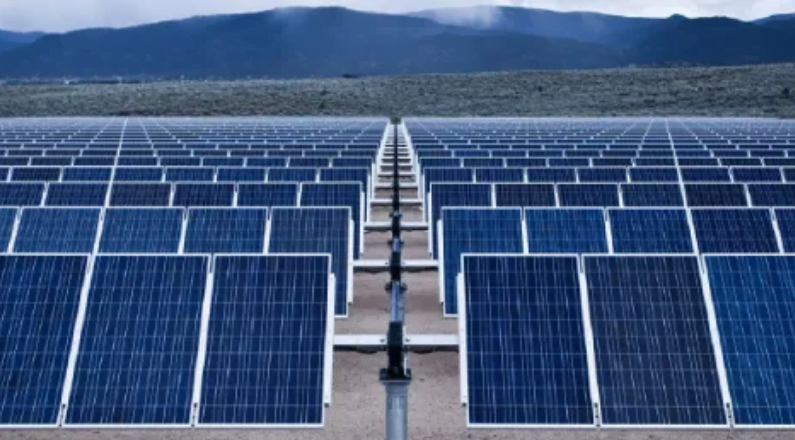
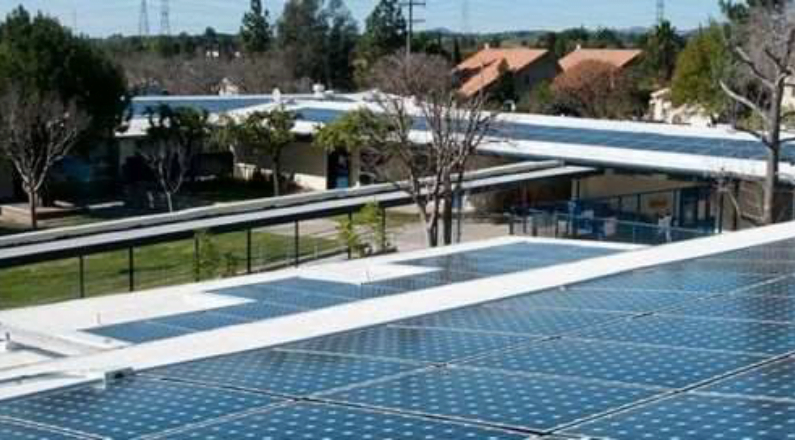
India, a country with a burgeoning population and rapid urbanisation, is poised to become a global leader in renewable energy. Solar power, with its abundant availability and decreasing costs, is at the forefront of this transition. Developing cities in India presents unique challenges and opportunities for the growth of solar energy. India has made significant strides in the solar energy sector over the past decade. The National Solar Mission, launched in 2010, aimed to establish India as a global leader in solar energy. By 2025, India will have achieved an installed solar capacity of over 50 GW, positioning it among the top solar markets globally. Major states such as Rajasthan, Gujarat, and Tamil Nadu are at the forefront of this trend, escalating solar installations and innovation in utilising renewable energy sources. Developing cities such as Jaipur, Surat, and Indore are emerging as key players in this sector. These cities are increasingly integrating solar power into their energy mix, driven by both overnment policies and local initiatives. This blog thoroughly explores theseaspects, providing insights into the current scenario, hurdles to overcome, andpotential growth areas for solar power in these urban centres.
| S.No | TOPICS |
| 1 | Introduction |
| 2 | Challenges in Developing Cities |
| 3 | Opportunities for Growth |
| 4 | Conclusion |
India is undergoing a rapid transformation with its cities expanding and urban populations growing at an unprecedented rate. As these developing cities strive to meet the increasing energy demands, there is a pressing need to explore sustainable and renewable energy sources. Solar power stands out as a promising solution due to India's abundant sunshine and the decreasing costs of solar technology. However, the integration of solar panels in these burgeoning urban areas presents both challenges and opportunities. This blog delves into the current scenario of solar power in India's developing cities, examining the hurdles that need to be overcome and the potential avenues for growth and innovation.
Challenges in Developing Cities
High Initial Costs:
Despite the reduction in solar panel prices, the initial installation cost remains a barrier, particularly in developing cities where disposable income is lower. Financing options are often limited, making it difficult for individuals and small businesses to invest in solar energy.
Lack of Awareness and Expertise:
A significant challenge is the lack of awareness and technical expertise about solar energy. Many potential users are unaware of the long-term benefits and savings associated with solar power. Additionally, there is a shortage of skilled professionals to install and maintain solar systems.
Grid Connectivity Issues:
Developing cities often face challenges related to grid connectivity. The integration of solar power into the existing grid can be complex, requiring significant upgrades and investments. Issues such as power fluctuations and grid stability need to be addressed.
Land Availability and Urban Density:
High population density and limited land availability in urban areas pose a challenge for large-scale solar installations. Rooftop solar systems are a viable alternative, but they require structural assessments and approvals, adding to the complexity.
Regulatory and Policy Barriers:
Inconsistent policies and regulatory frameworks across states create confusion and hinder the growth of solar energy. Streamlining policies and providing clear guidelines can facilitate smoother adoption of solar power.
Government Initiatives and Subsidies:
The Indian government has introduced several initiatives and subsidies to promote solar energy. Schemes like the Pradhan Mantri Kisan Urja Suraksha evam Utthaan Mahabhiyan (PMKUSUM) and the rooftop solar subsidy program provide financial incentives and support for solar installations. Many solar panel installation companies help clients access these incentives, making solar more affordable and appealing.
Innovative Financing Models:
Innovative financing models such as solar leasing, power purchase agreements (PPAs), and crowdfunding can make solar power more accessible. These models reduce the burden of upfront costs and provide flexible payment options.
Technological Advancements:
Advances in solar technology, such as high-efficiency panels, solar tracking systems, and energy storage solutions, can enhance the viability and efficiency of solar installations. Smart grids and IoT integration can further optimize energy management.
Rooftop Solar Potential:
Rooftop solar systems offer a significant opportunity for urban areas with limited land availability. Promoting residential and commercial rooftop installations can substantially increase solar capacity. Policies that incentivize net metering and feed-in tariffs can encourage more rooftop solar projects.
Corporate and Industrial Adoption:
Corporates and industries in developing cities are increasingly adopting solar power to reduce operational costs and enhance sustainability. This sector presents a huge opportunity for largescale solar installations and captive power plants.
Public-Private Partnerships:
Collaboration between the government and private sector can accelerate the growth of solar energy. Public-private partnerships (PPPs) can drive investments, provide technical expertise, and ensure efficient project implementation.
The journey towards widespread adoption of solar panels in India's developing cities is marked by both significant challenges and immense opportunities. While high initial costs, lack of awareness, and regulatory hurdles pose obstacles, the potential benefits of solar energy are too substantial to ignore. Government initiatives, innovative financing models, and technological advancements are paving the way for a solar revolution in urban India. By addressing these challenges head-on and capitalizing on the opportunities, developing cities can harness the power of the sun to meet their energy needs sustainably. This transition not only promises a greener future but also fosters economic growth and energy independence, positioning India as a global leader in renewable energy.
by trueimpactdigital | Aug 8, 2024 | Solar Maintenance & Efficiency
Solar panels are a cornerstone of sustainable energy solutions, transforming sunlight into electricity and reducing our reliance on fossil fuels. Investing in solar panels is not just an environmental decision but also a financial one, aimed at long-term savings and energy independence. However, to fully reap the benefits of this investment, it’s essential to focus on maximizing the efficiency and longevity of your solar panels. Proper care and maintenance, coupled with strategic planning and installation, can significantly enhance the performance and lifespan of your solar energy system. In this comprehensive guide, we will explore various strategies and best practices to ensure your solar panels operate at their peak efficiency for many years to come.
| S.No | TOPICS |
| 1 | Introduction |
| 2 | Types of Solar Panels |
| 3 | Maximize Solar Panel Efficiency |
| 4 | Strategies for Longevity of Solar Panels |
| 5 | Extend solar panel lifespan & Optimizing solar energy |
| 6 | Conclusion |
Solar panels are a significant investment for harnessing renewable energy. Ensuring they operate at peak efficiency and have a long lifespan can maximize your return on this investment.As the adopon of solar energy connues to grow, maximizing the efficiency and longevity of solar panels becomes paramount for homeowners and businesses alike. Solar panel efficiency refers to the percentage of sunlight that can be converted into usable electricity. Various factors can influence this efficiency, including panel type, angle, and environmental conditions. This blog will provide comprehensive insights into effective strategies for enhancing the performance and lifespan of solar panels.
Choosing the right type of solar panel depends on various factors, including your budget, available installation space, aesthetic preferences, and energy need, you can select the solar panel type that best suits your specific requirements and maximizes your investment in renewable energy and solar energy optimization. Solar panels fall under multiple categories let’s take a look into the following types.
- Monocrystalline solar panels are made from single-crystal silicon.
- Monocrystalline panels offer high efficiency and longevity but at a higher cost efficiency typically ranging from 15% to 22% efficiency.
- More power output per square foot compared to other types.
- Long lifespan, often with warranties up to 25 years.
- Polycrystalline solar panels are made from silicon crystals melted together.
- They are slightly less efficient than monocrystalline panels but are also more affordable.
- Good efficiency rates (13-16%) at a lower cost.
- Require more space to produce the same amount of power as monocrystalline panels.
- Thin-film solar panels are made by depositing one or more layers of photovoltaic material onto a substrate. They are versatile and lightweight.
- Less efficient than crystalline panels, with efficiencies around 10% to 12%.
- Perform better in high-temperature conditions than crystalline panels.
- Can be made flexible, which is useful for non-traditional installations.
- Bifacial solar panels can capture sunlight on both the front and back sides, increasing their overall energy production.
- Higher overall energy production compared to traditional panels.
- Requires specific installation conditions to maximize rear-side sunlight capture.
Building-Integrated Photovoltaics (BIPV)
- Building-Integrated Photovoltaics (BIPV) are designed to integrate seamlessly with building materials, such as roof shingles or façade elements.
- Dual-purpose as building material and energy generator.
- Can be less efficient than traditional panels due to design constraints.
Maximize Solar Panel Efficiency
Optimal Placement and Orientation
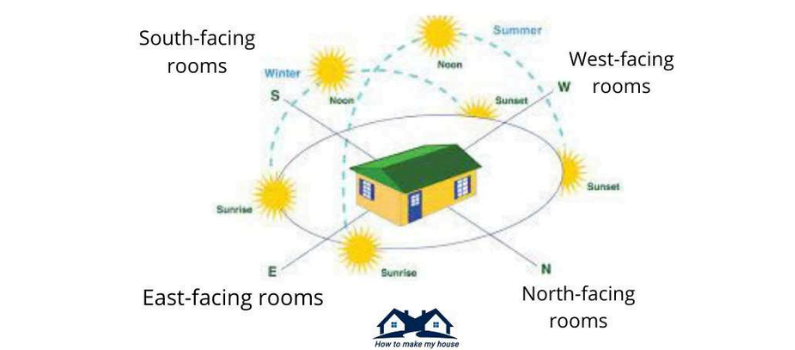
The placement of solar panels significantly affects their efficiency. Panels should be installed in a location with maximum sunlight exposure, typically a south-facing roof in the northern hemisphere.
- Angle: Install panels at an angle that captures the most sunlight, generally around 30 to 45 degrees depending on your geographical location.
- Orientation: Ideally, orient panels towards the equator (south in the Northern Hemisphere, north in the Southern Hemisphere) to maximize sun exposure throughout the day.
- Secure mounting: Proper mounting prevents damage from wind and other environmental factors.
Routine maintenance is vital for sustaining solar panel performance.
Cleaning: Keep panels free from dirt, dust, and debris, which can obstruct sunlight. Cleaning should be performed every 3 to 6 months, or according to local weather conditions.
Inspection: Conduct regular inspections to identify any potential issues such as shading from trees or buildings, or damage to wiring and connections.
Method: Use a soft brush and water to clean the panels. Avoid harsh chemicals and abrasive materials that can scratch the surface.
Safety: If the panels are on a roof, consider hiring a professional cleaning service to avoid the risk of injury.
Continuous monitoring of solar panel performance allows for immediate detection of inefficiencies.
Use Monitoring Systems: Implement solar monitoring systems that provide real-time data on energy production, allowing for prompt identification of performance drop-off.
Track Energy Output: Regularly check energy output against expected values to gauge efficiency and take corrective actions as necessary.
Inspections: Schedule annual inspections by a professional to check for any signs of wear, damage, or potential issues.
Strategies for Longevity of Solar Panels
Investing in high-quality solar panels can significantly enhance durability and longevity. Look for:
Warranties: Most reputable solar manufacturers offer warranties ranging from 25 years for performance to 10 years for product defects.
Certifications: Ensure panels meet international standards (e.g., IEC certification), indicating rigorous testing and reliability.
Professional installation is crucial to maximize both efficiency and lifespan.
Qualified Installers: Hire certified and experienced solar installers who can ensure panels are correctly aligned, secured, and connected.
Avoid Overloading: Ensure the solar system is appropriately sized to avoid overloading, which can lead to burnout and damage.
Protect from Environmental Factors
Environmental conditions can impact the longevity of solar panels.
Shading: Minimize shading from nearby trees, buildings, and structures, as even partial shading can severely reduce performance.
Extreme Weather: Take precautions against hail, snow, and high winds. Installing panels on sturdy mounts can help protect them from severe weather impacts.
Weatherproofing: Ensure that the panels and their mounting systems are weatherproof and can withstand local climate conditions.
Extend solar panel lifespan & Optimizing solar energy
Maximizing the efficiency of solar panels also involves optimizing your energy usage:
Energy-efficient appliances: Use energy-efficient appliances and LED lighting to reduce overall energy consumption.
Peak usage: Try to use more electricity during peak sunlight hours when your panels are generating the most power.
Battery storage: Consider adding a battery storage system to store excess energy generated during the day for use at night or during cloudy periods.
Maximizing the efficiency and longevity of solar panels requires a combination of optimal placement, regular maintenance, performance monitoring, and quality installation. By following these best practices, users can ensure their solar panels generate clean, renewable energy effectively and sustainably for decades to come. Protecting your investment through these practices not only leads to greater energy savings and reduced costs over time but also contributes to a greener, more sustainable future.The transition to solar energy is a wise investment not only for financial savings but also for contributing to a greener planet. Commit to these strategies and unlock the full potential of your solar energy system.
by trueimpactdigital | Aug 8, 2024 | Solar Economics & ROI
Solar energy is booming in today’s world towards a greener future. Switching to solar energy is an increasingly popular choice for homeowners and businesses looking to reduce their carbon footprint and save on energy costs. However, the initial investment can be significant, making it crucial to find ways to cut costs and maximize savings to achieve a favourable return on investment (ROI). Investing in solar panels is a smart financial decision that offers substantial long-term savings and a strong ROI. By carefully selecting the right solar panels, leveraging incentives, optimizing system performance, and maintaining your setup, you can significantly cut costs and improve your overall savings. Embrace these strategies to harness the full potential of solar energy, reduce your energy expenses, and contribute to a more sustainable future.This guide will explore practical strategies to reduce expenses, take advantage of available incentives, and optimize the performance of your solar panel system, ensuring you get the most out of your investment.
| S.No | TOPICS |
| 1 | Conduct a Thorough Assessment |
| 2 | Choose the Right Solar Panels |
| 3 | Take Advantage of Incentives and Rebates |
| 4 | Select a Reputable Installer |
| 5 | Optimize Panel Placement and Angle |
| 6 | Invest in Energy Storage Solutions |
| 7 | Monitor and Maintain Your System |
| 8 | Educate Yourself on Solar Financing Options |
| 9 | Energy Efficiency Improvements |
Conduct a Thorough Assessment
Before diving into the world of solar energy, conduct a thorough assessment of your energy needs and property suitability. This involves:
- Energy Audit: Analyze your current energy consumption to determine the size of the solar panel system you need.
- Site Evaluation: Assess the location, roof condition, and angle to ensure maximum sunlight exposure.
- Technology: Choose the technology suited to maximize the greener energy based on your requirements.lease reply only for gatepass
Choose the Right Solar Panels
Selecting the right type of solar panels can significantly impact your costs and savings. Consider the following:
- Panel Efficiency: Higher efficiency panels might have a higher upfront cost but can produce more energy, leading to greater savings in the long run.
- Durability and Warranty: Opt for panels with longer warranties and proven durability to reduce replacement and maintenance costs.
Take Advantage of Incentives and Rebates
Governments and local authorities often provide various incentives to encourage solar adoption. These can substantially reduce your initial investment:
- Federal Tax Credits: In many countries, including the US, federal tax credits can cover a significant portion of the installation costs.
- State and Local Rebates: Check for state-specific rebates and local incentives.
- Net Metering Programs: These programs allow you to sell excess electricity back to the grid, further offsetting costs.
Select a Reputable Installer
Choosing a reputable and experienced solar installer can save you money and ensure your system is set up correctly:
- Get Multiple Quotes: Compare quotes from different installers to get the best deal.
- Check Reviews and References: Ensure the installer has a good track record and positive customer feedback.
Optimize Panel Placement and Angle
Proper placement and angle of your solar panels can maximize energy production and savings:
- Southern Exposure: In the Northern Hemisphere, panels should ideally face south to capture the most sunlight.
- Angle Adjustment: The angle of your panels should match your latitude for optimal performance.
Invest in Energy Storage Solutions
Energy storage solutions like batteries can significantly improve your savings by storing excess energy for use during peak hours or at night:
- Battery Systems: While they involve additional costs, batteries can enhance your energy independence and reduce reliance on the grid.
- Time-of-Use Rates: Utilize stored energy during peak hours when electricity rates are higher to maximize savings.
Monitor and Maintain Your System
Regular monitoring and maintenance ensure your system operates at peak efficiency:
- Monitoring Systems: Invest in a good monitoring system to track energy production and identify issues early.
- Regular Cleaning and Inspection: Keep panels clean and inspect them periodically for any damage or wear.
Educate Yourself on Solar Financing Options
Financing your solar panel system wisely can improve your ROI:
- Loans and Leases: Compare the pros and cons of solar loans versus leasing options.
- Power Purchase Agreements (PPAs): These agreements allow you to pay for the energy produced by the panels at a lower rate than your utility.
Energy Efficiency Improvements
Before and after installing solar panels, focus on energy efficiency improvements in your home to reduce overall energy consumption:
- Insulation and Weatherization: Proper insulation and sealing of your home can reduce energy wastage.
- Energy-Efficient Appliances: Upgrade to energy-efficient appliances to lower your energy needs.
by trueimpactdigital | Aug 8, 2024 | Solar Farms & Agriculture
A carbon credits for solar panels is a type of carbon credit generated through the production of renewable energy from a solar farm. Carbon credits represent a reduction of one metric ton of carbon dioxide (CO₂) or an equivalent amount of other greenhouse gases (GHGs). These credits can be traded or sold in carbon markets to offset emissions from other sources. We sellings carbon credits from solar high qualitied.
How Solar Farm Carbon Credits Work
1.Renewable Energy Production:
Solar farms generate electricity from solar energy, a renewable and clean source. This reduces reliance on fossil fuels, which are major sources of GHG emissions.
2.Certification and Verification:
The amount of GHG emissions avoided by using solar energy instead of fossil fuels is calculated and verified by accredited organizations. This verification process ensures the credibility and accuracy of the carbon credits.
3.Issuance of Carbon Credits for solar power:
Once the GHG reductions are verified, solar carbon credit are issued to the solar farm. These credits can then be sold in carbon markets.
5.Trading and Offsetting:
Organizations or individuals can buy these carbon credits to offset their own emissions. For example, a company that emits CO₂ can purchase carbon credits to claim a reduction in their overall carbon footprint.
Benefits of Solar Farm Carbon Credits
1.Environmental Impact:
Encourages the development and expansion of renewable energy projects, reducing overall GHG emissions and mitigating climate change.
2.Economic Incentives:
As the world transitions toward cleaner and more sustainable energy sources, solar farms—especially those integrated with agriculture solar solutions—have emerged as key players in reducing carbon emissions and combating climate change. One significant yet often overlooked benefit for solar farm owners and investors is the ability to earn carbon credits. These credits not only reflect the environmental value of solar energy but also offer an additional revenue stream. In this blog, we’ll explore how carbon credits work, why they matter for solar farms, and the financial and environmental advantages they bring to renewable energy projects, including those supporting agricultural operations.
3.Corporate Responsibility:
Helps companies meet their sustainability goals and regulatory requirements by offsetting their carbon emissions.
4.Market Development:
Promotes the growth of carbon markets, which play a crucial role in driving investments in clean technologies and renewable energy.
5.Public Relations:
Enhances the public image of organizations that purchase carbon credits, showcasing their commitment to environmental sustainability.
In summary, solar farm carbon credits are a powerful tool for promoting renewable energy, reducing GHG emissions, and supporting sustainable economic development.
by trueimpactdigital | Aug 8, 2024 | Solar & Environment
The global transition to renewable energy sources is imperative in the fight against climate change. Among these, solar energy is a promising solution due to its abundance, sustainability, and potential to significantly reduce carbon dioxide (CO2) emissions. This blog will explore how solar energy contributes to CO2 reduction and fosters a greener, more sustainable future. Solar energy is derived from the sun's rays, which can be converted into electricity or heat through various technologies. It is renewable, abundant, and can be harnessed in many forms, including solar photovoltaic (PV) systems and solar thermal energy. While manufacturing solar panels does involve some emissions, the overall lifecycle emissions are significantly lower compared to fossil fuels. Studies indicate that the CO2 emissions associated with solar power are less than 20 gCO2/kWh, based on the energy used in production and installation energy systems can be deployed on rooftops and brownfields, minimizing land use impacts. This strategic placement helps preserve natural habitats and biodiversity while reducing urban heat island effects associated with traditional energy plants. By investing in solar energy, countries can reduce their reliance on imported fossil fuels, enhancing energy security. Localized solar production fosters energy independence, allowing communities to generate clean energy without external dependencies.
| S.No | TOPICS |
| 1 | Introduction |
| 2 | Solar energy benefits the environment |
| 3 | Renewable energy and CO2 emissions |
| 4 | The Lifecycle Emissions of Solar Energy |
| 5 | Solar Energy and Carbon Footprint |
| 6 | Promoting a Greener Future with Solar Energy |
| 7 | Conclusion |
The global shift towards renewable energy sources is critical in addressing climate change and environmental degradation. Among these renewable options, solar energy stands out for its potential to drastically reduce carbon dioxide (CO2) emissions and foster a more sustainable, greener future. By harnessing the power of the sun, solar energy systems provide a clean and efficient alternative to fossil fuels, mitigating the adverse effects of greenhouse gases on our planet. Over time, solar energy can lower electricity bills for homeowners and businesses, as solar systems harness free sunlight, reducing reliance on purchased electricity.
Solar energy benefits the environment
Solar energy is not only a renewable and sustainable source of power but also provides multiple environmental benefits. By transitioning to solar energy, we can significantly reduce our ecological footprint and foster a healthier planet with CO2 emissions reduction.
Reduction in Greenhouse Gas Emissions
One of the most significant environmental benefits of solar energy is its ability to reduce greenhouse gas emissions, particularly carbon dioxide (CO2). Unlike fossil fuels, which release CO2 and other harmful gases when burned, solar energy systems generate electricity without emitting pollutants. This reduction in CO2 emissions is crucial in mitigating climate change and its associated impacts, such as global warming, extreme weather events, and rising sea levels.
Fossil fuel power plants emit various air pollutants, including sulphur dioxide (SO2), nitrogen oxides (NOx), and particulate matter, which can harm human health and the environment. These pollutants contribute to respiratory diseases, cardiovascular problems, and smog formation. Solar energy, on the other hand, produces electricity without releasing these harmful substances, leading to cleaner air and a reduction in pollution-related health issues.
Solar energy benefits the environment
Traditional power generation methods, such as coal, natural gas, and nuclear, require significant amounts of water for cooling and processing. This can strain local water resources, especially in arid regions or during droughts. Solar photovoltaic (PV) systems, however, use minimal water, primarily for cleaning panels. By reducing the demand for water-intensive power generation, solar energy helps conserve precious water resources and protects aquatic ecosystems.
Renewable energy and CO2 emissions
Solar energy systems produce electricity without emitting CO2 or other greenhouse gases.
Direct Emission Reduction: Traditional fossil fuel power plants release a substantial amount of CO2. In contrast, solar PV systems generate electricity without any direct emissions, making them a clean alternative.
Offsetting Fossil Fuel Use: Every kilowatt-hour (kWh) of solar-generated electricity offsets the need for electricity from fossil fuels, thereby reducing CO2 emissions. Over the lifespan of a solar panel, this can amount to a significant reduction in CO2 output.
Reducing Dependence on Non-Renewable Resources: By harnessing solar energy, we decrease our reliance on finite fossil fuels, promoting a shift towards sustainable energy sources and reducing overall CO2 emissions from extraction, transportation, and combustion of these fuels.
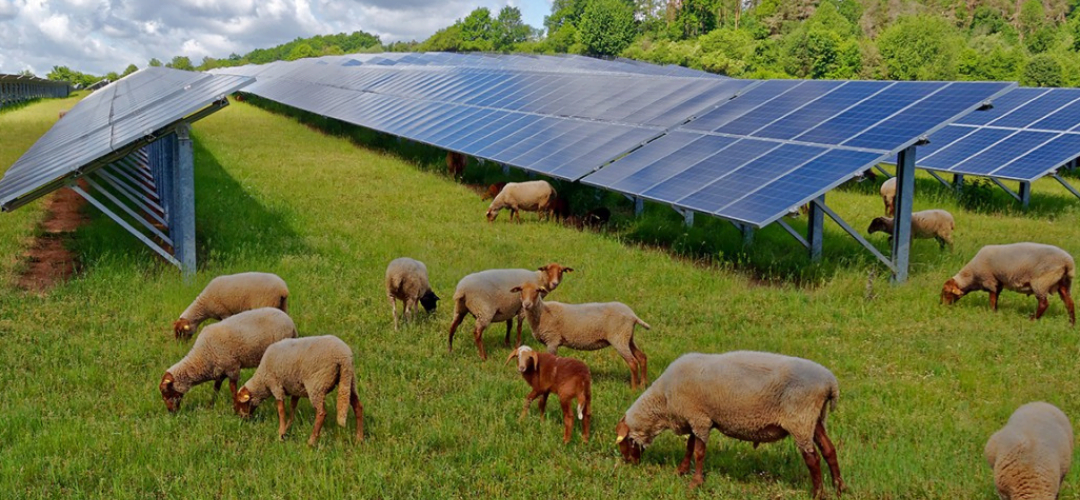
Land Use and Biodiversity: Solar energy projects can be designed to coexist with agricultural activities and preserve natural habitats. By using rooftops, parking lots, and other built environments, solar installations can minimize land use impacts.

The Lifecycle Emissions of Solar Energy
While solar panels have a carbon (CO2) footprint associated with their manufacturing, transportation, and installation, these emissions are minimal compared to the lifecycle emissions of fossil fuelbased energy. Advances in technology and manufacturing processes are continually reducing the carbon footprint of solar panels. Over their operational life (typically 25-30 years), the CO2 emissions avoided far outweigh the initial emissions from production.
Solar Energy and Carbon Footprint
Net Zero Energy Systems: By integrating solar panels with energy storage solutions and efficient energy management systems, households and businesses can achieve net-zero energy consumption. This means the total amount of energy used is equal to the amount of renewable energy generated, resulting in zero net CO2 emissions.
Grid Decarbonization: Large-scale solar farms contribute to the decarbonization of the electrical grid by supplying clean energy. As more solar energy is integrated into the grid, the overall carbon intensity of electricity decreases, leading to widespread CO2 emission reductions.
Promoting a Greener Future with Solar Energy
To maximize the benefits of solar energy, several strategies can be implemented:
Incentives and Policies: Governments can encourage the adoption of solar energy through subsidies, tax credits, and favorable policies. These incentives lower the cost of solar installations and accelerate the transition to renewable energy.
Research and Development: Continued investment in research and development can enhance the efficiency and affordability of solar technologies, making them more accessible to a broader population.
Public Awareness and Education: Educating the public about the benefits of solar panel and how to incorporate it into daily life can drive greater adoption and support for renewable energy initiatives.
Solar energy is a powerful tool in the fight against climate change, and partnering with the right solar panel company in India ensures a seamless transition to clean energy. By reducing CO2 emissions, conserving natural resources, and promoting sustainable development, solar energy plays a crucial role in creating a greener future. As technology advances and adoption increases, the positive impact of solar energy on the environment and society will continue to grow, paving the way for a cleaner, healthier planet. Embracing solar energy is not just an environmental imperative but also an opportunity to innovate and lead the world towards a sustainable future. Let’s harness the power of the sun and shine a light on a brighter, greener tomorrow. By incorporating solar energy into our lives, we can collectively make a significant impact on reducing CO2 emissions and promoting environmental sustainability. Greener energy aims to inspire individuals, businesses, and policymakers to support and invest in solar energy solutions for a better, greener future.