India’s Renewable Energy Target 2030: Can We Achieve 500 GW?
India’s Solar Growth & Policy Challenges
India’s Renewable Energy Target 2030: Can We Achieve 500 GW?
Introduction: A Bold Clean Energy Vision
India has set one of the world’s most ambitious clean energy goals — installing 500 GW of non-fossil fuel capacity by 2030. This is a cornerstone of India’s Paris Agreement commitments and its pledge to achieve net-zero emissions by 2070.
But can this bold target be met? Let’s look at India’s progress so far, the drivers pushing growth, the challenges ahead, and what it will take to succeed.
Where Does India Stand Today? (2025 Snapshot)
- Installed Renewable Capacity: ~190–200 GW (solar, wind, hydro, biomass).
- Solar: ~85–90 GW (utility-scale + rooftop).
- Wind: ~45–50 GW.
- Hydro & Biomass: ~50–60 GW.
Gap to 500 GW: ~300 GW additional non-fossil capacity needed in just five years.
This means India must add 40–50 GW of renewable energy every year, nearly double the average annual additions of the last decade.
Why 500 GW Is Achievable — and Why It’s Challenging
Key Growth Drivers
- Abundant Resources → India has 300+ sunny days a year and vast onshore/offshore wind potential.
- Policy Push → National Solar Mission, Renewable Purchase Obligations (RPOs), and Green Energy Corridors support scale-up.
- Falling Costs → Solar and wind tariffs are among the lowest in the world (₹2–₹2.5/kWh).
- Global Investment → Climate finance and green funds increasingly channel capital into India.
Major Challenges
- Land & Permitting Delays → Acquiring land for large projects is slow.
- Grid Integration Issues → Transmission and storage must keep pace with variable renewables.
- Financing Needs → ~$20–25 billion per year investment required.
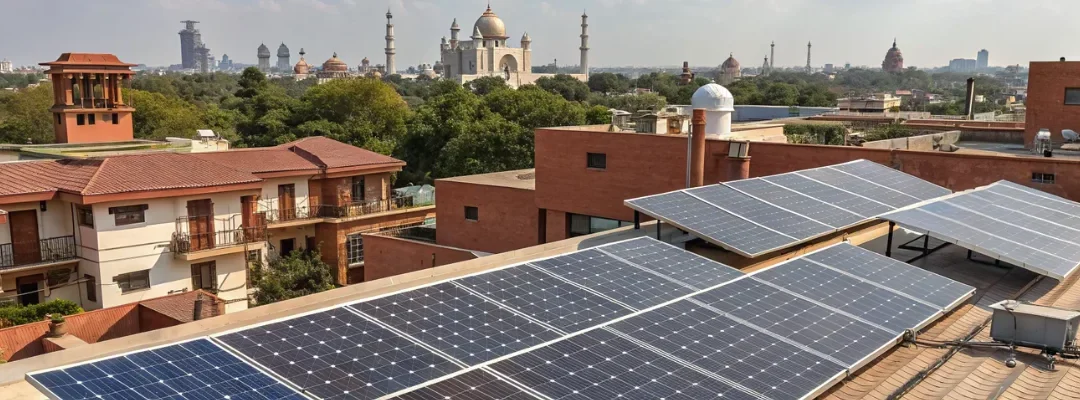
- Rooftop Solar Lag → Adoption below targets due to policy inconsistencies and low awareness.
Sectoral Breakdown: What Needs to Happen by 2030
Solar Power (Target: 280–300 GW)
- Scale up mega solar parks + promote rooftop and community solar for households and SMEs.
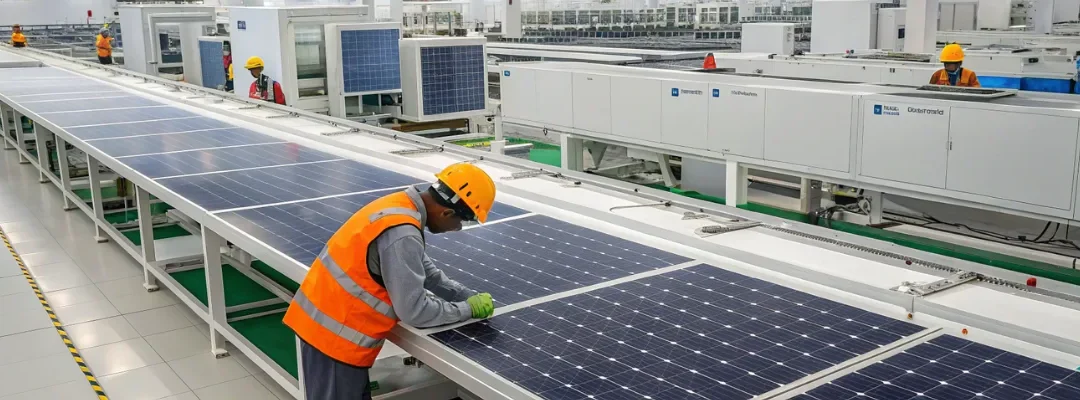
- Implement PLI (Production Linked Incentives) to boost domestic solar manufacturing.
- Provide financing + awareness for middle-class households.
Wind Power (Target: 140–150 GW)
- Revive stalled onshore wind projects.
- Invest in offshore wind, especially off Gujarat and Tamil Nadu coasts.
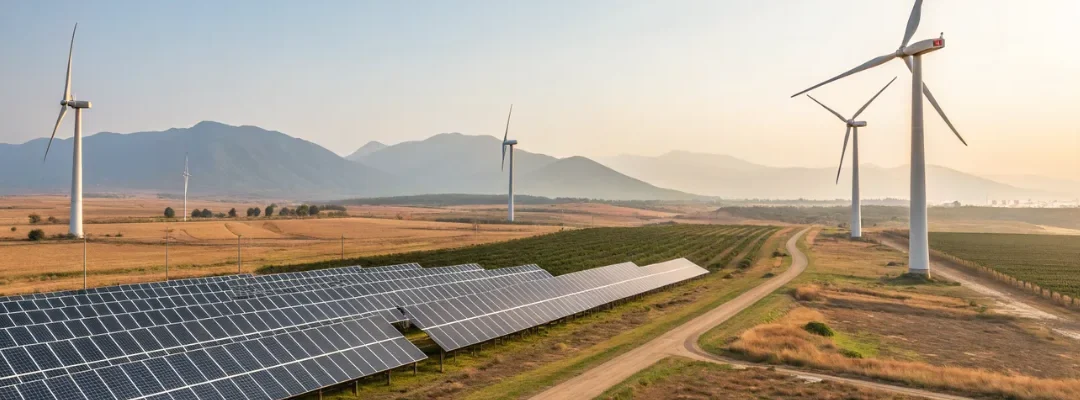
- Encourage hybrid projects (solar + wind + storage).
Hydro & Other Renewables (Target: 50+ GW)
- Expand small hydro, biomass, and waste-to-energy.
- Scale green hydrogen projects powered by renewables.
- Modernize older hydro plants to provide flexible peaking power.
Role of Digital & Policy Innovations
- Smart Grids & Storage → Smart meters, AI-based forecasting, and battery storage for grid stability.
- Green Open Access → Simplifying rules for industries to directly source renewable energy.
- Carbon Markets → Transparent REC (Renewable Energy Certificate) and carbon trading frameworks.
- Public Awareness → Promoting economic benefits: lower bills, job creation, cleaner air.
Can India Reach 500 GW by 2030?
Yes — but only if:
- Policies remain consistent across states.
- Approvals and land acquisition are streamlined.
- Grid infrastructure and storage are upgraded rapidly.
- Private + public financing flows without delay.
- Rooftop & housing society solar adoption scales up alongside utility projects.
Even if India reaches 450–480 GW by 2030, it would still mark a transformational shift, reducing fossil fuel dependence and cutting emissions intensity.
Benefits of Meeting the 500 GW Target
- Energy Security → Less reliance on imported coal and oil.
- Economic Growth → Lakhs of new jobs in manufacturing, EPC, and maintenance.
- Climate Leadership → Avoids hundreds of millions of tons of CO₂ annually.
- Global Standing → Establishes India as a clean energy superpower and investment hub.
Expert Insight
“India’s 500 GW target is aggressive but achievable. The world is watching — and India’s ability to combine solar, wind, storage, and hydrogen will define its global energy leadership.”
— Dr. Ramesh Iyer, Energy Policy Advisor
Planning solar?
Get a free site survey and subsidy guidance
Our engineers size the system to your bill and roof, handle the subsidy paperwork and install it end to end.
How do I start with Synergy Solar?
Request a free site survey. We check your roof and electricity bills, propose a system size and send a written quote with the subsidy and savings estimate.
Which areas do you serve?
We work across India from our Chennai head office and regional offices. See the locations page for city pages.
What does a solar system include?
Panels, inverter, mounting structure, cables, earthing, lightning protection and, for hybrid or off-grid systems, batteries — plus net-meter paperwork for on-grid systems.
Keep reading
Related articles
India’s Road to Energy Independence: How Solar Can Replace Oil & Coal
How Government IT Infrastructure is Speeding Up Solar Adoption in India
India vs Global Solar Adoption: Why Germany & Australia are Ahead, and How India Can Catch Up
Free site survey · Written quote
Planning solar? Get a free site survey
Share your monthly electricity bill and roof size. Our engineers size the system, explain the subsidy and send a written quote.