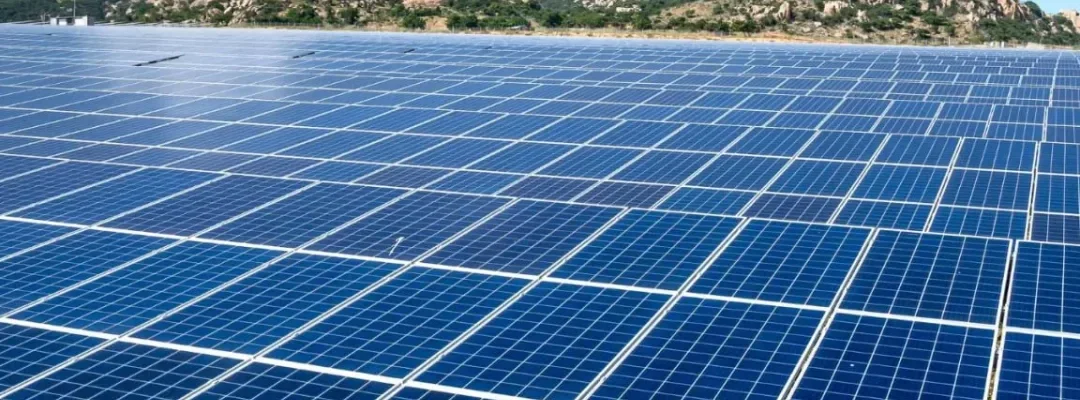
Step-by-Step: How Solar Park Land Aggregators Work with Developers and Investors
General
Step-by-Step: How Solar Park Land Aggregators Work with Developers and Investors
Introduction
Developing a solar park is not just about panels and power purchase agreements — it starts with land.
- Solar projects need hundreds or even thousands of acres.
- In India, this land is often fragmented, with multiple owners, unclear titles, and legal risks.
This is where land aggregators step in. They act as a bridge between landowners, developers, and investors, ensuring smooth land acquisition and project execution. In this blog, we’ll explain step-by-step how land aggregators work.
Step 1: Identifying Suitable Land
- Aggregators scout for land in areas with high solar radiation, good grid connectivity, and stable soil conditions.
- They check:
- Proximity to substations and transmission lines
- Flat terrain with minimal shadow
- Land use regulations (non-forest, non-disputed agricultural land)
Only suitable, risk-free land is shortlisted.
Step 2: Engaging with Landowners
- Most solar park land belongs to farmers or small landholders.
- Aggregators:
- Negotiate with each landowner.
- Offer outright purchase or long-term lease models.
- Ensure farmers get fair compensation or steady rental income.
This creates a win-win deal for both farmers and developers.
Step 3: Consolidating Land Parcels
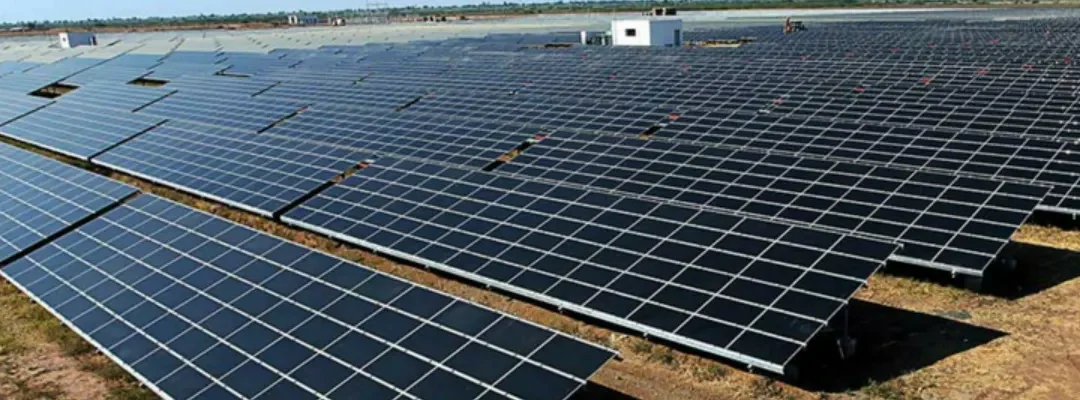
- Developers need large continuous blocks of land (100–500+ acres).
- Aggregators consolidate multiple small plots into one large parcel.
- They handle:
- Boundary surveys
- Plot demarcation
- Legal mapping
The end result: a ready-to-use, contiguous land parcel for solar projects.
Step 4: Legal Due Diligence
- Title checks, ownership verification, and clearance of disputes.
- Verification of:
- Encumbrances (mortgages/loans)
- Land records and mutation status
- Zoning compliance
This ensures the land is legally clean, giving confidence to developers and investors
Step 5: Structuring the Deal for Developers & Investors
- Based on project type, land can be offered as:
- Outright Sale → Developer owns the land.
- Lease Agreement → Developer leases land for 25–30 years.
- Joint Venture Models → Farmers or investors share revenue.
Aggregators design deals that reduce upfront burden for developers and give steady income to landowners.
Step 6: Facilitating Approvals & Grid Access
- Support in getting:
- Local authority NOCs
- Conversion of agricultural land (if needed)
- Transmission and grid connection approvals
Faster approvals mean fewer project delays.
Step 7: Handover to Developers & Investors
- Once land is clean, consolidated, and approved → it is handed over to developers.
- Investors benefit from:
- Lower project risk
- Faster project execution
- Improved ROI
Example: How an Aggregator Simplified a Project
- A developer needed 300 acres in Karnataka for a 60 MW solar park.
- The land was owned by 120 farmers with small plots.
- The aggregator negotiated with all owners, cleared disputes, and delivered a single consolidated parcel.
- Result: The project was commissioned 8 months faster, saving crores in delays.
Planning solar?
Get a free site survey and subsidy guidance
Our engineers size the system to your bill and roof, handle the subsidy paperwork and install it end to end.
How much land does a solar farm need?
Roughly 4–5 acres per MW for ground-mounted plants, depending on module type, layout and spacing.
How does a solar farm earn income?
By selling power under a PPA to a DISCOM or a business, through open access, or by captive use. Returns depend on tariff, location and financing.
What does Synergy handle for a solar farm?
Feasibility, land and approvals support, design, EPC installation, commissioning and O&M.
Keep reading
Related articles
Tamil Nadu Budget 2026: ₹1 Lakh Rooftop Solar Subsidy Under PM Surya Ghar
Why Solar Insurance Is Essential for Protecting Your Investment
Top Benefits of Solar Insurance for Homes and Businesses
Free site survey · Written quote
Planning solar? Get a free site survey
Share your monthly electricity bill and roof size. Our engineers size the system, explain the subsidy and send a written quote.